

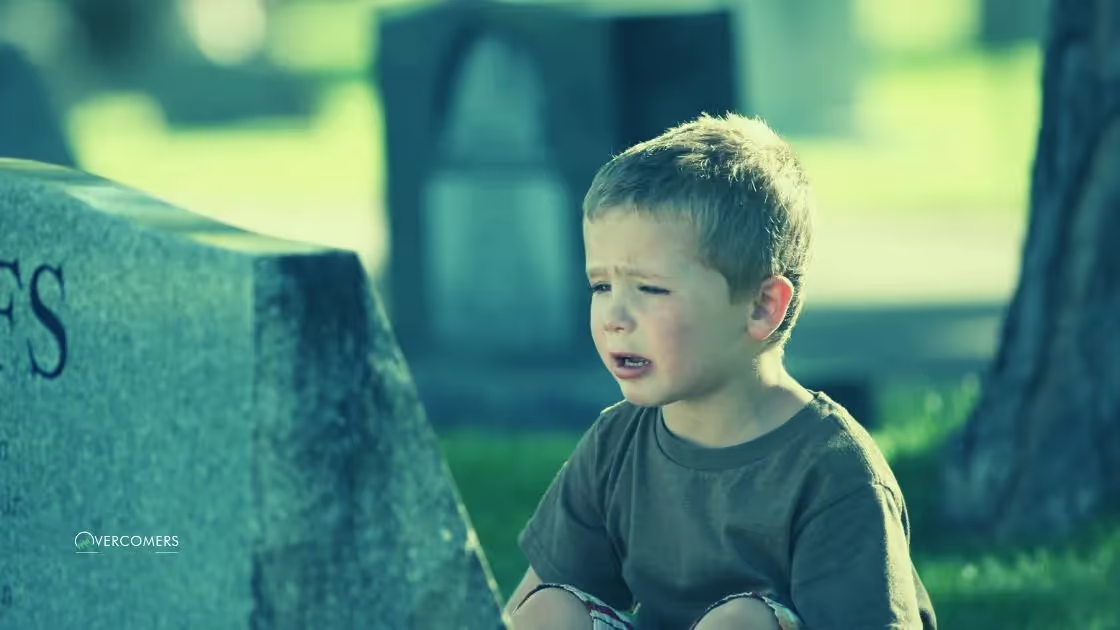
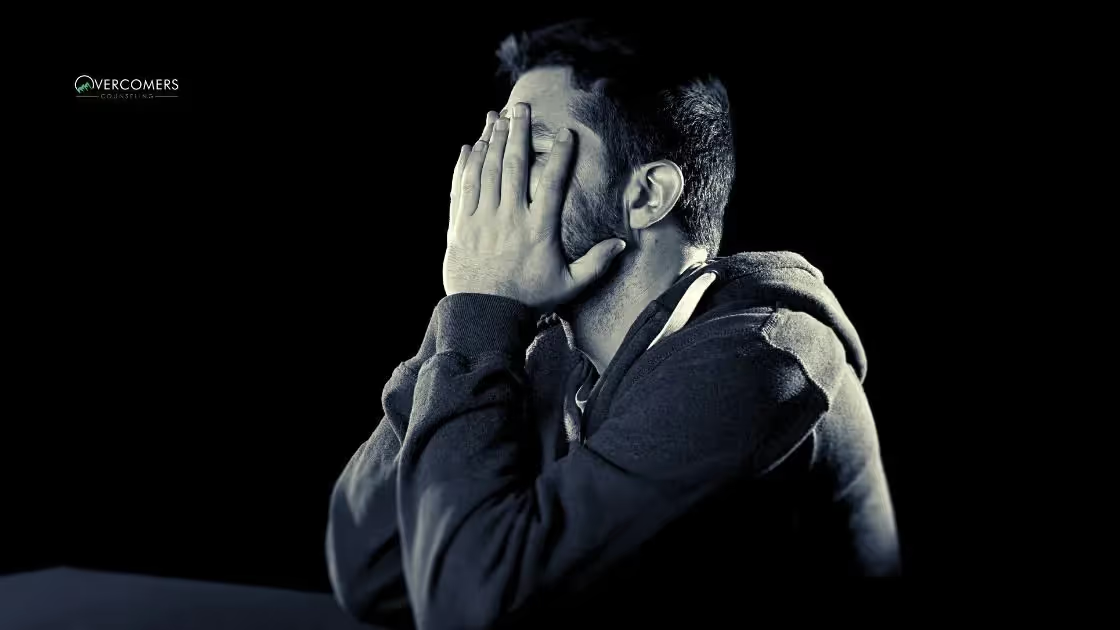
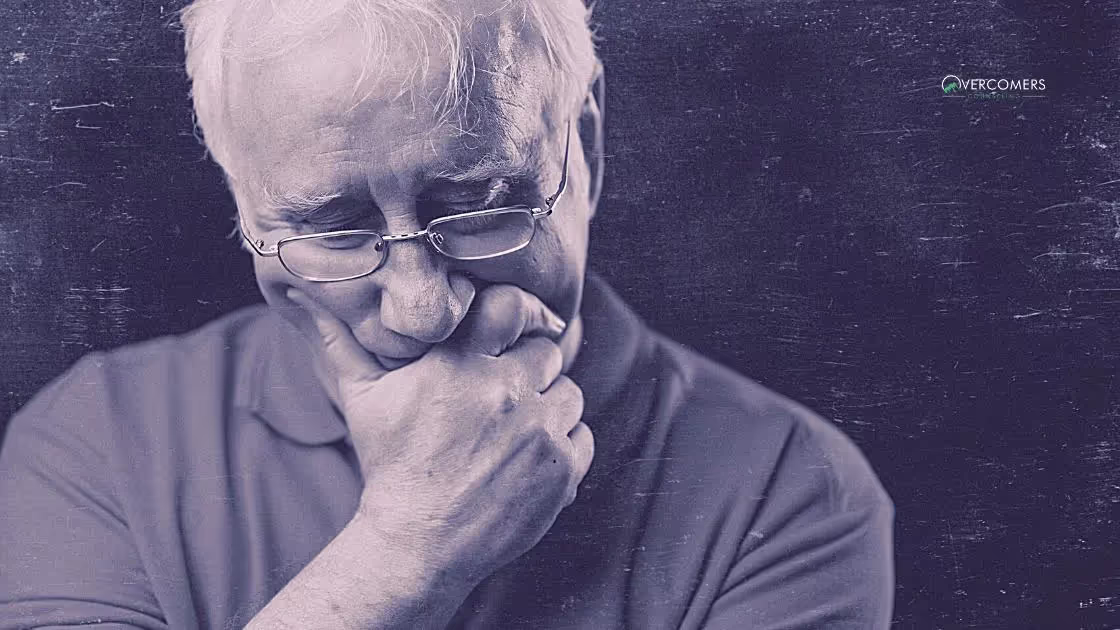
Grief is a natural response to loss, but it can be overwhelming. It may lead to depression, anxiety, and sleep issues. Grief therapy offers support and guidance, helping you find healthy coping mechanisms and a renewed sense of purpose. Consider seeking help from a qualified therapist.
Book a SessionSome signs that you may be ready to move on include feeling at peace with the breakup, no longer regularly thinking about your ex, and having a renewed sense of optimism. Ultimately, only you can decide when you're ready to start dating again or take other steps toward moving on.
There are a few things you can do to help ease your pain during the holiday season. First, try to avoid triggers that may cause you to feel sad or upset. Triggers can be anything from certain songs or smells, to seeing certain people or places. If you know there will be triggers at holiday gatherings, try to arrive late or leave early if possible. You can also try to create new traditions that don't involve the triggers.
It is completely normal to feel dread or even fear when thinking about the upcoming holiday season. One way to ease your anxiety is by planning ahead and being prepared for how you will deal with tough moments. If there are certain events you know will be difficult, try to come up with an exit strategy beforehand so you can leave if needed. It can also be helpful to talk to a therapist or counselor before the holidays to help you manage your expectations and emotions.
It's important to remember that you are allowed to grieve however you need to, and that doesn't mean you have to ruin the holidays for everyone else. If you need to take a break from holiday festivities, do so. Go for a walk, take a nap, watch a movie—whatever you need to do to take care of yourself. You can also try talking to your family about your grief ahead of time and asking for their understanding and support.
There are many ways you can honor your loved one's memory during the holidays. You could decorate in their favorite colors, play their favorite music, make their favorite food, or even just talk about them often throughout the holiday season. You could also create a new tradition in their memory, such as planting a tree or making a donation in their name.
Yes. Grief does not follow a timeline, and unresolved grief can resurface months or even years later. Grief counseling can help you process lingering emotions, make sense of your loss, and develop healthy coping strategies—no matter how much time has passed. Many people seek grief and loss counseling when they realize their grief is still affecting their daily life, relationships, or sense of peace.
Grief counseling and bereavement counseling are closely related and often used interchangeably. Both focus on helping individuals process loss and navigate the grieving process. Bereavement counseling typically refers specifically to grief after the death of a loved one, while grief counseling can also address other losses, such as divorce, miscarriage, loss of identity, or major life changes. A grief therapist will tailor support based on your unique experience and needs.
Grief can feel like a huge, overwhelming wave that just won't go away. The goal of counseling isn’t to make the wave disappear, but to teach you how to surf it. Grief counseling focuses on helping you move through the grieving process in a healthy, supported way—without pressure or judgment.
We work together to help you process your emotions, understand the stages of grief, and find a way to honor your loved one while still living your own life. Through grief therapy and bereavement counseling, many people find renewed stability and meaning, even after profound loss.
Grief is a deeply personal journey, and there’s no right or wrong way to do it. It’s a bit like a fingerprint—it's unique to you. You might feel a mix of sadness, anger, guilt, or even relief, and that's all okay. Grief and loss can affect emotions, sleep, focus, and even physical health—and all of these responses are valid.
There's no timeline or checklist for grief, and we want you to know that whatever you're feeling is valid. We provide a safe, non-judgmental space for you to process your emotions. Some people also benefit from grief support groups or additional supportive services alongside individual counseling.
After a loss, it can feel like your whole world has been turned upside down. Counseling helps you find your footing again. Grief counselors help you develop coping strategies, express emotions safely, and rebuild a sense of purpose at your own pace. We believe that healing is possible and that you can find a way to live a full and meaningful life, even in the midst of your pain.

Healing sometimes requires vulnerability, and vulnerability requires an act of courage.

"What we do is more important than what we say or what we say we believe." - bell hooks
.avif)
Healing is not becoming the person you were before, but becoming who you are meant to be now.”

“The curious paradox is that when I accept myself just as I am, then I can change.” - Carl R. Rogers

Taking the first step is always the hardest, but it’s the one that sets everything else in motion.

What challenges will you overcome in your journey? Whether it's pushing past current fears or trauma, reaching new goals, or finding your true potential, the possibilities are endless.

Therapy is about having a good "fit" between you and your therapist. It’s important to feel comfortable, understood, and supported in order to make real progress.

"There is hope even when your brain tells you there isn't" - John Green

Don't give up what you want the most for what you want now.

"Although the world is full of suffering, it is also full of the overcoming of it." Helen Keller


.avif)






.avif)































.avif)












.avif)




















.avif)









![5 Stages of Grief in Order - [Examples and How to Cope]](https://cdn.prod.website-files.com/6712a04647a508f72a811be7/67cb56fbd92d1f4d7235a299_678cf647a3ca26bcb4f0bc3a_b2ap3_large_Untitled-design---2023-11-11T164951.891.avif)





.avif)





.avif)
