

Grief is a natural response to loss, but it can be overwhelming. It may lead to depression, anxiety, and sleep issues. Grief therapy offers support and guidance, helping you find healthy coping mechanisms and a renewed sense of purpose. Consider seeking help from a qualified therapist.
Book a SessionGrief can be particularly intense in the early days following a loss. However, it's not uncommon for grief to become more pronounced at certain times, like at night or in the morning. This can be due to the mind being busy processing the events that happened.
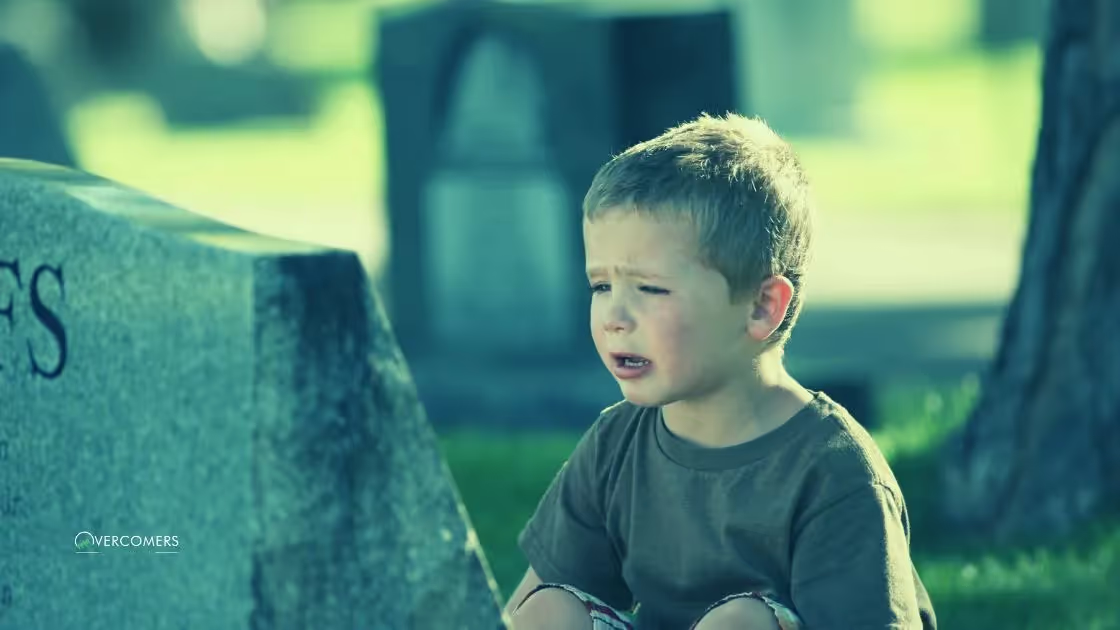
Dealing with grief involves allowing yourself to experience grief, seeking support from family members or a mental health professional, and taking care of your physical health. It's also important to remember that everyone grieves differently and there's no "right" way to grieve.
Complicated grief, also known as prolonged grief disorder, is when intense grief symptoms continue for an extended period, often longer than six months. This type of grief can result in difficulty resuming normal life activities and can lead to sleep problems.
Grief can seem worse in the morning as the reality of the loss is often one of the first thoughts upon waking. This can be particularly true if you shared many mornings with the person who has passed away during wonderful years spent together.
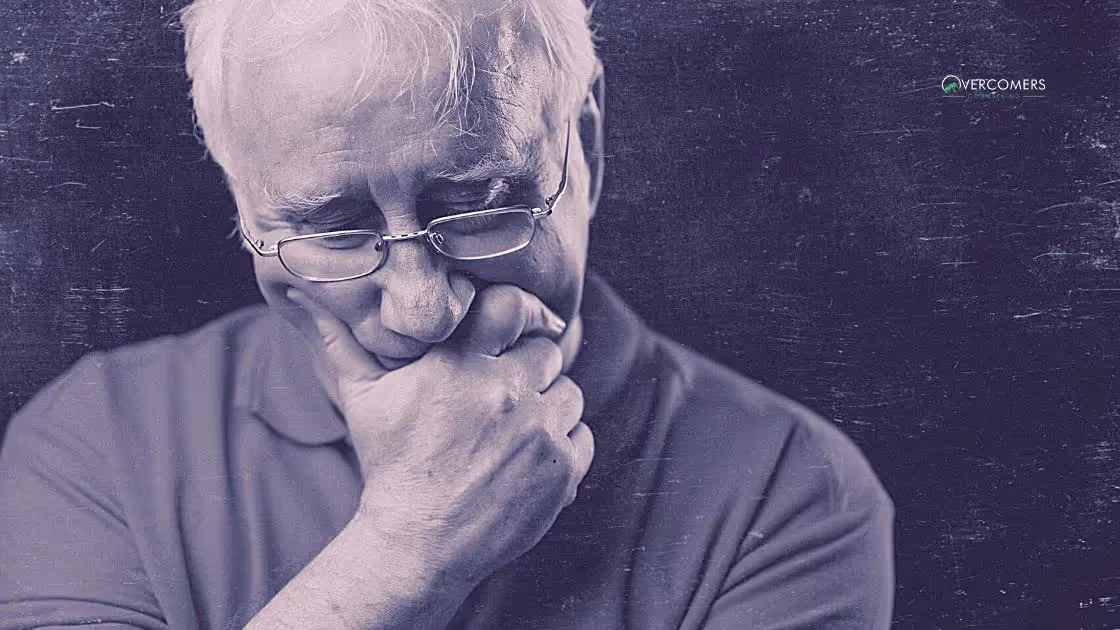
There are a variety of symptoms that can be associated with grief in the elderly. Some common physical symptoms include fatigue, changes in appetite, and difficulty sleeping. Emotional symptoms can include sadness, anger, anxiety, and guilt. It's also common for those who are grieving to withdraw from social activities and lose interest in hobbies or activities they once enjoyed.
There is no "right" or "wrong" answer when it comes to how long grief will last in the elderly. For some people, the grieving process may last for several months or even years. For others, it may come in waves – they may have periods of intense grief followed by periods of relative calm. It's important to remember that everyone grieves in their own way and at their own pace.
It can be difficult to know what to say to someone who is grieving, but sometimes simply being there for them and offering your support can be helpful. You might try saying something like, "I'm here for you if you need to talk" or "I'm sorry for your loss." You could also offer to help with practical tasks such as running errands or cooking meals.
There are a few things you should avoid saying to someone who is grieving, as they can come across as insensitive or unhelpful. For example, don't tell them that it's "time to move on" or that they "should be over it by now." It's also best not to make any assumptions about how they're feeling or what they need – instead, ask them directly how you can help.
There is no set timeline for overcoming a breakup. Everyone deals with grief in their own way and on their own time. While some may be able to move forward quickly, others may take longer. Remember that it's normal to experience a range of emotions as you heal and don't rush the process.
There are many healthy ways to cope with the pain of a breakup. Some strategies include engaging in self-care activities, writing in a journal, reaching out to loved ones for support, and reframing your perspective. Additionally, seeking professional help can be an important step toward healing after a breakup.

I have witnessed the magic of therapy and the unwavering resilience of humans.

Hearing that you're loved and that you're enough has the power to replace the negative voices with the feeling of belonging and being worthy of happiness, laughter, and love.

It is important to me that you feel comfortable in every way, whether it’s sharing your thoughts, asking questions, or simply being yourself.

“Not everything needs to be in full bloom to be meaningful. Growth often looks like stillness.”

“Don’t cry because it’s over, smile because it happened.” - Dr. Seuss

"But part of getting to know yourself is to unknow yourself—to let go of the limiting stories you've told yourself about who you are so that you aren't trapped by them." — Lori Gottlieb

Together, we’ll take every step of your journey, side by side, through every twist and turn ahead.

.avif)
Healing is not becoming the person you were before, but becoming who you are meant to be now.”

Feeling overwhelmed and hopeless, unsure of where to start or how to move forward?


.avif)






.avif)
































.avif)












.avif)




















.avif)









![5 Stages of Grief in Order - [Examples and How to Cope]](https://cdn.prod.website-files.com/6712a04647a508f72a811be7/67cb56fbd92d1f4d7235a299_678cf647a3ca26bcb4f0bc3a_b2ap3_large_Untitled-design---2023-11-11T164951.891.avif)





.avif)





.avif)
