
Addiction is a harmful dependency affecting substances and behaviors, disrupting health, relationships, and mental well-being. Breaking free requires courage, support, and professional help. With determination, individuals can rebuild their lives and achieve lasting recovery.
Book a SessionSome common signs of alcohol abuse include drinking more than intended, neglecting responsibilities, and continuing to drink despite negative consequences
Alcohol abuse is a pattern of drinking that leads to problems in one's personal, professional, or social life.
Alcoholism refers to a disease that is characterized by a strong craving for alcohol and an inability to control one's drinking.
If you think you might be struggling with alcohol abuse, the first step is to talk to your doctor. Your doctor can help you assess your drinking habits and recommend treatment options. There are also many different types of treatment programs available for alcohol abuse, so you can find one that fits your needs and circumstances. Additionally, support groups can be a valuable resource for anyone struggling with alcohol abuse. These groups provide a safe space to share your experiences and connect with others who are facing similar challenges.
Yes, alcohol abuse is a treatable condition. However, it often requires professional treatment to overcome. With the right support, though, anyone can overcome alcohol abuse and regain control of their life. It's important to reach out for help if you or someone you know is struggling. With the right treatment, anyone can overcome alcohol abuse and regain control of their life.
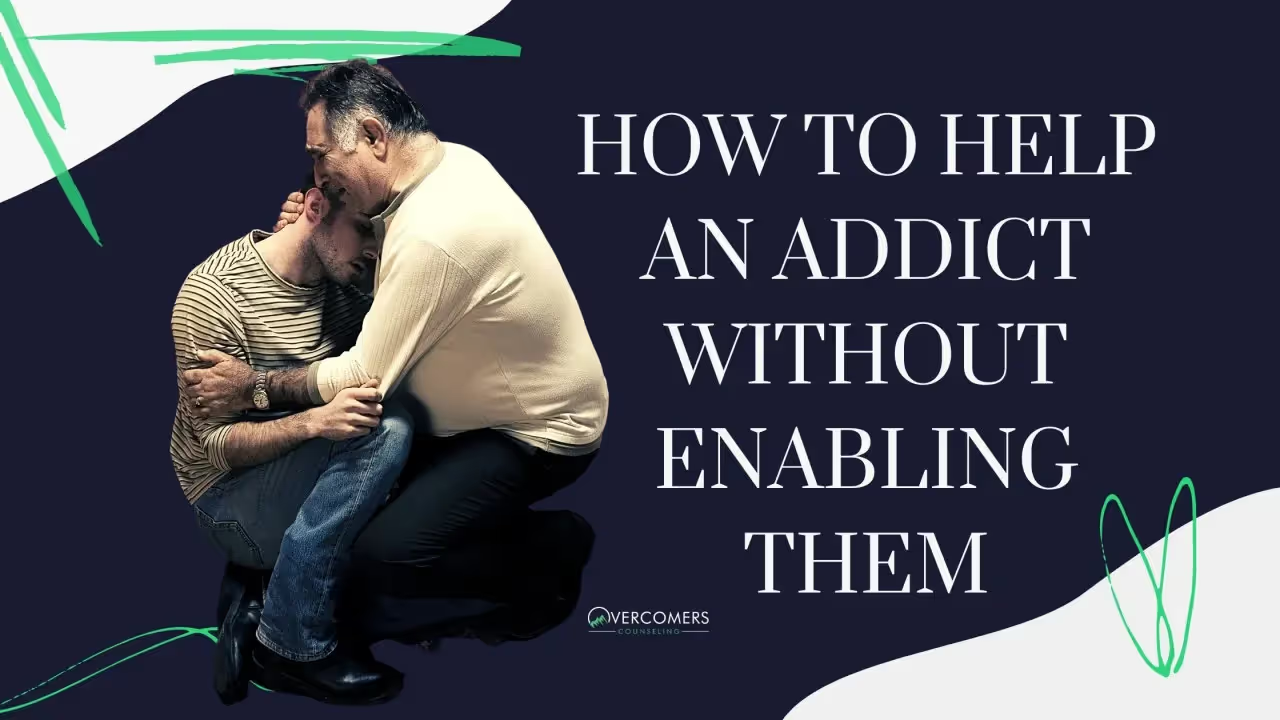
The best way to help an addict without enabling them is by setting boundaries and getting help for yourself. It is important to remember that you cannot control the addict's behavior, but you can offer support and understanding. With time and patience, you can help your loved one recover from addiction.
Some resources for family members of addicts include therapy, counseling, 12-step programs, and other support groups. It is important to seek out these resources to get the tools you need to deal with your loved one's addiction. You can also find help for yourself through these resources.
Treatment for alcohol abuse often includes counseling, support groups, and medication. With the right help, your spouse can recover from alcoholism and go on to lead a healthy and happy life.
Staying sober is not a one-time thing; it’s a long-term commitment. Counseling helps you build a strong foundation for your recovery, like reinforcing the base of a house. We’ll help you develop skills to manage cravings, avoid relapse triggers, and navigate the daily stresses of life without turning to drugs. We’ll also help you create a network of support so you can continue to feel seen and heard on your journey. We believe in your capacity to lead a life of lasting recovery.
Sometimes, telling the difference between alcohol abuse and alcoholism can feel like looking at two seemingly similar roads. Alcohol abuse is the detour—a pattern of drinking that causes problems in your life, like missing work or making poor decisions. Alcoholism, now known as alcohol use disorder, is more like a new, unwanted destination. It's a chronic disease where drinking becomes a compulsive need you feel you can't control, with a physical and psychological dependence. We can work together to help you find your way back to your intended path.

Being able to feel safe with other people is probably the single most important aspect of mental health; safe connections are fundamental to meaningful and satisfying lives.

I understand that seeking therapy can feel like a significant step, and I want to meet you where you are. With over three years of experience, my goal is to create a supportive, non-judgmental space w

Thank you for taking the time to review my profile. Reaching out for help can be daunting and I applaud you for taking this initial step toward living a more rewarding life.

Every story is woven with meaningful threads—culture, heritage, courage, pain, and resilience. Life’s challenges often require bravery to face discomfort, curiosity to explore your inner world, and compassion to heal what has been hurt.

I believe therapy should feel like a safe space to land—a place where you can show up exactly as you are and feel seen, heard, and supported.


I have extensive experience helping people heal from difficult life experiences and trauma. Whether you’re dealing with childhood wounds, relationship trauma, or painful experiences.

Working in this field has allowed me to truly appreciate the significance of mental health stability, particularly during difficult life transitions.

While therapy can feel intimidating or uncomfortable, it is my priority to create a safe environment where clients can feel authentically themselves.

Hello! I want my clients to feel empowered by their mental health journey to learn to love themselves and those around them. I would be honored to walk alongside you!