
Learn how cognitive behavioral therapy (CBT) and other resources can help manage ADHD symptoms effectively. Explore strategies for better control.
Book a SessionUntreated ADHD in women can lead to low self-esteem, mood swings, and difficulty focusing. It can also increase the risk of eating disorders, substance abuse, and other mental health issues.
Women with high functioning ADHD may appear to manage their symptoms well but still struggle internally. They may have successful careers but struggle with time management, organization, and maintaining social relationships.
Inattentive type ADHD is characterized by difficulty paying attention, forgetfulness, and disorganization. Women with this type of ADHD may struggle with completing tasks, following instructions, and maintaining focus.
While not listed as a core symptom in the Diagnostic and Statistical Manual, research suggests that emotional dysregulation is a common and impactful aspect of ADHD.
Yes, both children and adults with ADHD can experience emotional dysregulation. However, the manifestations may differ, with adults often having more complex processes and coping mechanisms.
While not listed as a core symptom in the Diagnostic and Statistical Manual, research suggests that emotional dysregulation is a common and impactful aspect of ADHD.
No. We DO offer counseling (talk therapy) or medication management for individuals with ADHD or ADHD type symptoms. If you are looking for a formal evaluation involving extensive testing, you will need to seek a Psychologist.
Yes, online therapy can be just as effective as in-person counseling for ADHD. Many adults prefer virtual sessions because they reduce stress, save time, and allow for more consistency—especially if staying organized and on schedule is a challenge.
Yes. ADHD can affect communication, emotional regulation, and follow-through, which can strain relationships. An ADHD counselor can help you develop skills to improve communication, manage conflicts, and build healthier relationship dynamics.
Absolutely. Many adults seek an ADHD therapist specifically to improve executive functioning skills like time management, task initiation, prioritizing, and reducing procrastination. Therapy can help you build systems that support sustained success at work.
ADHD: the brain’s way of saying “too many tabs open.” It’s a neurodevelopmental condition that makes focusing tricky, impulsivity inevitable, and hyperactivity a constant. Many adults don’t even realize they have it, but untreated ADHD can mess with emotional balance, self-esteem, and big life changes like new jobs.
The good news? With the right treatment, you can close a few tabs and regain control.
I’m dedicated to creating a warm, supportive space where clients feel valued and empowered as they navigate healing and self-discovery.
We all need support, someone to listen to us with an open and nonjudgmental mind, someone to assist us in reorganizing our thoughts.

I have an eclectic therapeutic approach that has been developed by my 14+ years of therapeutic experience, trainings/practice and my own personal experience.

Hi, I’m Miranda Puente, LSW, a licensed social worker based in Pueblo, Colorado. I offer both in-person and telehealth therapy services.
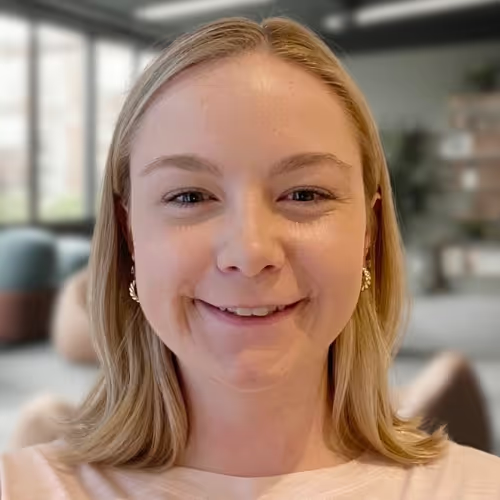
Hello and welcome to your healing journey! My name is Anna, and I am a licensed social worker with 6 years of experience in mental health.

One of the most profound forms of self-love is the decision we make that we are worthy of being fully heard and seen.

Every story is woven with meaningful threads—culture, heritage, courage, pain, and resilience. Life’s challenges often require bravery to face discomfort, curiosity to explore your inner world, and compassion to heal what has been hurt.

Life is full of unexpected challenges that can be overwhelming and terrifying. Facing them alone can be even worse. I hope to confront them with you and provide the space and support you need to heal.

I believe everyone has unique value. Together, we'll create a safe space to achieve your goals with compassion and self-empowerment.

Evidence-based care that's accessible and inclusive to all! My approach is collaborative and tailored to each individual's unique needs and goals, and I always strive to create a safe and non-judgment