

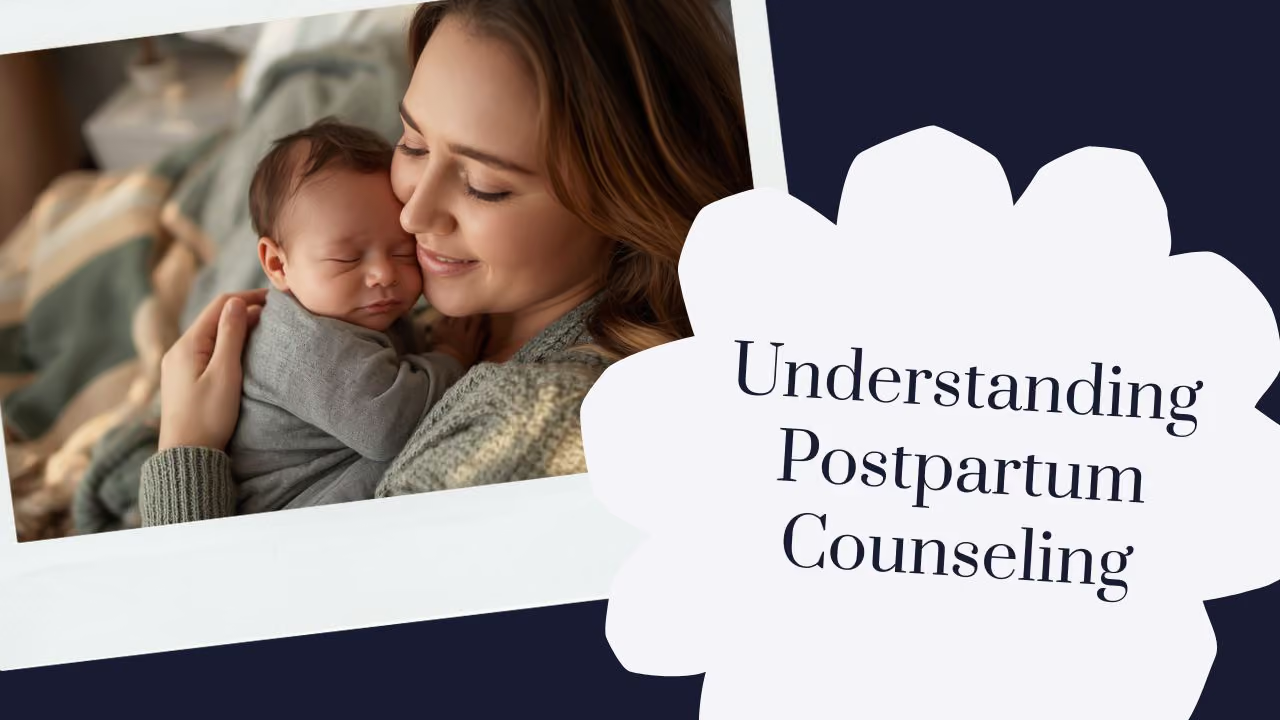
Learn about postpartum depression, its signs, and the importance of early support. Discover how therapy and care can help mothers heal and embrace motherhood.
Book a SessionPostpartum depression usually arises from a mix of factors rather than a single cause: the sudden drop in hormones like estrogen and progesterone after childbirth, a personal history of depression or other mental-health conditions, and major life stressors. Physical and emotional exhaustion from childbirth and caring for a newborn, chronic sleep deprivation, and limited support from a partner, family, or friends can all increase the risk. Overcomers Counseling provides compassionate, practical care to help new parents understand these contributors and find steady, evidence-based support as they recover.
Pregnancy is a beautiful and transformative journey, but it’s also a time of significant change. The goal of counseling during pregnancy isn't to fix anything. It’s to provide you with a safe space to process the emotional and physical changes that are happening to your body and your life. We can help you manage anxiety about the future, process past trauma, and find a sense of peace and calm so you can enjoy your pregnancy and feel ready for the next chapter.
Postpartum depression can feel like a sudden, dark cloud that appears after the baby arrives, and it's a lot more than just the baby blues. Counseling helps you navigate this difficult time with support and care. We'll help you understand your feelings, find ways to cope with stress, and develop a plan to get you back on your feet. You are not a bad mom for feeling this way. You are a human being who needs help. We are here for you.
Having a baby can put a significant strain on a relationship. It's a journey that can feel like you're both in separate boats, just trying to stay afloat. Counseling helps you get back into the same boat. We'll help you communicate more effectively, support each other’s unique coping styles, and find a way to navigate this new chapter as a united team. We believe in your capacity to weather this storm together and emerge stronger on the other side.
Pregnancy is a beautiful journey, but it comes with a lot of emotional baggage. You may feel a mix of excitement, fear, and anxiety. It's normal to feel overwhelmed. Counseling provides a safe space for you to process your feelings without judgment. We'll help you understand what's going on with your mind and body, so you can make informed decisions. We believe in your capacity to navigate this new chapter with grace and confidence.
Postpartum depression can look different for everyone, but common signs include persistent sadness or hopelessness, difficulty bonding with your baby, changes in sleep or appetite that go beyond normal newborn exhaustion, irritability, and feelings of guilt or inadequacy. These feelings can appear anytime within the first year after birth. If what you're experiencing feels persistent or overwhelming, it may be worth talking with a therapist.
The baby blues are common in the first two weeks after birth and typically fade on their own. Postpartum depression tends to last longer, feel more intense, and can interfere with daily functioning and bonding with your baby. If your symptoms persist beyond a couple of weeks or feel like they're getting worse, postpartum depression counseling can help you understand what you're experiencing and find support.
Yes. Postpartum depression can develop anytime within the first year after childbirth, not only in the first few weeks. Some parents don't notice symptoms until they've returned to work, weaned from breastfeeding, or faced a new stressor. Reaching out for support is appropriate whenever these feelings show up.
Overcomers Counseling accepts Medicaid and most major insurance plans, including Aetna, Cigna, UnitedHealthcare, Kaiser, Anthem BCBS, and Tricare. Coverage details vary by plan, so we recommend verifying your specific benefits, and our team can help you understand your options.
These thoughts can be a sign of a more serious condition, such as postpartum depression with intrusive thoughts or postpartum psychosis, and they require immediate attention. Please call or text 988 to reach the Suicide & Crisis Lifeline, or go to your nearest emergency room right away. Overcomers Counseling provides ongoing therapeutic support, but we are not equipped to respond to a crisis in progress.

Working in this field has allowed me to truly appreciate the significance of mental health stability, particularly during difficult life transitions.

Hello, my name is Macie, and I am a Licensed Professional Counselor Candidate with 12 years in the behavioral health field.

I am a board-certified Psychiatric Mental Health Nurse Practitioner who provides individualized and evidence-based care!

I have an eclectic therapeutic approach that has been developed by my 14+ years of therapeutic experience, trainings/practice and my own personal experience.

Hello, I’m Sarah, and I am a Mental Health Therapist providing clinical counseling to individuals with various mental health-related concerns.
.avif)
We all need a space to express ourselves, to feel seen, heard, and validated without judgment. I’m passionate about providing that environment and helping others grow into their best selves.

As an emerging therapist, I specialize in helping individuals navigate through grief, PTSD, anxiety, depression, and life transitions.

Being able to feel safe with other people is probably the single most important aspect of mental health; safe connections are fundamental to meaningful and satisfying lives.

I am passionate about providing care to diverse populations, ensuring inclusivity and support for individuals from all backgrounds.

Meet Amanda Hayes, LPCC, a Colorado therapist specializing in burnout, people-pleasing, and codependency. Book a session at Overcomers Counseling.








.avif)