

Grief is a natural response to loss, but it can be overwhelming. It may lead to depression, anxiety, and sleep issues. Grief therapy offers support and guidance, helping you find healthy coping mechanisms and a renewed sense of purpose. Consider seeking help from a qualified therapist.
Book a SessionDealing with someone who is addicted to drugs or alcohol can be difficult. It is important to remember that addiction is a disease, and the addict is not responsible for their behavior. You can offer support and understanding, but it is important to set boundaries. You can also get help for yourself through therapy or counseling.
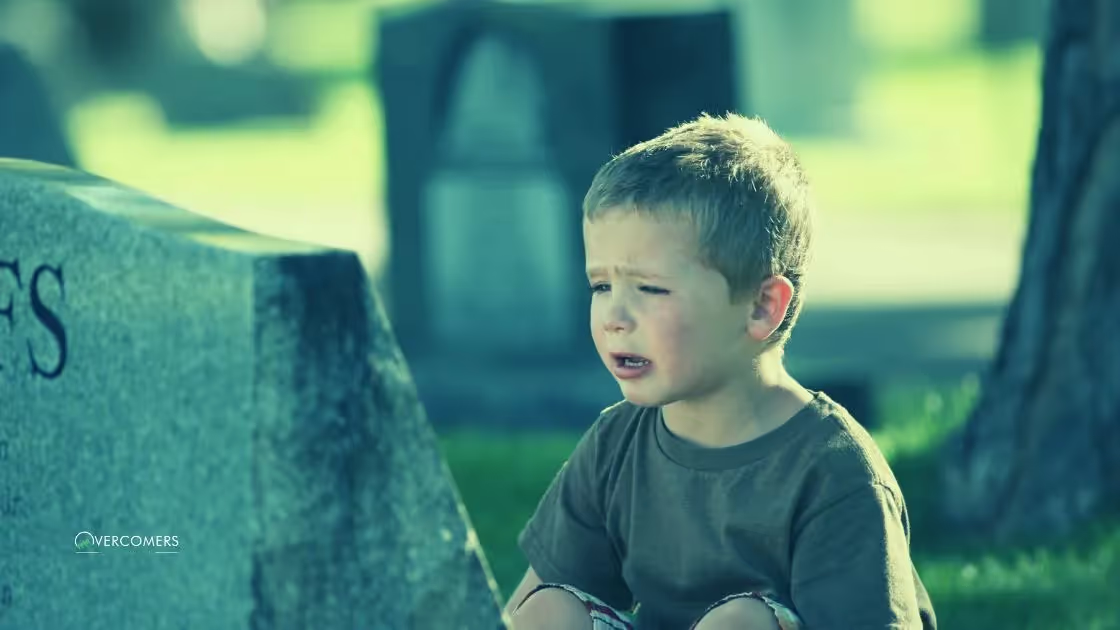
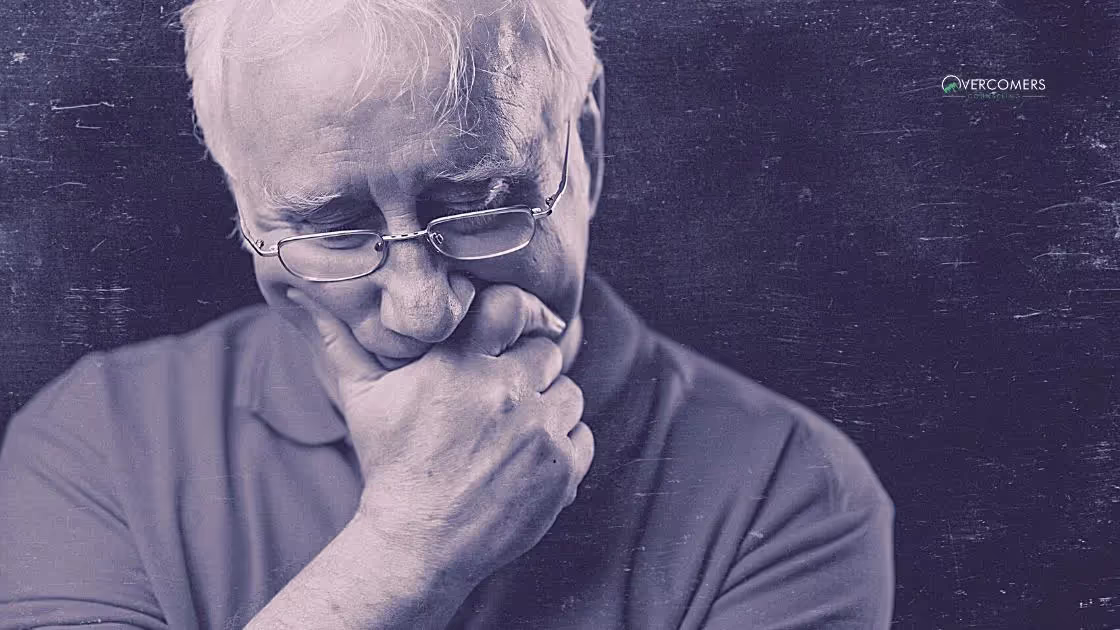
Addressing grief is crucial because unresolved grief can significantly impact your quality of life, overall well-being, and ability to function in daily activities. Left unaddressed, grief can lead to more severe mental health issues, such as depression, anxiety, and complicated grief.
Ignoring grief can exacerbate symptoms and make it more challenging to manage over time. This can result in a negative impact on your personal, professional, and social life, leading to feelings of isolation, chronic sadness, and even physical health complications.
The duration of grief counseling varies for each individual, depending on the severity of their grief and their progress in therapy. Our therapists will regularly assess your progress and adjust your treatment plan as needed.
We offer a variety of specialized services, including individual therapy, group therapy, and various therapeutic approaches such as cognitive-behavioral therapy (CBT) or psychodynamic therapy.
Yes, we provide supportive counseling for family members who are struggling with the loss of a loved one. Our compassionate therapists can help you gain insight into your feelings and provide constructive strategies to cope with the pain of bereavement.
If you find yourself having difficulty managing daily activities due to lingering feelings associated with grief such as sadness, anger, guilt or numbness; then it might be beneficial for you to seek professional help through our Colorado Springs Grief Counseling services. Our therapists are trained in helping clients identify their needs and goals related to grieving.
It is not mandatory that all conversations revolve around the issue causing your grief but our therapists will provide guidance on how best to process the situation. You are in control of how much or little you want to share in a session, but it is important to stay open and honest with your therapist for optimal results.
The stages of grief, according to the Kübler-Ross model, include denial, anger, bargaining, depression, and acceptance. However, it's important to note that not everyone will experience all these stages, or in this order. Grief is a highly individual process.
Grief may feel worse at night because sleep disturbances are common during the grieving process. As nighttime falls, distractions diminish and we're left alone with our thoughts, which can make the loss feel overwhelming.


"You may not control all the events that happen to you, but you can decide not to be reduced by them." - Maya Angelou

My goal is to empower you to reconnect with your authentic self, navigate life's challenges, and cultivate a life of meaning and purpose.


“Mental health care is not one-size-fits-all. I believe in evidence-based treatment, meaningful connection, and empowering each person to become an active partner in their healing.”

To invent your own life's meaning is not easy, but it's allowed, and I think you'll be happier for the trouble. - Bill Watterson

Victory awaits on the other side—keep pushing forward to reach your goals!

You deserve to feel heard, understood, and genuinely supported as you navigate life's challenges. You don't have to go through it alone.

I strongly believe in the importance of the "therapeutic relationship" and the role it plays in fostering growth and healing.

“Not everything needs to be in full bloom to be meaningful. Growth often looks like stillness.”


.avif)






.avif)
































.avif)












.avif)




















.avif)









![5 Stages of Grief in Order - [Examples and How to Cope]](https://cdn.prod.website-files.com/6712a04647a508f72a811be7/67cb56fbd92d1f4d7235a299_678cf647a3ca26bcb4f0bc3a_b2ap3_large_Untitled-design---2023-11-11T164951.891.avif)





.avif)





.avif)
