
Discover Christian-based therapy, combining faith principles with healing techniques like prayer and mentoring to promote spiritual growth and hope.
Book a SessionNo, standing up for oneself does not conflict with Christian humility. Humility involves recognizing our dependence on God and others, not devaluing ourselves. It's possible to maintain humility while asserting our dignity and rights.
The teaching of turning the other cheek is about responding to evil with good, not avoiding conflict. It encourages non-retaliation and forgiveness. However, it doesn't mean allowing persistent injustice or abuse.
The Bible encourages us to speak the truth in love (Ephesians 4:15). This means expressing our feelings and needs honestly but respectfully, without resorting to harmful words or actions. Prayer, wisdom, and guidance from the Holy Spirit are also crucial in such situations.
Jesus reminded His followers that they might face persecution for standing up for righteousness (Matthew 5:10-12). But He also promised blessings and rewards for those who endure. Therefore, do not fear standing up for what is right, even in the face of adversity.
Start by understanding your worth as God's creation. Then, strive to maintain your integrity, express yourself honestly and respectfully, forgive and respond to evil with good, and rely on God's strength and wisdom in conflicts. These principles can guide you in various situations—whether at work, school, home, or in your community.
Navigating faith issues can feel like a spiritual compass that has lost its direction, leaving you feeling lost and unsure. The goal of counseling isn’t to tell you what to believe, but to help you find your way back to a sense of purpose and peace. We’ll provide a safe space for you to ask difficult questions, process feelings of doubt or religious trauma, and rediscover a sense of self-worth. We believe you can find a path that is authentic and meaningful to you.
Yes. Religious trauma is a serious issue that can have a significant impact on your mental health. It can feel like your faith, which was meant to be a source of comfort, has become a source of pain. Counseling provides a safe space for you to process the past, understand how it is impacting your present, and find a sense of healing. We'll help you rebuild your life on a foundation that feels authentic to you, so you can find a sense of peace.
Questioning your faith is a deeply personal and often isolating journey. It can feel like you are walking on a shaky bridge. Counseling provides a space where you can explore your doubts and fears without judgment. We can help you understand the root of your questions and find ways to navigate them with grace and courage. You are not a bad person for having doubts; you are a human being on a journey to find your truth.
Faith issues are about your personal relationship with a higher power or a spiritual path. Religious issues are about your experience within a specific institution or community. It’s a subtle but important distinction. Both are valid and can be difficult to navigate. We can help you understand your unique experience, whether you are struggling with a past religious institution or with your own personal beliefs. We can help you find a sense of peace and wholeness.
Your first session is a chance to share what's bringing you to counseling and get matched with a Christian counselor whose approach and specialties fit your needs. There's no pressure to have the right words — just a willingness to start the conversation.

I love helping individuals unravel their story, take a closer look, and rewrite a narrative that feels true for them.

Evidence-based care that's accessible and inclusive to all! My approach is collaborative and tailored to each individual's unique needs and goals, and I always strive to create a safe and non-judgment
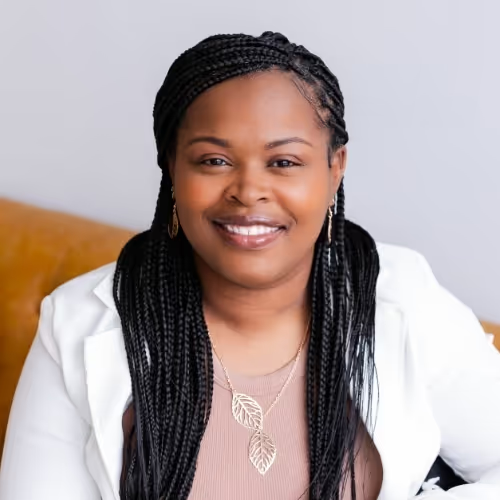
Everyone deserves access to counseling and support. I bring empathy, a trauma-informed approach, and cultural humility to help others heal and grow.
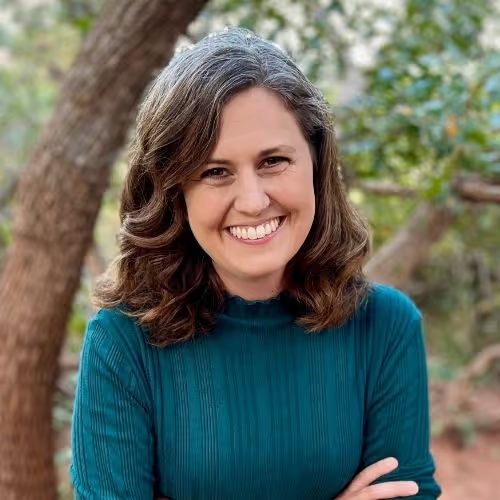
My approach is flexible and holistic. I understand that healing looks different for everyone, so I strive to help each unique individual discover the best way forward to achieve their goals!
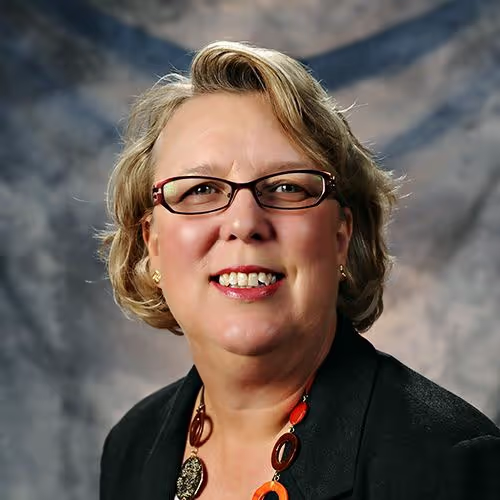
One of the strongest predictors of success in therapy is the connection you share with your therapist, so finding the best fit is an important first step!

As a therapist, I believe I work for you, as no one knows you better than you know yourself. I will walk alongside you on your journey to healing and help you uncover the roots of your issues.

As a counselor, my goal is to help you reclaim your inner strength and resilience, heal past wounds, and discover a meaningful sense of self grounded in self-discovery and authenticity.

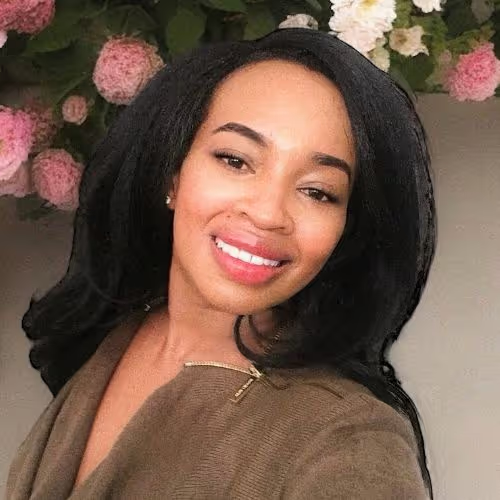
With a deep-rooted passion for human connection and well-being, I have dedicated my life to supporting individuals on their path to self-discovery and healing.
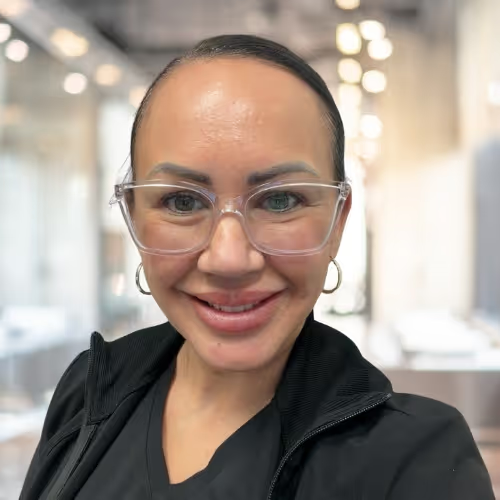
I am a dual-certified Family Nurse Practitioner (FNP) and Psychiatric Mental Health Nurse Practitioner (PMHNP) with over 20 years of healthcare experience.