Loving someone with narcissistic traits — or recognizing them in yourself — is complicated. Explore resources on understanding narcissistic personality patterns and building healthier relationships.
Book a SessionDealing with a narcissistic sibling can be challenging. Setting healthy boundaries is essential to protect your self-esteem and mental health. Don't feed into their need for attention and avoid engaging in their manipulation tactics. It's also beneficial to seek professional help to navigate these complex family relationships.
Common narcissistic traits include self-importance grandiosity, self-indulgences that they imagine unlimited success and a belief that they are "special" and unique. They often require excessive admiration and have a sense of entitlement. These traits can be particularly damaging in sibling relationships.
A cheating narcissist is an individual who possesses narcissistic traits and engages in infidelity. They often display an inflated sense of self-importance, poor impulse control, and use manipulation tactics to maintain relationships while pursuing other romantic or sexual interests.
Narcissistic traits that may lead to cheating include an exaggerated sense of self-importance, a lack of empathy for others, a need for constant admiration, and poor impulse control. These individuals may feel entitled to pursue other relationships without considering the feelings of their current partner.
Poor impulse control is a common trait among narcissists. This can manifest as a tendency to act on whims or desires without considering the potential consequences. In the context of a relationship, this may lead to infidelity if the narcissist is attracted to someone else.
Not all narcissists cheat in relationships. While many do exhibit traits such as an inflated ego and poor impulse control, not every individual with narcissistic traits will engage in infidelity. It's important to remember that narcissism is a spectrum, and behavior can vary greatly among individuals.
Narcissism is considered a type of personality disorder known as Narcissistic Personality Disorder (NPD). However, it is also part of the broader category of mental disorders. It's crucial for a mental health professional to diagnose these conditions, as they require specialized knowledge and experience with personality disorders.
While it's possible for a narcissist to feel remorse, it's not typically associated with their behavior. Due to their inflated sense of self and lack of empathy, narcissists may not feel guilty after cheating. Instead, they might use manipulation tactics, or other forms of narcissistic abuse, to justify their actions or shift the blame onto others.
Dealing with a cheating narcissist can be challenging due to their manipulation tactics and lack of remorse. It's recommended to seek support from a mental health professional who can provide strategies and tools for managing the relationship and your emotions. They can also help you decide whether it's in your best interest to stay in the relationship or leave.
A narcissist is someone who has an inflated sense of self-importance and a need for attention and admiration. They may be very charming and charismatic, but they also tend to be manipulative and abusive.

"What we do is more important than what we say or what we say we believe." - bell hooks

"The grass isn't greener on the other side; it's greener where you water it." - Unknown
"Alone we can do so little; together we can do so much."
"The curious paradox is that when I accept myself just as I am, then I can change." Carl Rogers

This is the recipe of life said my mother as she held me in her arms as I wept. Think of those flowers you plant in the garden each year; they will teach you that people too, must wilt, fall, root, rise, in order to bloom. -Rupi Kaur
Together, we’ll take every step of your journey, side by side, through every twist and turn ahead.
.jpeg)
"When we are no longer able to change a situation, we are challenged to change ourselves." - Viktor E. Frankl
.avif)
You've been graced for confusion, hard things, death, suffering, denial, and betrayal, and you will find strength when you are weak & beauty in every burden. - Rich Tolbert Jr.
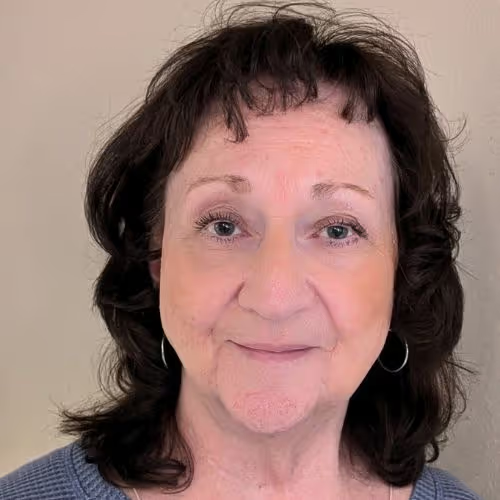
I’m grateful for the opportunity to serve my clients and help them achieve their goals every day!

Imperfection is required for a joyful life - KC Davis.
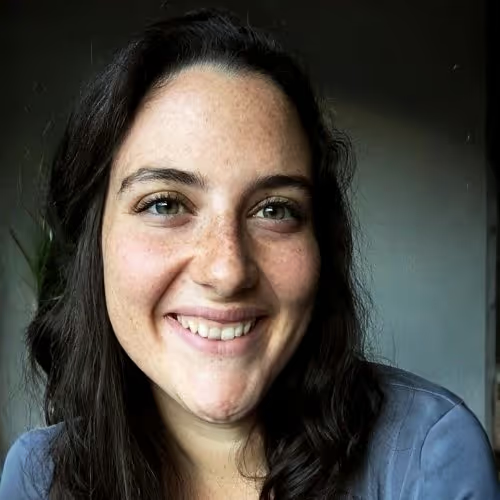
"When we love the earth, we are able to love ourselves more fully." -Bell Hooks

I strongly believe in the importance of the "therapeutic relationship" and the role it plays in fostering growth and healing.

“Although the world is full of suffering, it is also full of the overcoming of it.”— Helen Keller

“An inconvenience is only an adventure wrongly considered.” G.K. Chesterton
.avif)
Mindfulness and accountability are the keys to unraveling the best version of self.
.avif)
Healing is not becoming the person you were before, but becoming who you are meant to be now.”
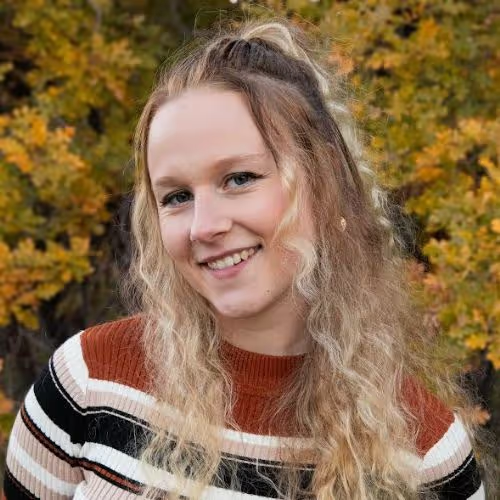
When you wake up in the morning, and lift your head off of the pillow, you have all you need." - Anonymous

"Give in to unpleasantness and pain just as to pleasure. Do not restrict your awareness." Claudio Naranjo
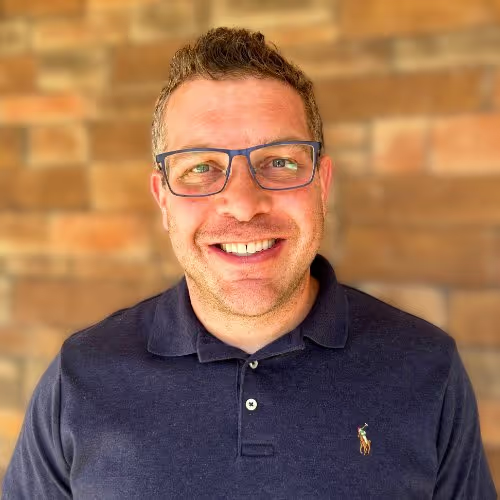
"Be patient. I am a work in progress." Benjamin Leverentz

"There is hope even when your brain tells you there isn't" - John Green
"To live authentically means embracing both your strengths and your limitations and allowing others to see both."

What challenges will you overcome in your journey? Whether it's pushing past current fears or trauma, reaching new goals, or finding your true potential, the possibilities are endless.
Taking the first step is always the hardest, but it’s the one that sets everything else in motion.

“Vulnerability is the birthplace of innovation, creativity and change.” ― Brene Brown
.avif)
"Stop searching and you will see. Stop running away and you will be found" Lao Tzu

"Although the world is full of suffering, it is also full of the overcoming of it." Helen Keller
.avif)
"The curious paradox is that when I accept myself just as I am, then I can change." — Carl Rogers
“Don’t cry because it’s over, smile because it happened.” - Dr. Seuss
Therapy is about having a good "fit" between you and your therapist. It’s important to feel comfortable, understood, and supported in order to make real progress.

"Light shines into darkness, and darkness will never overcome it!"

"Storms make trees take deeper roots." - Dolly Parton
You deserve to feel heard, understood, and genuinely supported as you navigate life's challenges. You don't have to go through it alone.
We may encounter many defeats, but we must not be defeated. — Maya Angelou

"The only person you are destined to become is the person you decide to be." - Ralph Waldo Emerson

“We think we need answers, but what we really need is room. Room to change our minds. Room to be surprised by joy again. Certainty is tidy, but it leaves no space for wonder.” - The Tiny Joy Project


"We cannot change, we cannot move away from what we are, until we thoroughly accept what we are. Then change seems to come about almost unnoticed." -Carl Rogers

I've learned that people will forget what you said, people will forget what you did, but people will never forget how you made them feel. - MA

"Only when we are brave enough to explore the darkness will we discover the infinite power of our light." - Brene Brown

Healing sometimes requires vulnerability, and vulnerability requires an act of courage.

Happiness can be found even in the darkest of times, if one only remembers to turn on the light. -Albus Dumbledore
It is important to me that you feel comfortable in every way, whether it’s sharing your thoughts, asking questions, or simply being yourself.
You are embarking on an essential journey of growth and healing!


My goal is to empower you to reconnect with your authentic self, navigate life's challenges, and cultivate a life of meaning and purpose.

"Everything will be okay in the end. If it's not okay, it's not the end" - John Lennon
You are not alone. I'm here with you during your healing journey!
"The greatest gift you ever give is your honest self." ~ Fred Rogers
"It's okay if our future is uncertain. I think we're just meant to do our best with what's in front of us today"

"Let us not become weary in doing good,for at the proper time we will reap a harvest if we do not give up." -Galatians 6:9

Each of us carries unique, intrinsic value that is irreplaceable.
.avif)
It is through overcoming our struggles that we discover strength.
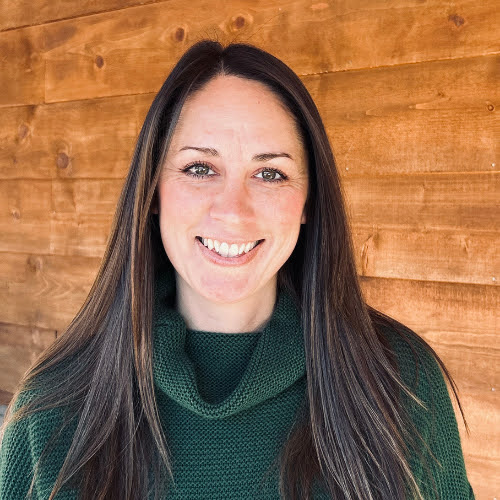
"I like adventures, and I'm going to find some." by Louisa May Alcott
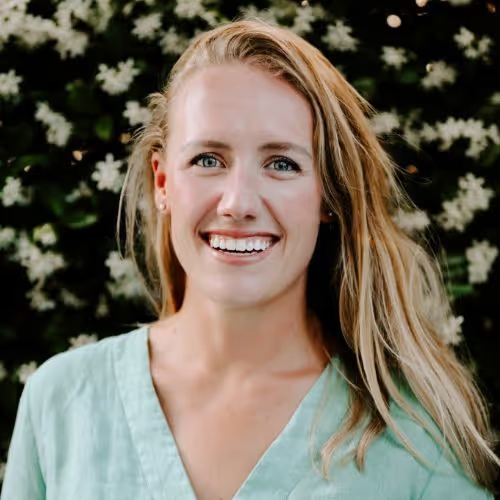
"Out of difficulties grow miracles" - Jean de La Bruyère

“Not everything needs to be in full bloom to be meaningful. Growth often looks like stillness.”

“Your focus determines your reality.” - Qui-Gon Jinn

“Trauma is not what happens to you but what happens inside you” - Gabor Mate

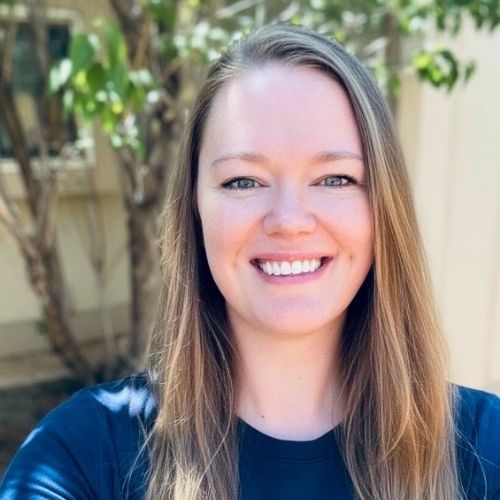
"People will forget what you said, people will forget what you did, but people will never forget how you made them feel".
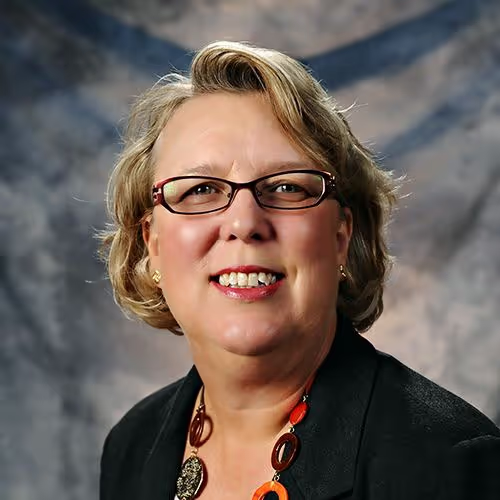
Establishing a connection is the first step in establishing a relationship.

"There is no standard normal. Normal is subjective. There are seven billion versions of normal on this planet." - Matt Haig
"There are only two ways to live your life. One is as though nothing is a miracle. The other is as though everything is a miracle." ~ Albert Einstein

The most challenging part of counseling is taking that first step.

"The curious paradox is that when I accept myself just as I am, then I can change."— Carl Rogers

“Worry does not empty tomorrow of its sorrow; it empties today of its strength.” -CTB

Let's continue your journey together and achieve great things.

Nature is authentic, unfiltered, and free from judgment, offering a space where everything exists as it is, in perfect harmony.

Don't give up what you want the most for what you want now.

"People will forget what you said, people will forget what you did, but people will never forget how you made them feel"- Maya Angelou
“Healing is not about fixing what is broken, but supporting what is human.”
Victory awaits on the other side—keep pushing forward to reach your goals!
"One of the greatest discoveries a person makes, one of their great surprises, is to find they can do what they were afraid they couldn't do." Aaron T. Beck


My primary goal when providing care is to ensure every client feels heard.
To invent your own life's meaning is not easy, but it's allowed, and I think you'll be happier for the trouble. - Bill Watterson


There is always light. If only we are brave enough to see it. If only we are brave enough to be it.

I have witnessed the magic of therapy and the unwavering resilience of humans.
“One does not become enlightened by imagining figures of light, but by making the darkness conscious.” ― Carl Jung
"The curious paradox is that when I accept myself just as I am, then I can change."- Carl Rogers

“Your vulnerability is a strength, not a weakness.” “Tu vulnerabilidad es una fortaleza, no una debilidad.”

"If you only carry one thing throughout your life, let it be hope."

I can be changed by what happens to me, but I refuse to be reduced by it” -Maya Angelou
You are not alone. Whatever you’re going through, there are people who care about you and want to help. You matter, and your feelings are valid.
“The curious paradox is that when I accept myself just as I am, then I can change.” - Carl R. Rogers
"But part of getting to know yourself is to unknow yourself—to let go of the limiting stories you've told yourself about who you are so that you aren't trapped by them." — Lori Gottlieb

Hearing that you're loved and that you're enough has the power to replace the negative voices with the feeling of belonging and being worthy of happiness, laughter, and love.
Improving lives and creating a better future for everyone!

"To heal is to touch with love that which was previously touched by fear." -- Stephen Levine

Feeling overwhelmed and hopeless, unsure of where to start or how to move forward?
Only through our connectedness to others can we really know and enhance the self. And only through working on the self can we begin to enhance our connectedness to others. - Harriet Goldhor Lerner
"""Nobody can go back and start a new beginning, but anyone can start today and make a new ending."" -Maria Robinson"
"The soul is dyed by the colours of its thoughts." - Marcus Aurelius
Authenticity is the daily practice of letting go of who we think we're supposed to be and embracing who we are. -Brene Brown

Who I was yesterday may not be who I am today, and who I am today may not be who I will become tomorrow.