
An Alzheimer's diagnosis changes life for the whole family. Here you'll find compassionate guidance for both individuals and caregivers navigating memory loss, emotional adjustment, and finding support along the way.
Book a SessionWe've all had those moments where we can't find our keys or forget the name of an old movie star. That's normal, like a minor glitch in your brain's filing system. With Alzheimer's, it's a different story. It’s more like the entire filing cabinet is gone. It affects more than just memory; it can impact your judgment, reasoning, and ability to handle daily tasks. If you're wondering if what you're seeing is more than just a momentary brain blip, we can help you find clarity and a path forward.
Receiving an Alzheimer's diagnosis is like getting a map for a journey you never planned to take. Counseling is there to help you navigate this new, unexpected terrain. For the person with Alzheimer's, it's about finding ways to manage their emotions and fears. For family and caregivers, it's about learning new coping skills, managing stress, and creating a supportive network. We understand the immense weight you're carrying, and we'll work together to lighten the load and make this journey as manageable as possible.
Caring for a loved one with Alzheimer’s can feel like trying to solve a puzzle where the pieces keep changing shape. It's a tough job, and it's okay to feel overwhelmed. Counseling provides practical strategies to help you handle the daily challenges. This might include learning techniques to manage your loved one's behavior, finding ways to communicate effectively, and prioritizing self-care so you don't burn out. Remember, you can't pour from an empty cup. We're here to help you replenish your energy and stay resilient.
A diagnosis like Alzheimer's can sometimes feel like a storm cloud settling over the family, with everyone feeling confused or unsure of how to help. Counseling acts as a powerful umbrella, providing a safe space for everyone to process their feelings and ask difficult questions. It helps the whole family unit understand the disease, communicate more openly, and work together as a team. You are all in this together, and with the right support, you can face this challenge united.
I am a board-certified Psychiatric Mental Health Nurse Practitioner who provides individualized and evidence-based care!
Compassionate ANCC Board-Certified PMHNP with 15+ years of nursing experience, providing care to diverse populations in Florida and Colorado.

Welcome—So glad you’ve taken this step to be here. It takes courage to explore therapy, and I’m honored you’re considering what it might look like to work together.
The hardest step is starting counseling. I believe in building a therapeutic relationship by creating a safe place for you to be.
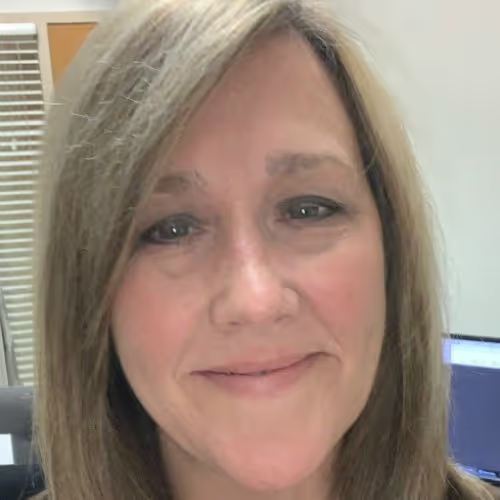
Thank you for taking the time to review my profile. Reaching out for help can be daunting and I applaud you for taking this initial step toward living a more rewarding life.
.avif)
We all need a space to express ourselves, to feel seen, heard, and validated without judgment. I’m passionate about providing that environment and helping others grow into their best selves.
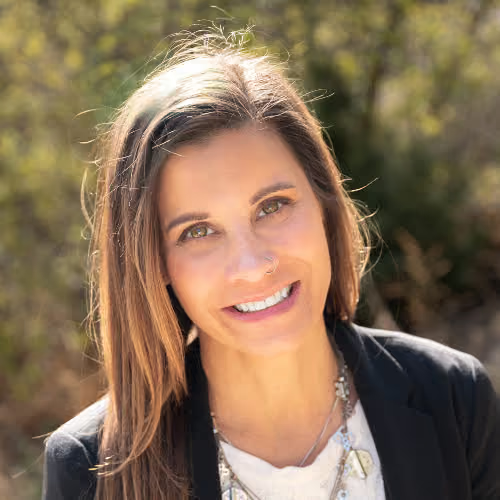
I am a dedicated counselor who draws from research on the profound impact of social connectedness on emotional well-being.

Every story is woven with meaningful threads—culture, heritage, courage, pain, and resilience. Life’s challenges often require bravery to face discomfort, curiosity to explore your inner world, and compassion to heal what has been hurt.
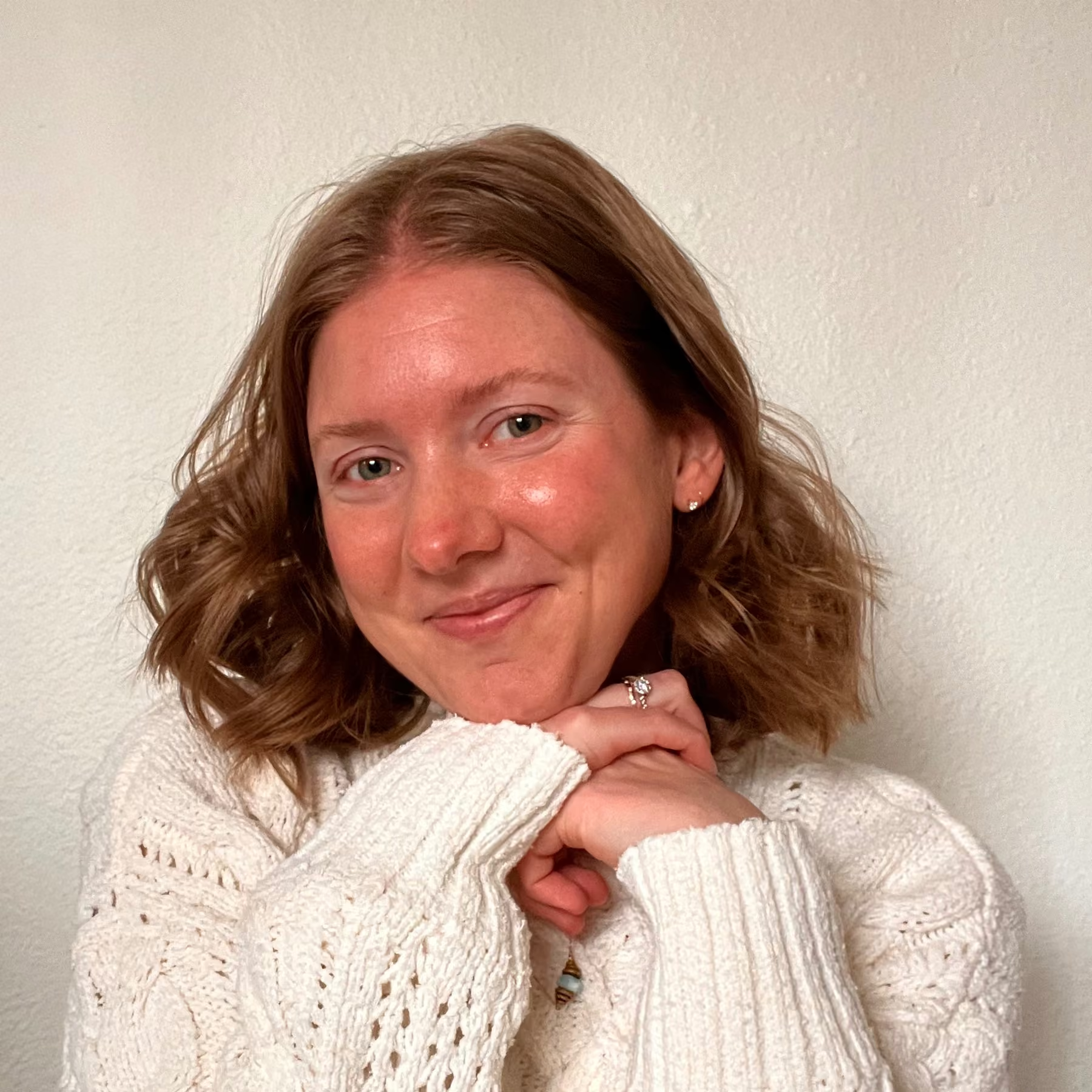
I specialize in working with high-achieving individuals who are looking to make authentic and sustained positive changes to their lives.
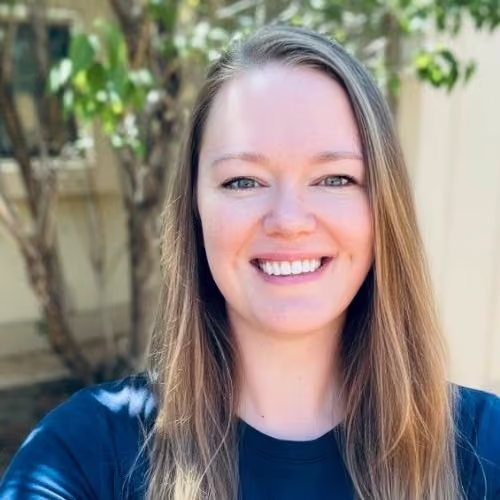
Meet Roxy Jackson, LPCC, a Colorado counselor specializing in trauma, anxiety, ADHD, and faith-based therapy for women. Book a session today.