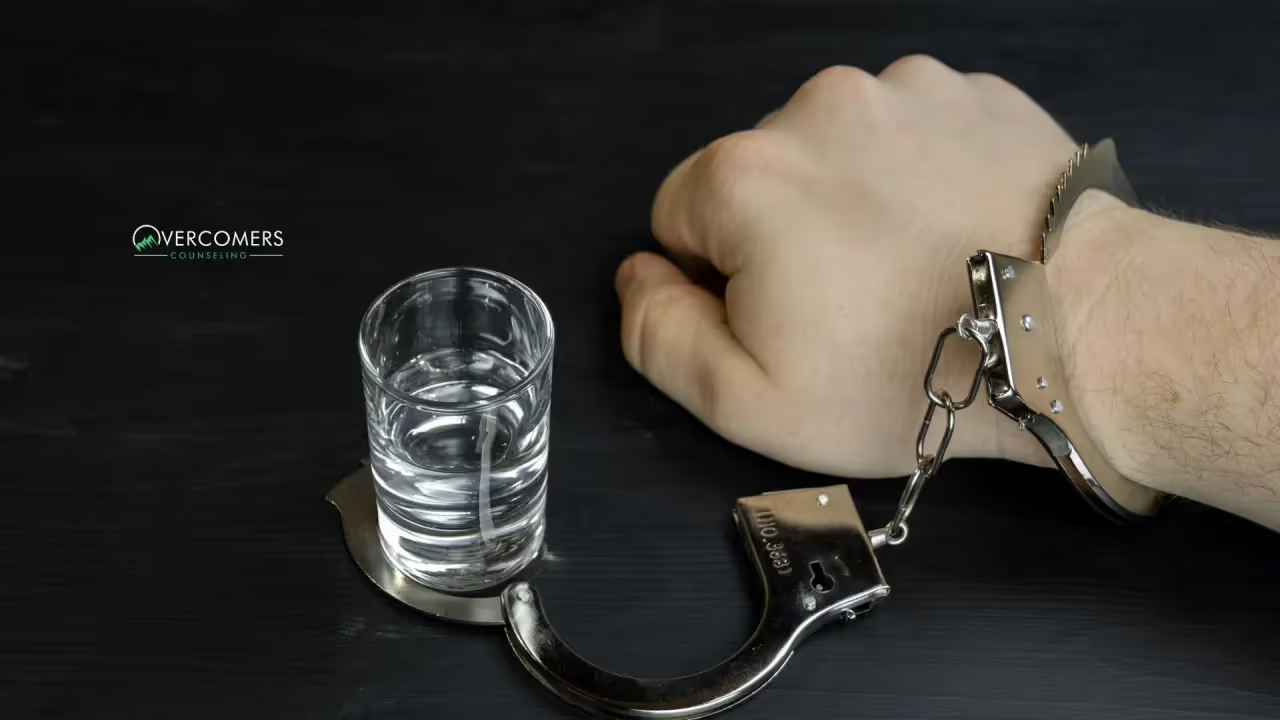
In the past, research only looked at how men were affected by addiction.Unfortunately, this medical bias didn't recognize substance use in women is a...

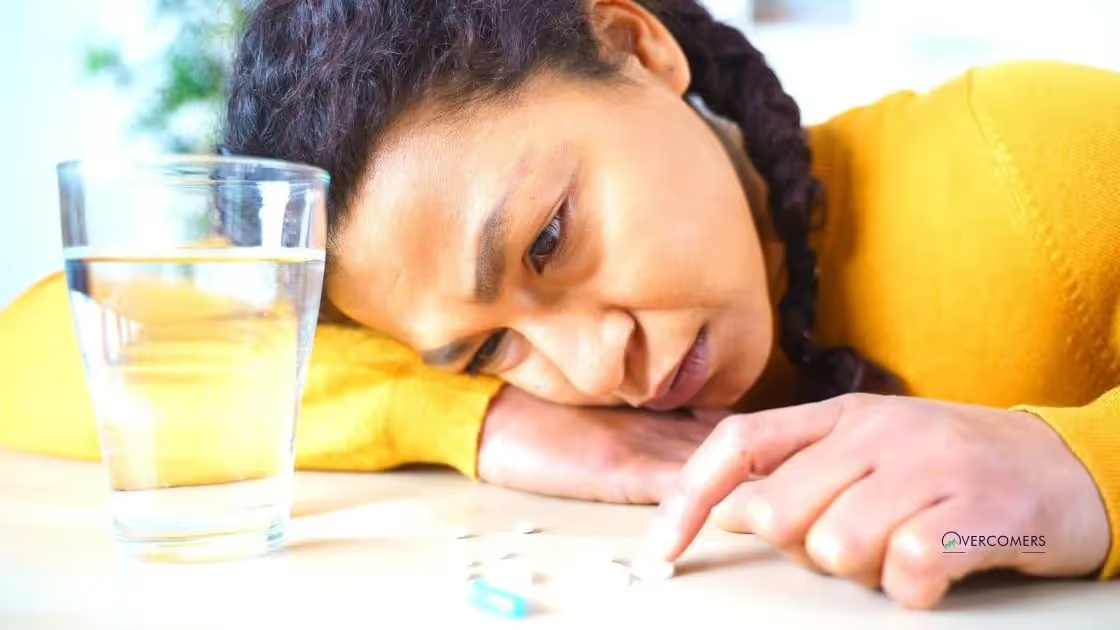
In the past, research only looked at how men were affected by addiction.
Unfortunately, this medical bias didn't recognize substance use in women is a different type of disorder.
However, in the 1990s women started being included in these studies.
Now researchers recognize there are numerous differences between men and women who have this disorder.
Part of why substance use in women is different from that in men has to do with sex (biology) and gender (culturally defined roles).
According to researchers, women struggle with substance abuse mainly due to their biological makeup (e.g., hormones, menstrual cycle, fertility, pregnancy, breastfeeding, menopause).
Women themselves say that their primary reasons for addiction have to do with self-medicating for things like controlling weight, fighting exhaustion, coping with pain, and managing mental health issues.

Researchers have found that men are more likely to become addicts.
Their substance abuse stems either from their desire to be a part of the group or from peer pressure.
Substance use in women begins with their desire to self-medicate.
From there their use of illicit substances quickly spirals into addiction.
Substance use in women is likelier to occur when they're victims of domestic violence.
Family issues (e.g., divorce, loss of child custody, death of a partner or child) also trigger substance use in women.
Overall men aren't as likely to self-medicate for these types of mental health issues.
As an additional note here, it's unfortunate that women have chosen to self-medicate in this way.
Typically, it makes the situation worse as they'll then start suffering from things like panic attacks, anxiety, and depression.
Although men get addicted to lower doses of substances than women they still experience more intense withdrawal symptoms.
However, when substance use in women occurs, women are likelier to suffer from its side effects (e.g., liver damage).
Not only do they experience more physical effects on their heart and blood vessels, but they're also more likely to overdose.

Men are fortunate in that they're less likely to relapse.
This is something research has discovered when looking at how long men can abstain from using their substance of choice.
However, women respond to substances differently.
They tend to experience intense cravings which is why they're more likely to relapse.
There are other reasons why substance use in women is different from that in men.
However, researchers have discovered that the differences in substance use in women versus men have a lot to do with the fact that women respond differently to substances.
Researchers believe that this is because of their hormones, but brain chemistry also plays a role here.
Drugs are known to change a woman's brain in a different way making drugs like cocaine more potent for the women who use them.
Despite the differences in substance use in women and men, the truth still remains that recovery will save your life.
If the cost of addiction has become unbearable, we want you to know that we're here for you.
At Overcomers Counseling we want to work with you so that you can have a healthier, more fulfilling life.
https://www.samhsa.gov/data/sites/default/files/NSDUH-DetTabs-2016/NSDUH-DetTabs-2016.pdf
https://www.ncbi.nlm.nih.gov/pmc/articles/PMC4539872/ https://# (resource links here)
Tackling alcoholism isn't about finding a magic cure, but rather about learning to manage a chronic illness, much like learning to live with diabetes or asthma. It’s a long-term commitment to your well-being. The good news is that millions have successfully managed it and gone on to live fulfilling lives. You can get to a place where alcohol no longer controls your life. With the right support, like therapy, support groups, and medication, you can reclaim your peace and find a new way forward.
Have you ever felt like your internal "check engine" light is on, but you can't quite figure out why? The signs of alcohol abuse can feel like that. Maybe you're drinking more often than you planned, or you're missing out on things you used to love. Perhaps you're feeling a stronger desire to drink or noticing that you need more to feel the same effect. We understand that recognizing these signs is the first, brave step. We can help you listen to that signal and find the right path to wellness.
Taking on alcohol abuse is a powerful act of self-empowerment. The most effective approach is like building a custom toolbox for your recovery, filled with the right resources for you. This often includes therapies like Cognitive Behavioral Therapy (CBT), which helps you recognize triggers and build new coping skills. Many people also find support groups like Alcoholics Anonymous incredibly helpful, as it's a space where you can connect with others who truly get it. We'll help you find the right combination of tools to create lasting, positive change.