Do you find yourself constantly overthinking your relationship? Do you worry about every little thing, from whether your partner is really committed to you...


Do you find yourself constantly overthinking your relationship?
Do you worry about every little thing, from whether your partner is really committed to you to what they meant by that one text message?
If so, you're not alone.
Overthinking can be a major source of stress and anxiety in relationships, but there are ways to overcome it.
We'll explore some tips for how to overcome overthinking in your relationship.
One of the best ways to stop overthinking is to communicate openly and honestly with your partner.
Share your concerns and worries with them and ask for their perspective.
It's important to approach these conversations without judgment or blame and to listen carefully to what your partner has to say.

Mindfulness is the practice of being present in the moment and focusing on what's happening right now.
When you find yourself starting to spiral into overthinking mode, take a few deep breaths and try to bring yourself back into the present moment. This can help you by,
You can also try mindfulness exercises like meditation or yoga.

Overthinking often involves negative thoughts and assumptions about ourselves or our partners.
Take some time to identify these negative thoughts and challenge them with evidence-based reasoning.
Ask yourself if there is any proof that these thoughts are true, or if they are simply assumptions or fears.
Many times we overthink because we're trying to control things that are outside of our control.
Instead of worrying about things that may or may not happen, focus on what you can control in your relationship - like how you communicate with your partner or how much effort you put into the relationship.
It's important to prioritize self-care when dealing with overthinking in relationships.
Make sure you're getting enough sleep, exercising regularly, eating well-balanced meals, spend time doing activities that bring you joy and fulfillment.
Some other ways you can take care of yourself include.
By taking care of yourself, you can reduce stress and anxiety and create a healthier, more balanced relationship.
Overcoming overthinking requires patience, understanding, and effort from both partners. With some
Why do I tend to overthink my relationship?
Overthinking can be caused by a variety of factors, such as past relationship experiences, anxiety, low self-esteem or insecurity, or simply a tendency towards perfectionism.
Is overthinking normal in relationships?
It's common for people to have occasional worries or doubts in their relationship. However, if you find yourself constantly overthinking or obsessing about your relationship to the point where it's affecting your daily life and causing you significant distress, it may be helpful to seek support from a therapist or counselor.
Can talking to my partner help me overcome overthinking?
Yes! Communicating openly and honestly with your partner can help you gain perspective and understanding about any concerns or worries you may have. It can also help build trust and strengthen your bond as a couple.
How can mindfulness help me overcome overthinking?
Mindfulness is the practice of being present in the moment and focusing on what's happening right now. When we're caught up in overthinking, our minds are often stuck ruminating on the past or worrying about the future. Practicing mindfulness techniques like meditation or deep breathing exercises can help bring us back into the present moment and reduce feelings of anxiety and stress.
How long does it take to overcome overthinking in relationships?
The time it takes to overcome overthinking will vary depending on each individual's situation. Some people may see improvement after just a few sessions with a therapist, while others may need more time to work through underlying issues that contribute to their overthinking patterns. The important thing is to be patient with yourself and stay committed to taking steps toward overcoming overthinking in your relationship.
Why is it important to overcome overthinking?
Overthinking can have a negative impact on your relationship, leading to feelings of anxiety, insecurity, and low self-esteem. By working to overcome overthinking in your relationship, you will be able to reduce stress and cultivate trust and security with your partner. This can help strengthen the bond between you and create a more positive and meaningful connection.
It's important to seek professional help if your overthinking in your relationship is causing you significant distress or interfering with your daily life.
A therapist or counselor can provide a safe and supportive space to explore underlying issues that may be contributing to your overthinking patterns.
They can also offer guidance and strategies for managing anxious thoughts and behaviors, as well as help you build skills for effective communication and problem-solving in your relationship.
Seeking professional help is a proactive step towards improving the quality of your life and relationships, and can lead to greater self-awareness, personal growth, and emotional well-being.
Overcoming overthinking in relationships takes time and effort but it's worth it for the sake of maintaining healthy relationships.
By communicating openly with your partner, practicing mindfulness techniques such as meditation or yoga, challenging negative thoughts when they arise instead of dwelling on them too long; focusing only on what's within our control rather than worrying endlessly about things outside our reach; taking care of ourselves physically (sleeping well) emotionally (spending more time doing activities we enjoy), mentally (focusing only on positive things) will help us feel more confident about ourselves while also strengthening our bonds with those closest around us.
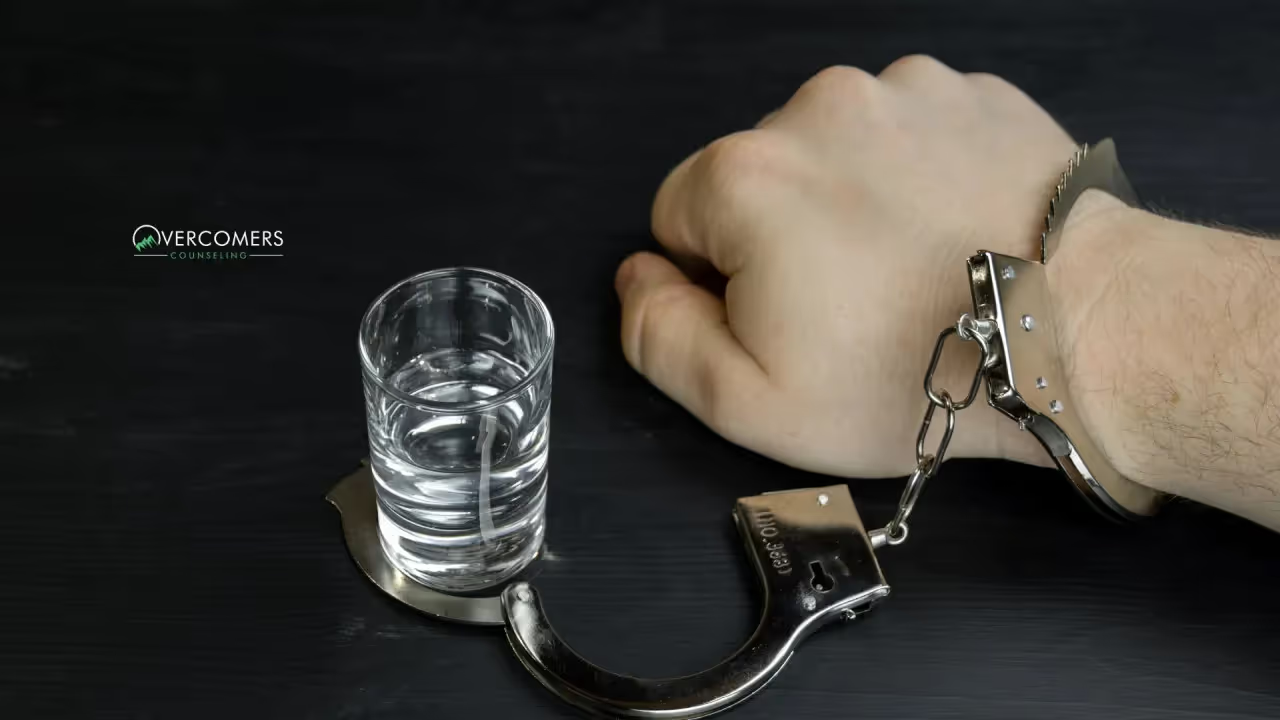
Tackling alcoholism isn't about finding a magic cure, but rather about learning to manage a chronic illness, much like learning to live with diabetes or asthma. It’s a long-term commitment to your well-being. The good news is that millions have successfully managed it and gone on to live fulfilling lives. You can get to a place where alcohol no longer controls your life. With the right support, like therapy, support groups, and medication, you can reclaim your peace and find a new way forward.
Have you ever felt like your internal "check engine" light is on, but you can't quite figure out why? The signs of alcohol abuse can feel like that. Maybe you're drinking more often than you planned, or you're missing out on things you used to love. Perhaps you're feeling a stronger desire to drink or noticing that you need more to feel the same effect. We understand that recognizing these signs is the first, brave step. We can help you listen to that signal and find the right path to wellness.
Taking on alcohol abuse is a powerful act of self-empowerment. The most effective approach is like building a custom toolbox for your recovery, filled with the right resources for you. This often includes therapies like Cognitive Behavioral Therapy (CBT), which helps you recognize triggers and build new coping skills. Many people also find support groups like Alcoholics Anonymous incredibly helpful, as it's a space where you can connect with others who truly get it. We'll help you find the right combination of tools to create lasting, positive change.