Millions of people around the world struggle with bipolar disorder. Extreme shifts in mood, from depression to mania, are a hallmark of the disorder. These...

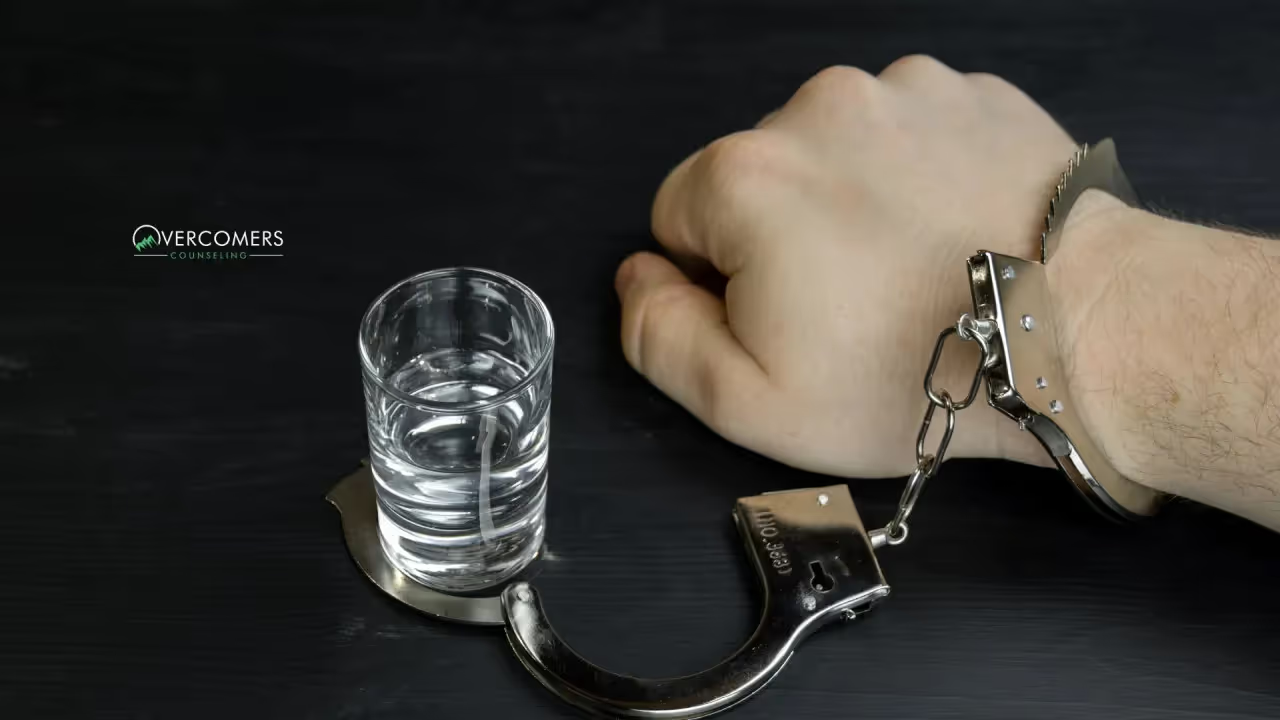
Millions of people around the world struggle with bipolar disorder. Extreme shifts in mood, from depression to mania, are a hallmark of the disorder. These bouts can last for a few days to a few weeks at a time, and they can occur several times a week or a few times a year. Addiction is a serious risk for people with bipolar disorder because of their difficulty controlling their emotions. As a result, bipolar disorder and addiction are frequently linked. Abuse of drugs and alcohol is one of the most common addictions for bipolar people. When experiencing the extremes of mania and depression, many bipolar individuals frequently resort to substances such as alcohol and drugs. Sex addiction is also among the common addictions for bipolar people.
People with bipolar disorder may experience a heightened sense of sexuality during manic episodes. When combined with the impulsivity symptoms associated with mania, this can lead to hypersexuality. As it is common for people with bipolar disorder to engage in addictive behaviors, there is a strong correlation between bipolar disorder and gambling addiction. It is one of the numerous risk-taking behaviors linked to bipolar disorder. Despite these possibilities, having support for bipolar disorder and the concern of loved ones can make a huge difference in the outcome of navigating the condition. Read on to learn more details about common addictions for bipolar people.
People who suffer from bipolar disorder are more likely to develop a substance abuse addiction. This is because of the effects certain substances can have on humans. The emotional turmoil that comes with bipolar disorder can be temporarily alleviated with drugs and alcohol, which is why many people are likely to turn to them. However, substance abuse can make bipolar disorder symptoms worse and vice versa, creating a destructive cycle of addiction and mental illness. The efficacy of bipolar disorder medication may also be compromised by substance abuse. Substance abusers may be less likely to take their medications as directed, which can worsen their symptoms and increase their risk of adverse drug interactions. Substance abuse treatment for people with bipolar disorder typically combines medication, therapy, and support groups. Those who suffer from bipolar disorder and are also battling substance abuse should get help as soon as possible.
Gambling addiction is another example of the various common addictions for bipolar people. Due to their impulsivity and risk-taking tendencies, those who suffer from bipolar disorder may be more prone to gambling addiction. Additionally, they might experience manic episodes that heighten their desire to partake in risky behaviors like gambling. They also frequently use gambling to control their negative emotions. Gambling's excitement can help people with bipolar disorder forget about their problems for a while. On the other hand, if you're not careful, your gambling habit could quickly become destructive, costing you much more than you can imagine. Therapy, support groups, and financial counseling are frequently used in the treatment of gambling addiction in bipolar people. If you suffer from bipolar disorder and are having trouble controlling your gambling addiction, you should seek help immediately. Without mental health treatment, a person with a bipolar, addictive personality will likely continue to struggle with gambling and possibly other addictions.

Sexual addiction is a prevalent addiction among individuals with bipolar disorder. During manic episodes, individuals with bipolar disorder may experience hypersexuality, resulting in risky sexual behavior and, eventually, a sex addiction. People with bipolar disorder may also use sex to dull the effects of their extreme emotions. Hypersexuality is a symptom of bipolar disorder, and it is not limited to episodes of mania. Some people with bipolar disorder may engage in sexually-focused compulsions or impulsivity to cope with their depressive or anxious moods. Hypersexuality can cause difficulties in relationships and the workplace and prevent individuals from engaging in normal activities. Additionally, it can result in feelings of guilt, shame, and isolation. In addition, it can exacerbate the symptoms of bipolar disorder, resulting in a vicious cycle of addiction and mental illness. Therapy, support groups, and medication are often used together to treat sex addiction in people with bipolar disorder.
Some people with bipolar disorder also struggle with an addiction to food. People with bipolar disorder often turn to food to ease their mental anguish. In addition to the mood episodes that characterize the condition, they may also observe changes in their sleep and appetite patterns. Bipolar people also have episodes of binge eating, which involves eating a large amount of food in a short period of time and often being left unable to stop. During depressive episodes, they may also experience bouts of binge eating. Obesity and a variety of health problems, including heart disease and diabetes, can result from food addiction. It can also exacerbate the symptoms of bipolar disorder, resulting in a vicious cycle of addiction and mental illness. Individuals with bipolar disorder who struggle with food addiction should seek professional help.
An increasing number of people with bipolar disorder are developing addictions to the internet. Some people with bipolar disorder may seek solace online in order to deal with the emotional distress they're experiencing. Additionally, they may experience manic episodes that result in excessive internet usage. In addition to causing psychological and physiological harm, compulsive Internet use can negatively impact one's interpersonal relationships. Additionally, it may exacerbate the signs of bipolar disorder, further perpetuating the vicious cycle of addiction and mental illness.
Addiction is more likely to develop in people who suffer from bipolar disorder, which can have devastating effects on their physical and mental health. Addiction is a serious problem for people with bipolar disorder, and both those with it and their loved ones need to be aware of the risks and get help when needed. With proper treatment and support for bipolar disorder, it is possible to manage bipolar disorder and overcome addiction. Some common addictions for bipolar people include gambling addiction, substance abuse, internet addiction, food addiction, and sex addiction.
https://www.healthline.com/health/bipolar-disorder/bipolar-binge-eating
https://www.psycom.net/sex-addiction/bipolar-and-sex-addiction
https://www.bhpalmbeach.com/addiction-blog/connecting-gambling-and-bipolar-disorder/
https://www.psychguides.com/bipolar/and-addiction/
https://www.michaelshouse.com/dual-diagnosis/bipolar-and-addiction/
https://www.webmd.com/connect-to-care/addiction-treatment-recovery/bipolar-disorder-and-addiction
The best way to help an addict without enabling them is by setting boundaries and getting help for yourself. It is important to remember that you cannot control the addict's behavior, but you can offer support and understanding. With time and patience, you can help your loved one recover from addiction.
Some resources for family members of addicts include therapy, counseling, 12-step programs, and other support groups. It is important to seek out these resources to get the tools you need to deal with your loved one's addiction. You can also find help for yourself through these resources.
Treatment for alcohol abuse often includes counseling, support groups, and medication. With the right help, your spouse can recover from alcoholism and go on to lead a healthy and happy life.
Staying sober is not a one-time thing; it’s a long-term commitment. Counseling helps you build a strong foundation for your recovery, like reinforcing the base of a house. We’ll help you develop skills to manage cravings, avoid relapse triggers, and navigate the daily stresses of life without turning to drugs. We’ll also help you create a network of support so you can continue to feel seen and heard on your journey. We believe in your capacity to lead a life of lasting recovery.
Sometimes, telling the difference between alcohol abuse and alcoholism can feel like looking at two seemingly similar roads. Alcohol abuse is the detour—a pattern of drinking that causes problems in your life, like missing work or making poor decisions. Alcoholism, now known as alcohol use disorder, is more like a new, unwanted destination. It's a chronic disease where drinking becomes a compulsive need you feel you can't control, with a physical and psychological dependence. We can work together to help you find your way back to your intended path.