Can addiction cause depression? That's a great question. You might have trouble distinguishing the symptoms of addiction from the symptoms of...

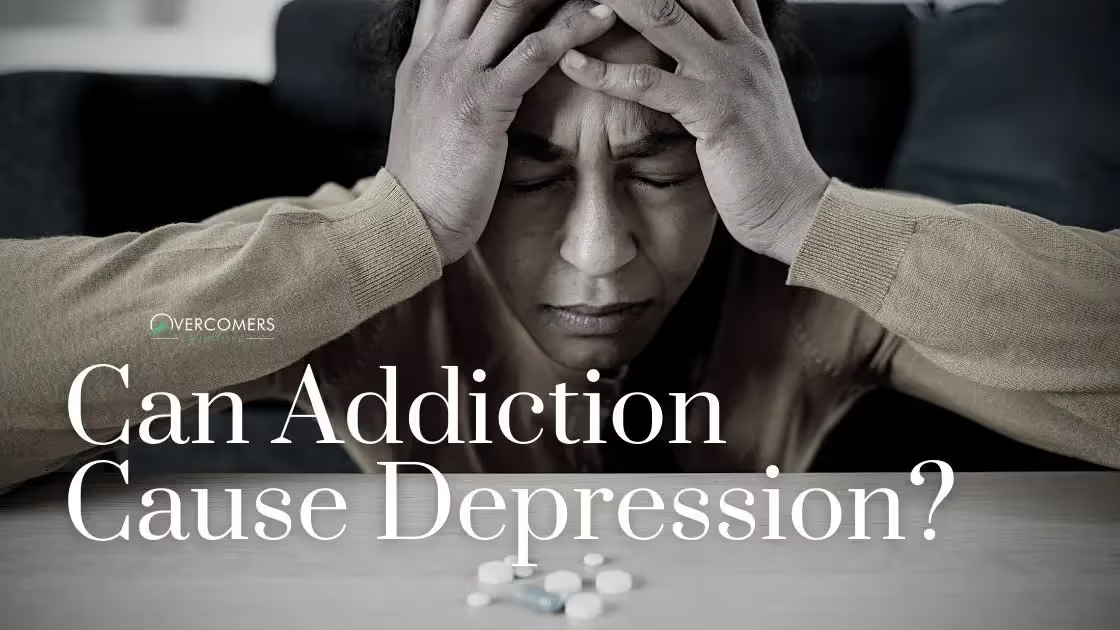
Can addiction cause depression?
That's a great question.
You might have trouble distinguishing the symptoms of addiction from the symptoms of depression.
But, don't worry.
There are many links between addiction and depression.
People with depression are more likely to become addicts.
And, addicts frequently start exhibiting the symptoms of depression.
Despite these overlaps and similarities, depression and addiction are very different.
Understanding the difference is the first step toward getting help.
Addiction is a dependency on a substance, a thing, or an activity.
We most typically think of addiction as alcohol or drug dependence.
But, people can be addicted to a lot of things.
That's because addiction is caused in the brain.
When you do certain activities, your brain releases the chemical dopamine.
Activities like meditation, eating a delicious meal, driving with the windows down.
These activities activate the pleasure signals in your brain which causes your brain to release the chemical dopamine.
Dopamine is connected to pleasure, mood regulation, and the ability to focus.
When a person takes drugs or gets drunk, their brain produces a large amount of dopamine. This is what causes people to feel euphoric or "high."
The brain doesn't make distinctions between dopamine released because of activities.
That means that getting drunk or taking opioids, having great sex, and meditating all produce the same chemicals in the brain.
That means that you can get addicted to anything that produces dopamine.

Depression is the persistent feelings of sadness, hopelessness, and despair.
Depression, particularly severe or chronic depression, can interfere with your life.
People who are depressed feel less motivated, often have trouble focusing, and don't enjoy things as much as they used to.

One of the reasons that many people confuse addiction with depression is that they have many symptoms in common.
Both addiction and depression can cause a person to refuse to acknowledge that there is a problem.
They will often be in denial about their condition and refuse to admit that they have a problem.
This is often due to the stigma that is frequently attached to addiction and depression.
People who have an addiction and people who have depression also frequently give up social activities or hobbies.
This can be because both addiction and depression affect the part of your brain that manages focus and motivation.
Both these conditions will cause you to lose interest in the things that you normally enjoy.
Both addiction and depression can cause a person to isolate themselves from other people and to experience issues in their personal relationships.
Addiction can be disruptive because of shame, lying, and theft.
Depression can hurt relationships because it causes us to self-isolate.
Both addiction and depression keep us away from the things that we love.
Depression can cause addiction.
People who are depressed typically feel low and have trouble experiencing happiness.
This might cause them to seek out pleasure in alcohol or drugs.
Many people report using alcohol or drugs to treat anxiety.
Something that starts out feeling that it's helping you could trigger an addiction.
Addiction can cause depression as you see your life slipping away from you.
Addiction often creates a barrier between us and the people we care about and the things that we love.
This can cause us to spiral into depression.
Addiction can also cause depression because of the stigma attached.
A person might lose a job or the respect of their family because of addiction.
This can lead to a spiral of self-blame and shame that feeds into your addiction.
The best way to differentiate between addiction and depression is to speak to a professional.
They'll be more capable of understanding if you're struggling with one or both.
Neither addiction nor depression will go away on its own.
This means that seeking treatment is your best chance of feeling better.
Tackling alcoholism isn't about finding a magic cure, but rather about learning to manage a chronic illness, much like learning to live with diabetes or asthma. It’s a long-term commitment to your well-being. The good news is that millions have successfully managed it and gone on to live fulfilling lives. You can get to a place where alcohol no longer controls your life. With the right support, like therapy, support groups, and medication, you can reclaim your peace and find a new way forward.
Have you ever felt like your internal "check engine" light is on, but you can't quite figure out why? The signs of alcohol abuse can feel like that. Maybe you're drinking more often than you planned, or you're missing out on things you used to love. Perhaps you're feeling a stronger desire to drink or noticing that you need more to feel the same effect. We understand that recognizing these signs is the first, brave step. We can help you listen to that signal and find the right path to wellness.
Taking on alcohol abuse is a powerful act of self-empowerment. The most effective approach is like building a custom toolbox for your recovery, filled with the right resources for you. This often includes therapies like Cognitive Behavioral Therapy (CBT), which helps you recognize triggers and build new coping skills. Many people also find support groups like Alcoholics Anonymous incredibly helpful, as it's a space where you can connect with others who truly get it. We'll help you find the right combination of tools to create lasting, positive change.