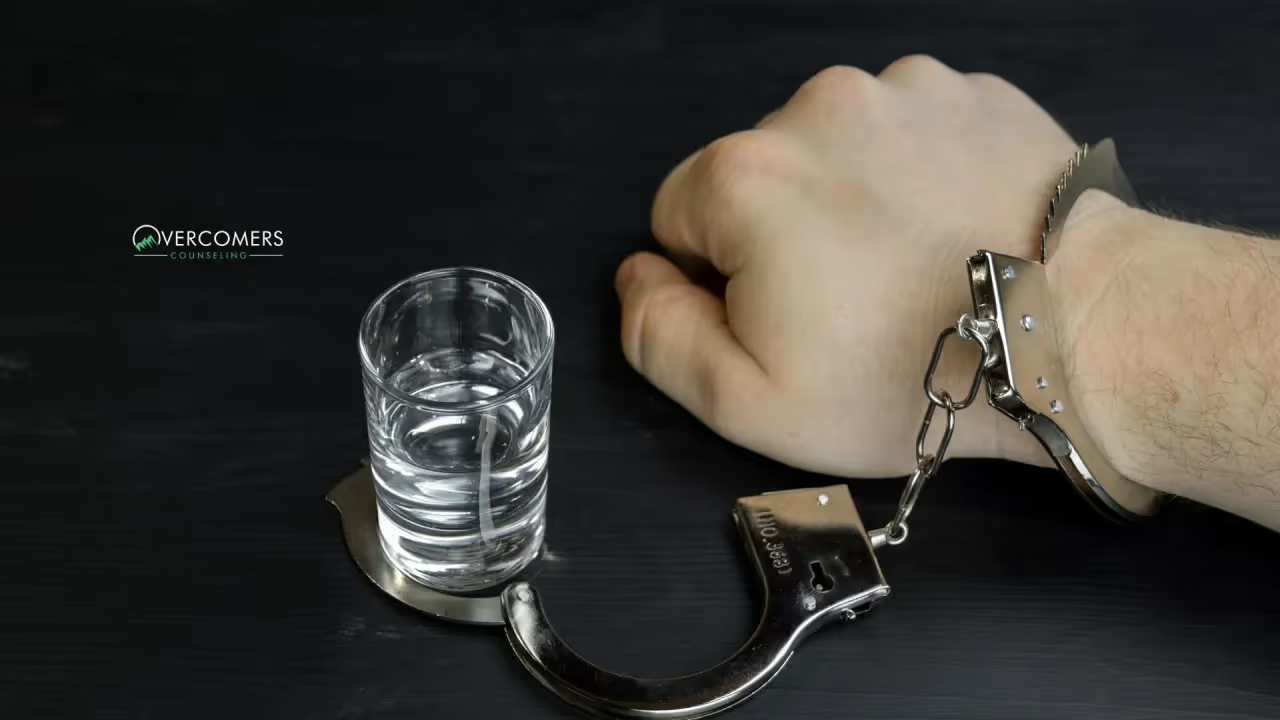
The task of recovery can seem less daunting if you follow the steps to recovery from alcoholism.If you've considered that you might have an addiction to...


The task of recovery can seem less daunting if you follow the steps to recovery from alcoholism.
If you've considered that you might have an addiction to alcohol that's causing you distress at work or with your family, you've already taken the first step!
Congratulations, because many people find it difficult to admit they have an issue with it.
According to a 2019 report, only 10% of people with alcohol use disorders end up receiving any treatment.
Reaching out for treatment if you realize you have an alcohol use disorder could be one of the best decisions you ever make.
This article will outline seven essential steps to recovery from alcoholism that, if implemented in your life, will significantly improve your chances of a successful recovery.
Alcoholism is a lifelong battle, just like any other physical illness.
However, if you stay vigilant, things can get better.
Relapse is possible, but you must go back to step one and begin again until recovery becomes a long-term way of life.
Let's get started with the steps.
Admitting to yourself that there is a problem is the first step toward a successful recovery from alcoholism.
For example, suppose you've been fired several times for missing work or showing up reeking of alcohol.
You may not be able to make it through an eight-hour shift without a drink because you will begin to shake and sweat.
Perhaps you got divorced because they told you to choose between them and the drink, and you chose the drink.
Whatever reasoning led to your decision, once you admit that you may have an alcohol problem, you are ready to move on to the following steps to recovery from alcoholism.

Now that you've admitted you have a drinking problem; the next step is to consider seeking help.
First, you may be considering praying to a higher power to remove your desire to drink completely.
This second step is critical in the recovery process.
You recognize that you have an alcohol problem when you see the devastation in your life that has resulted from the use of alcohol.
Also, you know the impact it has on those around you.
For many people, the effect of their drinking on others is the deciding factor in seeking treatment for their addiction.

The third step is to take action.
Taking action can include things like:
At this stage in the process, you have made a firm decision to do something about the alcohol addiction in your life.
The next step, detox, could be the most frightening for many struggling with alcoholism.
When it comes to alcohol, detoxification can be dangerous, even fatal, depending on the person and the severity of the addiction.
Detoxing in a medical setting is the best option.
For about 5-7 days, medical detox in a facility, usually a hospital, will monitor your vitals around the clock.
This level of care will help with the withdrawal and delirium tremens.
In addition, medical professionals will give medication.
The following are some examples of alcohol withdrawal symptoms:
Giving up alcohol cold turkey at home is generally risky and not recommended.
A person's chances of relapsing during a cold-turkey detox at home are also significantly increased.
Detoxification from alcohol is usually complete after about a week, and some form of recovery program will be in place to help someone stay on track after a detox.
Before someone leaves a detox facility, they are generally placed in an inpatient, residential, or outpatient treatment program in the steps to recovery from alcoholism.
After detox, the next step is to start a recovery program. Inpatient, residential, or outpatient treatment options are available.
Regardless of which path you take; group and individual therapy and medications are usually implemented.
For example, doctors may prescribe the following drugs during this stage of recovery:
The treatment program at this stage could last anywhere from 28 days to two years, depending on the severity.
However, of the steps to recovery from alcoholism, the recovery program is possibly the most important.
When someone relapses, it's because they didn't take this step seriously enough and didn't have a treatment plan in place to prevent it.
You would transition back home after treatment but continue recovery counseling or medications.
One of the reasons that it is crucial when you go back home to continue these practices from your recovery plan is that the real world is the true test of your sobriety.
Therefore, an arsenal of preventative measures to keep you focused is essential when you come back to the real world.
Maintenance is the step where you put your plan of action to work in the real world.
You maintain your sobriety.
Each maintenance plan will vary from person to person.
Some things people could do in this stage include the following:
It becomes more manageable when you break down the steps to recovery from alcoholism.
Change can be scary but living in the grips of all-consuming alcohol addiction is much more dangerous.
Your loved ones would all agree that having "you" back is well worth all the work you will put into your recovery for it to be successful.
If you or someone you love is suffering from alcoholism, reach out to a therapist today to start your journey to a better future.
https://www.niaaa.nih.gov/publications/brochures-and-fact-sheets/alcohol-facts-and-statistics
https://www.webmd.com/vitamins-and-supplements/gaba-uses-and-risks
Tackling alcoholism isn't about finding a magic cure, but rather about learning to manage a chronic illness, much like learning to live with diabetes or asthma. It’s a long-term commitment to your well-being. The good news is that millions have successfully managed it and gone on to live fulfilling lives. You can get to a place where alcohol no longer controls your life. With the right support, like therapy, support groups, and medication, you can reclaim your peace and find a new way forward.
Have you ever felt like your internal "check engine" light is on, but you can't quite figure out why? The signs of alcohol abuse can feel like that. Maybe you're drinking more often than you planned, or you're missing out on things you used to love. Perhaps you're feeling a stronger desire to drink or noticing that you need more to feel the same effect. We understand that recognizing these signs is the first, brave step. We can help you listen to that signal and find the right path to wellness.
Taking on alcohol abuse is a powerful act of self-empowerment. The most effective approach is like building a custom toolbox for your recovery, filled with the right resources for you. This often includes therapies like Cognitive Behavioral Therapy (CBT), which helps you recognize triggers and build new coping skills. Many people also find support groups like Alcoholics Anonymous incredibly helpful, as it's a space where you can connect with others who truly get it. We'll help you find the right combination of tools to create lasting, positive change.