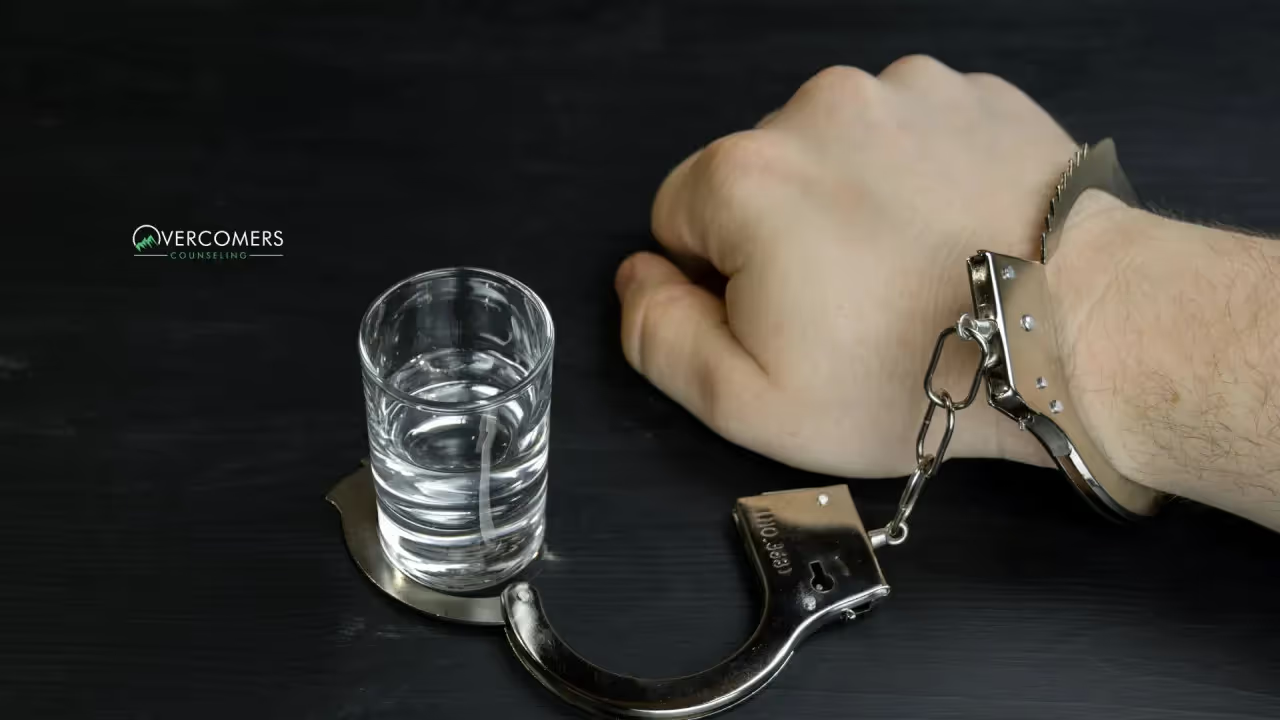
Do you ever wonder if you drink "normally"? What is normal? Isn't it all relative to the person? It's imperative if one has a concern, they get help...
.avif)

Do you ever wonder if you drink "normally"? What is normal? Isn't it all relative to the person? It's imperative if one has a concern, they get help sooner rather than later. Alcohol abuse is a serious issue and addressing it early on will prevent devastating repercussions.
Each question below contains 4 answers (1-4). Keep track of what number you select for each answer.
If the majority of your answers are 3s or 4s it may be time to seek help. Call us at (719) 345-2424 to schedule an appointment now.
Alcohol addiction is serious and there's nothing wrong with seeking help before you hurt yourself or a loved one.
No matter how many times you may have tried to stop, don't give up! Don't believe the lie that there's no hope for you.
There is hope, and we can help!
Tackling alcoholism isn't about finding a magic cure, but rather about learning to manage a chronic illness, much like learning to live with diabetes or asthma. It’s a long-term commitment to your well-being. The good news is that millions have successfully managed it and gone on to live fulfilling lives. You can get to a place where alcohol no longer controls your life. With the right support, like therapy, support groups, and medication, you can reclaim your peace and find a new way forward.
Have you ever felt like your internal "check engine" light is on, but you can't quite figure out why? The signs of alcohol abuse can feel like that. Maybe you're drinking more often than you planned, or you're missing out on things you used to love. Perhaps you're feeling a stronger desire to drink or noticing that you need more to feel the same effect. We understand that recognizing these signs is the first, brave step. We can help you listen to that signal and find the right path to wellness.
Taking on alcohol abuse is a powerful act of self-empowerment. The most effective approach is like building a custom toolbox for your recovery, filled with the right resources for you. This often includes therapies like Cognitive Behavioral Therapy (CBT), which helps you recognize triggers and build new coping skills. Many people also find support groups like Alcoholics Anonymous incredibly helpful, as it's a space where you can connect with others who truly get it. We'll help you find the right combination of tools to create lasting, positive change.