Imagine you're a superhero. Your superpower? Prosocial behavior! It may not sound as flashy as flying or invisibility, but it's a power that truly...

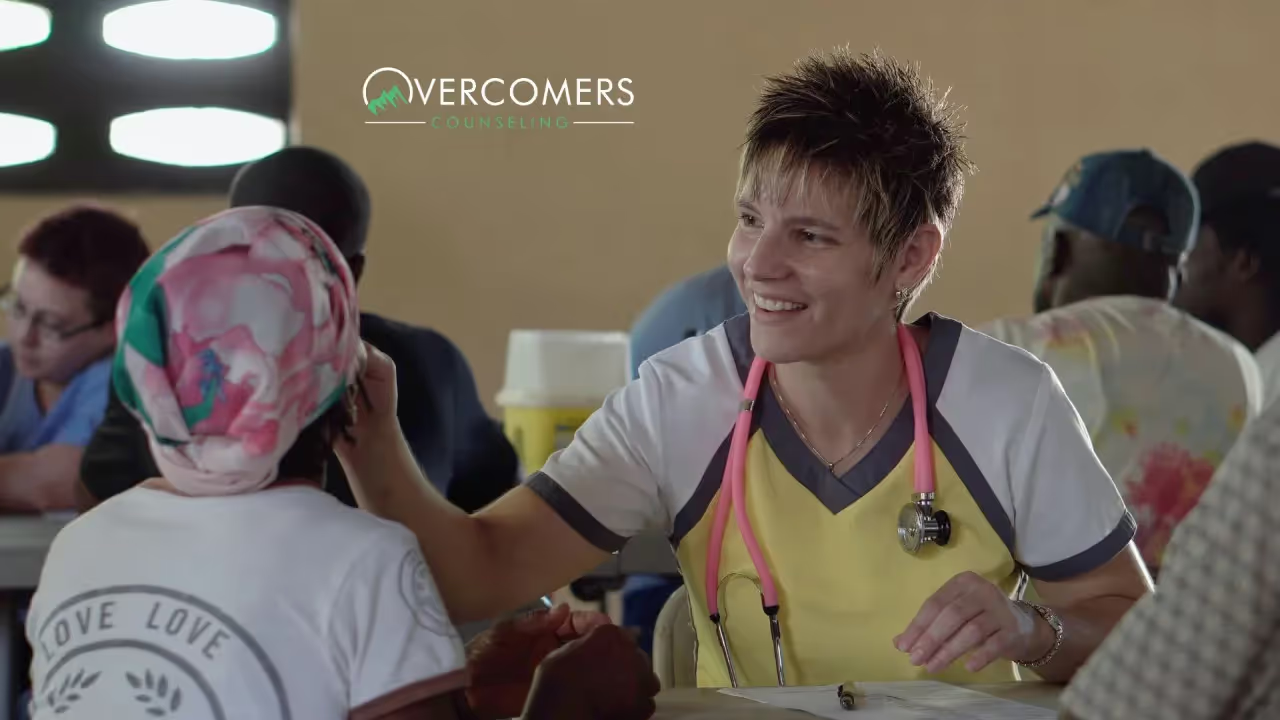
Imagine you're a superhero. Your superpower? Prosocial behavior! It may not sound as flashy as flying or invisibility, but it's a power that truly transforms the world. Prosocial behavior is our innate ability to act in ways that benefit others - think of it as the 'helping hand' gene. It's the warm smile you give to a stranger, the time you spend volunteering at your local charity, or the effort you put into resolving conflicts peacefully. Understanding prosocial behavior is like unlocking the secret manual to a happier, healthier society. It's the golden thread that weaves our social fabric together, making it stronger, more resilient, and yes, a lot more fun! So, buckle up as we dive into this fascinating world of kindness, empathy, and cooperation. Superhero cape optional, but highly recommended!
Prosocial behavior is a fascinating area of human interaction that revolves around actions performed to benefit others. This includes behaviors that are designed to help, share, donate, cooperate, and volunteer. These actions are not motivated by self-interest or external rewards; instead, they stem from empathy, compassion, and the desire to improve someone else's situation. Prosocial behavior forms the foundation of a harmonious society, promoting positive relationships and contributing to overall social stability. There are several types of prosocial behaviors that we often encounter in our everyday lives. Altruism, for instance, involves selfless acts aimed at helping others even when there is no expectation or likelihood of a reciprocal act.
Another type is helping behavior, which involves providing aid to someone in need, such as helping an elderly person cross the street or offering assistance to a colleague struggling with a heavy workload. Sharing, another form of prosocial behavior, can be seen when children split their snacks with friends, or when adults donate to charities. Cooperation, where individuals work together towards a common goal, is another key example. It could be as simple as a family working together to clean their house or nations collaborating on global issues like climate change. These are just some examples of how prosocial behaviors weave into the fabric of our daily interactions, subtly influencing the way we treat one another.
Prosocial behavior is deeply rooted in psychological processes that drive individuals to act in ways that benefit others. One of the key factors is empathy, the ability to understand and share the feelings of others. When we empathize with someone, we can imagine ourselves in their situation, which often motivates us to take action to alleviate their distress or improve their circumstances. This could range from comforting a friend going through a tough time to volunteering in a community project aimed at supporting those less fortunate. Closely related to empathy is the concept of compassion. Compassion goes beyond simply understanding another's predicament; it involves a genuine desire to help alleviate the suffering or hardship that someone else is experiencing.
Compassion, therefore, serves as a powerful motivator for prosocial behavior. It drives us to reach out, lend a helping hand, share our resources, or offer emotional support. In essence, both empathy and compassion serve as the emotional and psychological bedrock of prosocial behavior, prompting us to step outside of our own needs and desires to assist others.
Prosocial behavior not only contributes to the well-being of others, but it also has profound benefits for the individual performing these actions. Engaging in prosocial activities often leads to increased levels of happiness and satisfaction. It can enhance our mood, reduce stress, and even improve our physical health. People who engage in volunteer work have lower mortality rates and are less likely to suffer from depression. Prosocial behavior can also contribute to a stronger sense of self-worth and personal efficacy, as individuals realize their ability to make a positive impact. The impact of prosocial behavior extends beyond the individual level to communities and societies at large.
When members of a community regularly engage in prosocial behaviors, it fosters mutual respect, understanding, and cooperation, leading to more harmonious and cohesive communities. For instance, neighborhoods where residents actively look out for each other tend to experience lower crime rates and higher levels of social capital. On a broader scale, prosocial behaviors like volunteering, donating, or helping those in need can contribute to societal progress by addressing social inequalities and fostering a culture of empathy and compassion. In essence, prosocial behavior is a powerful tool that can significantly enhance social cohesion, solidarity, and overall societal well-being.
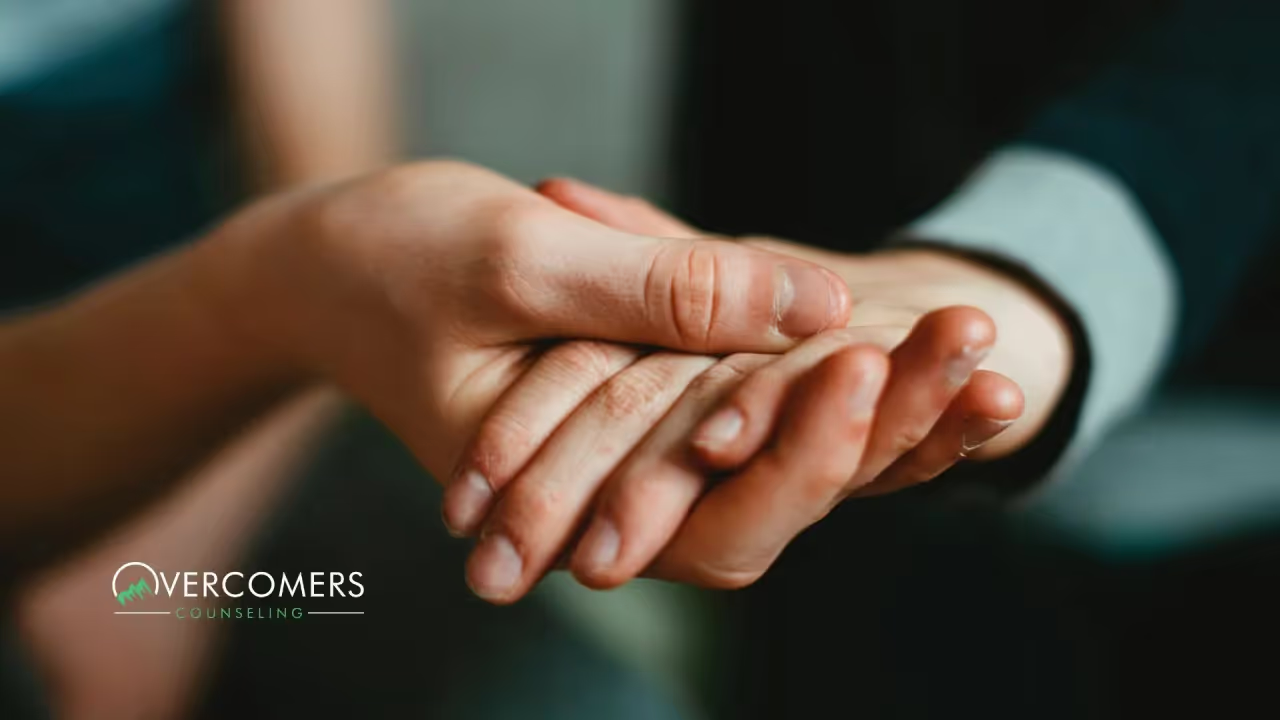
Strategies to encourage prosocial behavior vary across different age groups, yet the underlying principle remains the same: fostering empathy, compassion, and understanding. For children, this can be achieved through methods such as reading together, role-playing, and practicing on-the-spot praise and encouragement. Parents and educators play a crucial role here, modeling prosocial behaviors and providing opportunities for children to practice these behaviors in safe, supportive environments. In classrooms, teachers can make prosocial behavior contagious by acknowledging every student personally and fostering intrinsic motivation through genuine, effort-focused praise.
The promotion of prosocial behavior isn't limited to childhood; it's equally important in adults' lives, particularly within organizational and workplace settings. Employers can encourage prosocial behavior by creating a culture that values empathy, cooperation, and mutual respect. This could involve modeling prosocial behavior at the leadership level, recognizing and rewarding such behavior among employees, and providing training and development opportunities to enhance employees' prosocial skills. In essence, promoting prosocial behavior at all stages of life contributes to more caring, understanding, and supportive individuals, families, communities, and societies.
Think of prosocial behavior as the best kind of boomerang – the more you toss out kindness, empathy, and help into the world, the more it comes back to you. It's like a magical currency that enriches not only your life but also those around you. The benefits are bountiful - a warmer heart, a happier mind, and a more harmonious society. So, why not make prosocial behavior your new hobby? It's time to unleash your inner superhero! Whether it's helping an elderly neighbor with groceries or offering a listening ear to a friend, every act counts. Ready, set, and go spread some positivity!
If your feelings of emotional overwhelm persist despite your efforts to cope, or if they begin to negatively impact your daily functioning, relationships, or overall well-being, it's important to seek professional help from a mental health professional such as a therapist or counselor.
Potential Consequences if Someone Doesn't Address Their Emotional Overwhelm
Life is full of curveballs. Sometimes, it can feel like you're trying to catch them all with your bare hands, and it’s exhausting. The goal of coping skills counseling is to give you a catcher's mitt—a set of tools to help you handle life's challenges without getting bruised. We work together to help you build resilience and a personal toolkit of strategies for managing stress, anxiety, and big emotions. You can learn how to respond to life's ups and downs instead of just reacting.
Coping skills are like different types of workout equipment for your mind. There’s no one-size-fits-all solution, but there are a lot of options. You might learn mindfulness techniques to help you stay present and calm, or grounding exercises to bring you back down to earth when you feel overwhelmed. We'll also help you with problem-solving skills to tackle stressful situations head-on and emotional regulation to manage those big feelings. You'll find the skills that work for you.
Unhealthy coping skills are like a quick sugar rush—they feel good in the moment but leave you feeling worse later. This might include avoiding problems, turning to alcohol, or getting lost in video games to numb out. Healthy coping skills are like a nourishing meal—they might require more effort, but they'll give you sustained energy and a sense of well-being. We’ll help you swap the temporary fixes for long-term solutions that will truly help you feel better.
We've all had those moments where our usual coping mechanisms—like watching a movie or taking a walk—just aren’t cutting it. But if you feel like you're constantly on the verge of a breakdown or you’ve started to rely on unhealthy habits to get by, it might be time for some professional help. It’s a brave and powerful step to seek support. We can help you build the skills you need to navigate life's challenges with more confidence and peace.