Most of us are familiar with the act of gaslighting if we have ever been in an abusive relationship, but a lot of us aren't quite sure what that term...


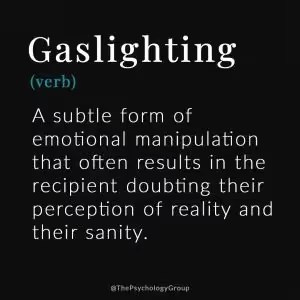
Most of us are familiar with the act of gaslighting if we have ever been in an abusive relationship, but a lot of us aren't quite sure what that term exactly entails. So, what is 'gaslighting' and how does it affect you? Gaslighting is a term used to describe a manipulation tactic used in abusive relationships. This maneuver is not exclusive to physically abusive relationships, but rather emotional ones as well. It can also include social, economic, and sexual abuse. Essentially, the abuser makes the victim and or survivor question their experiences and reality.
There are many forms of emotional abuse that can include name-calling, accusations, attempts to control the other person's behavior, threats of leaving, threats of outing, etc. However, gaslighting tends to be the most insidious due to the very nature of it causing a more rapid and severe decline in mental health due to the person thinking they are 'crazy.'
It is a technique that can cause severe emotional distress, an inability to leave a dangerous relationship (due to not being able to tell if it is dangerous), a decrease in self-esteem and self-worth as well as isolation due to your gas lighter making it seem like YOU are the problem, and therefore being abandoned by family, friends etc.
While it is definitely helpful in relationships to be accountable for negative or positive actions, a person who gaslights will never hold accountability and will make you seem like you are the constant issue. A lot of couples where one is the primary abuser/gaslighter will enter therapy with the victim/survivor thinking all of their issues are their fault, and later, with the help of a good therapist, it is revealed that all of their emotions, experiences, thoughts, and feelings nave been made to feel invalidated and or not 'real.'
It is important to listen to your gut instinct if you don't feel like the particular situation is your fault and that your partner needs to be accountable. This can help cognitively challenge your brain out of being gas lit. However, it is important to also assess if it is physically safe for you to advocate your partners accountability. This is more applicable to relationships that incorporate both physical and emotional abuse.
If this manipulation tactic is being used in your relationship, it is important to assess the overall level of emotional, physical, social, economic, and sexual safety in your relationship. People who use gaslighting tend to be abusive as it is their way of controlling their partner's mindset and beliefs of experiences in order to not be accountable and dictate the relationship on their terms without the other person's thoughts, feelings, and experiences taken into mind.
This can lead to poor mental health symptoms that include but are not limited to anxiety, depression, and post-traumatic stress. What can be helpful for this is seeing a therapist who has experience with couples who can assess the level of abuse occurring in your relationship and ways to support you with safety in mind if you choose to stay versus exit.
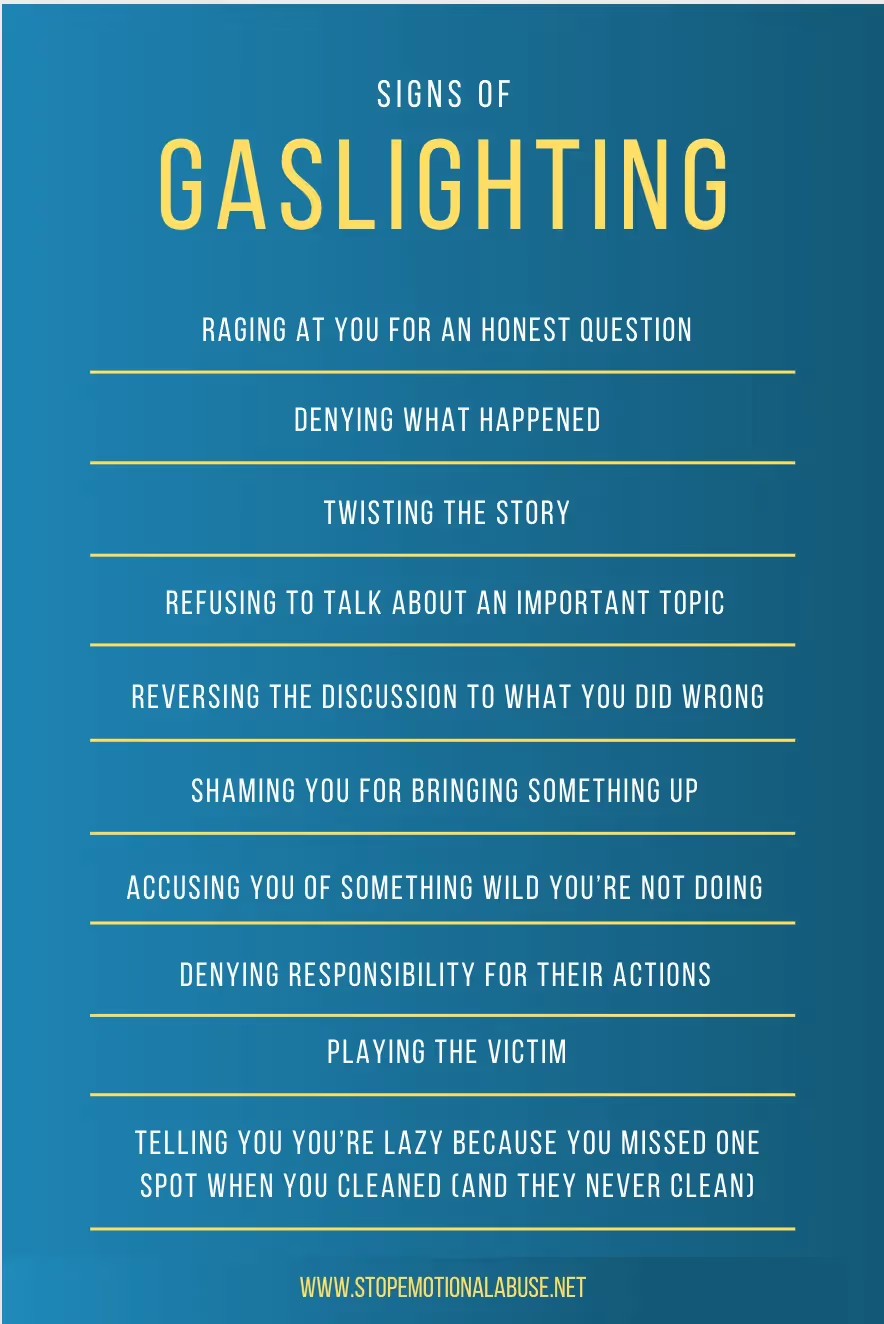
We all have thoughts and feelings based on experiences. It is our body's way of intuitively communicating to us what we are needing whether it is validation, emotional safety, accountability, closure, etc. When we are gas lit, we become accustomed to not listening to our intuition and instead, trusting the blanket statements of somebody else.
100% of the time our intuition is correct when it comes to our feelings, so let's try and practice what is called 'mindful cognitive challenging' by listening to the physical feelings and emotions that our intuition gives us when we have a particular experience. The better we get at this coping tool, the less likely we are to succumb to gaslighting whether it is from a partner, friend, boss and so on.
If you've tried everything and you're still not sure how to help your codependent husband, it may be time to seek professional help. This is a big decision, but it may be the best thing for your husband and your relationship. If you're not sure where to start, you can talk to your husband's doctor or mental health professional. They will be able to provide you with more information on codependency and how to help your husband.
If you are having serious marriage problems, you may want to seek professional help. This can be in the form of marriage counseling or therapy. Therapy can also be helpful for couples dealing with marriage problems. This type of therapy is often called couple's therapy.
Some common marriage problems include communication difficulties, financial stress, and infidelity.
In order to improve your communication with your spouse, you need to be open to change.This means being willing to change the way you communicate, as well as the way you think about and handle conflict.It is also important to be patient when communicating with your spouse. This means taking the time to listen to what they have to say and trying to understand their point of view. Lastly, it is important to be respectful when communicating with your spouse. This means using kind words and avoiding put-downs or criticisms. When you are open to change, you can learn new ways of communicating that can improve your marriage.
There are many trust-building activities that you and your partner can do together. Some examples include sharing your deepest fears, revealing a secret, or taking turns being blindfolded and leading each other around.