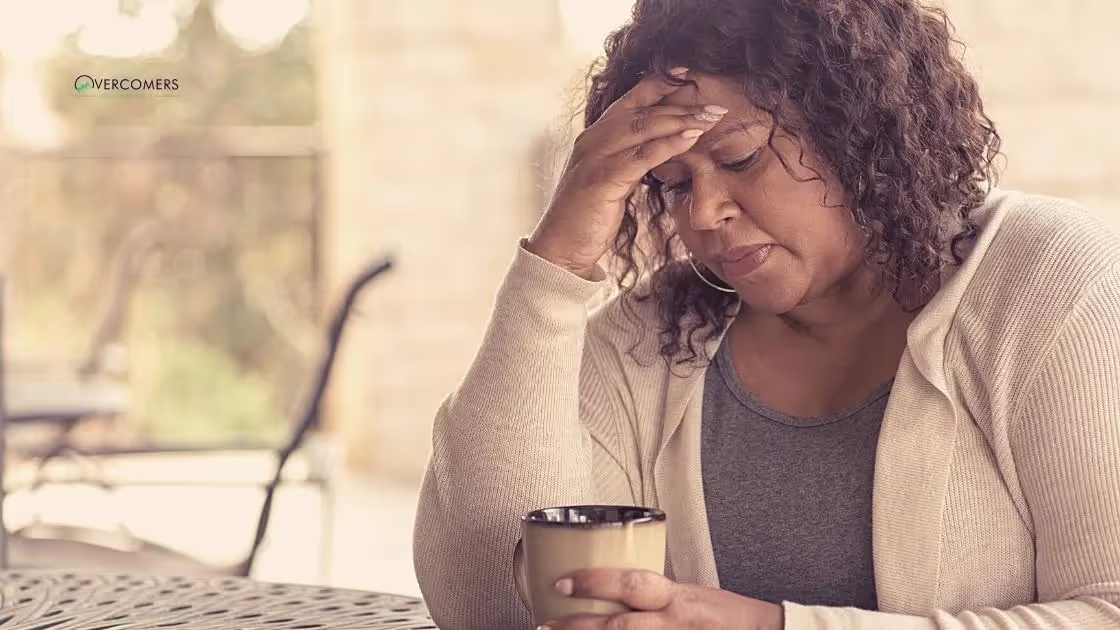
You've probably heard the word depression, but you might still be unsure how depression affects you. The symptoms of depression may be subtle and be hard to...

You've probably heard the word depression, but you might still be unsure how depression affects you. The symptoms of depression may be subtle and be hard to notice at first.
How depression affects you can vary from person to person. People who experience depression typically see a reduction in their enthusiasm for the activities that they usually enjoy. This can result in not only emotional changes but physical changes as well.
While how depression affects you might vary, people typically see changes in sleeping patterns, changes to eating patterns, loss of the ability to focus or concentrate, a lack of motivation, a decrease in interest in activities and hobbies, self-isolation, decreased libido, a lessened affect or expressiveness, among others.
If you or someone you love is showing these symptoms, you may be affected by depression. Unfortunately, one of the effects of Depression is a loss of motivation. This means that depression can often cause people to lack the motivation to treat it.
However, treatment is the best and most proven way to lessen the effects of Depression.
Before you seek treatment you may want to better understand the effects of depression.
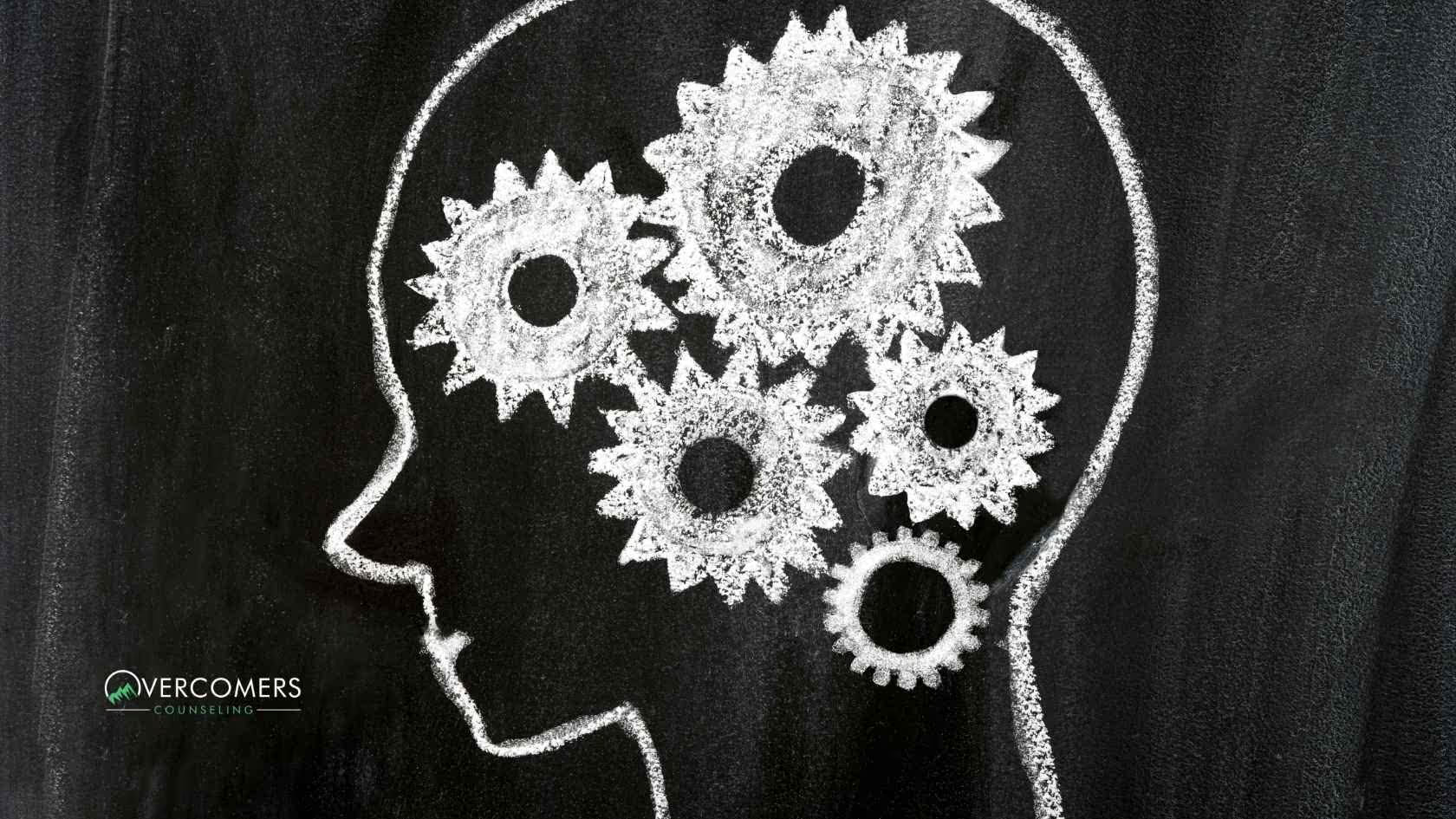
Because depression begins in your brain, it can affect all three parts of yourself: your mind, your emotions, and your body.
It is, however, important to remember that the effects of depression can vary from person to person. That means you may be experiencing some of these effects of depression, but not all.

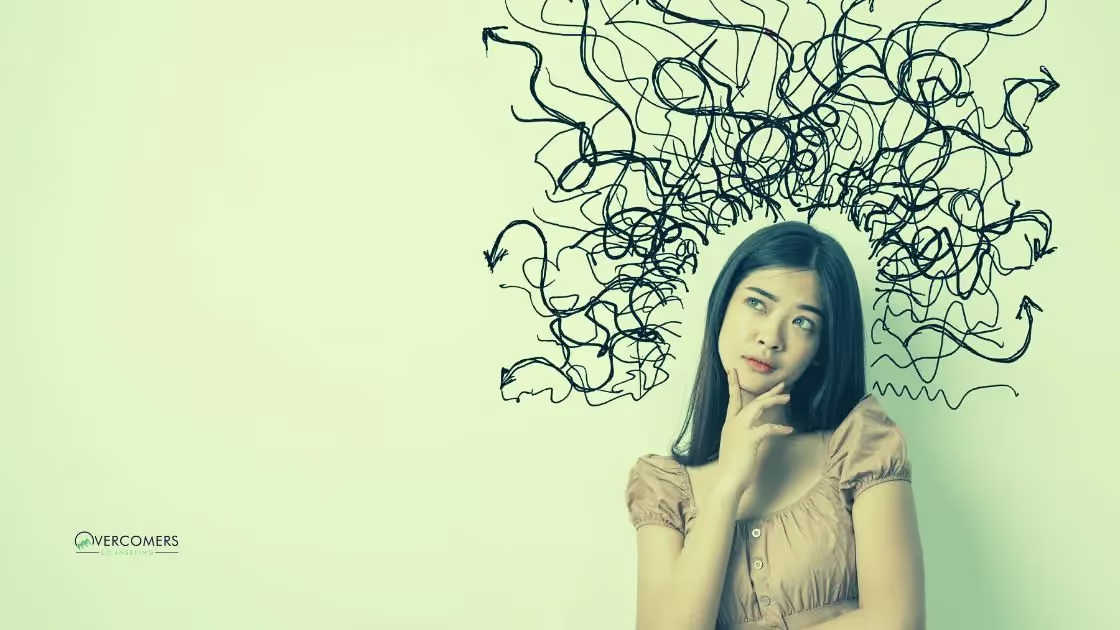
Most people experience the effects of depression on their mind. This typically presents as a change in cognitive abilities. This can present as a noticeable brain fog or a decreased ability to think clearly.
Similarly, depression may also affect your ability to concentrate or focus. These effects of depression could affect your ability to work. If you're having trouble paying attention during meetings or focusing on tasks at work, that may be an effect of depression.
Depression may lead you to feel outside of your body, as if your mind and body are no longer connected to each other. You may find yourself blaming yourself for these feelings or these issues which is why it's important to understand that they're effects of depression.
Once you understand that, it may be easier to avoid blaming yourself and seeking the help that you need.
The second major effect of depression may be on your emotions. This typically presents as a deadening of feelings, emotions, or motivation. This may cause you to become an emotional dropout: someone who experiences a lack of emotion for the people, events, and things that they typically care about.
This increase in apathy might also cause you to self-isolate. You may find yourself avoiding people and activities that you usually enjoy.
If you find yourself unable to leave bed, the couch, or your home - that might be an effect of depression. It could also be an effect of depression if you have trouble meeting social obligations or going to work.
This might also present as a lack of enthusiasm about events in your life. An engagement, a birthday, a birth, or a promotion might not give you the same sense of pride or excitement that it typically would.
This could also include hobbies or activities that you have typically enjoyed. A sudden change in interests or enthusiasm for interests can be an effect of depression.
The final major effects of depression are on your body. We tend to think of depression as mostly affecting our mind or our emotions. However, most frequently, the effects of depression also happen to our body.
The physical effects of depression most typically include changes in appetite, sleep, and weight. Changes in appetite may include a loss of appetite, but also a loss of interest in food. This can cause a loss of enjoyment when eating.
However, changes in appetite can also shift in the opposite direction. You may find food is the only thing that excites you. Or, you may be using food to mask your symptoms. Depression may also cause weight loss or weight gain depending on how the depression affects your appetite.
Another effect of depression may be on your sleep patterns. Like appetite, changes in sleep patterns can go in both directions.
You may find yourself unable to get out of bed or sleeping much more than you typically do. However, you may also notice yourself sleeping too little or experiencing insomnia. If you're noticing any changes in your sleeping patterns, that might be an effect of depression.
Now that you understand the effects of depression, you may have a better understanding of whether you're suffering from it or not.
If you've noticed any of the effects of depression on your mind, emotions, or body then don't worry.
There are many excellent treatment options available and knowing is the first step to lessening the effects of depression.
Therapy can help with many types of depression, including major depressive disorder, persistent depressive disorder (dysthymia), seasonal affective disorder, postpartum depression, and depression related to life transitions or grief. Your therapist will tailor treatment to your specific needs.
What is the goal of depression counseling?
Living with depression can feel like walking through thick fog every day, where the world looks muted and it’s hard to find your way. The goal of counseling isn’t to instantly make the fog disappear. It’s to give you a powerful flashlight so you can find your path again. Depression counseling helps you better understand your symptoms of depression, identify what’s contributing to them, and learn healthier ways of coping.
We work together to help you understand what's behind the fog, rediscover your sense of purpose, and rebuild your life, one step at a time. We believe in your capacity to feel joy again.
How can counseling help me get my life back?
When you're dealing with depression, even the smallest tasks can feel like climbing a mountain. Counseling helps you build the skills and stamina to make that climb. Through evidence-based approaches such as cognitive behavioral therapy (CBT), we help challenge unhelpful thought patterns and behaviors that reinforce depression.
We'll help you challenge the negative thought patterns that weigh you down and find ways to re-engage with your life. Treating depression is not about perfection; it’s about progress and learning how to support yourself with compassion.
Can therapy really help with depression?
Yes! Therapy is one of the most effective ways to treat depression. Research consistently shows that depression therapy—especially CBT—is effective for depression, including major depressive disorder and persistent depressive disorder.
We'll help you navigate the difficult emotions and challenge the unhelpful beliefs that are holding you back. You are not alone in this fight, and we'll be there to support you every step of the way.
What if I don't feel motivated to go to counseling?
We get it. Depression often drains motivation, energy, and hope. A lack of motivation is itself a common symptom of depression—not a failure. You don’t have to feel “ready” to start. Just showing up is enough. We’ll meet you where you are and move at a pace that feels manageable.