Many of us know what anxiety feels like, but what does What is the Amygdala? The amygdala is a walnut-shaped part of the brain responsible for processing...

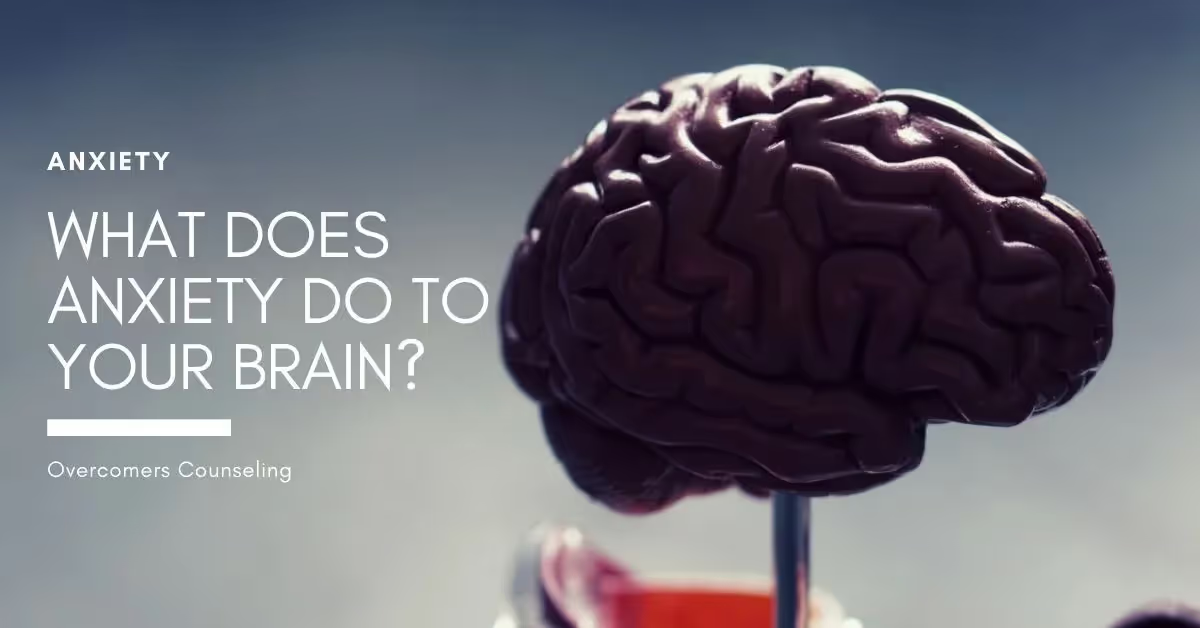
Many of us know what anxiety feels like, but what does
The amygdala is a walnut-shaped part of the brain responsible for processing and interpreting sensory signals that enter the brain. For instance, when anxiety is detected, the amygdala will communicate that person should feel stress or fear. While it is certainly important to have the amygdala as a structure in the brain, it can work overtime if someone is especially anxious. It may start to perceive too many minor instances as a threat, thus creating overthinking and other anxious behavior.
It is believed that the amygdala actually stores away anxious memories that may ultimately play a role in the development of anxiety disorders. It is the hippocampus that is responsible for embedding those memories into the amygdala. Because stress can shrink the hippocampus, and stress can be generated by anxiety, the types of memories that exist are linked to anxiety-related memories.
It has long been understood that prolonged anxiety and stress can have a physical impact on the body. For instance, someone who struggles with anxiety throughout their life may be prone to heart disease or a weakened immune system. The brain is not exempt from harmful impacts. Recent research suggests that chronic anxiety can cause structural degeneration to the hippocampus and prefrontal cortex. Such damage could make a person more susceptible to developing dementia or mild cognitive impairment.
Fortunately, some experts believe that the damage caused to the brain due to anxiety may be repaired if the individual reduces the amount of anxiety that they deal with daily. Because brains have plasticity, there may be some ability to rejuvenate those areas of the brain that are impacted.

Anxiety can come in a variety of forms for people. It is believed that some people experience anxiety as a way to sound the alarm when they are participating in behavior or decision-making that may pose a risk to the person. Other experts believe that anxiety exists when a person's irrational thought patterns make them see everything as a threat.
No matter which school of thought you believe, the truth is that consistent anxiety can be detrimental for a person's health and overall wellbeing. While it's typical for people to feel anxious during certain situations, it becomes an issue when anxiety is an everyday occurrence that impedes on your ability to function or live normally.
There are many options when it comes to managing anxiety. Depending on the severity of the condition, some people may be able to make lifestyle changes such as proper diet and exercise or removing yourself from high-stress situations. For others, it may be necessary to speak to a cognitive therapist.
Anxiety is a common condition that many people manage successfully. However, it is critical to understand just how much anxiety can impact the body and the brain so that you may find the best treatment options. Understanding anxiety and its overall impacts on your health is the first step toward overcoming it and finding a treatment that works for you.
Asking if you can get rid of anxiety is like asking if you can get rid of all the clouds in the sky. It's an emotion that's always going to be there to a degree. The goal isn’t to eliminate it entirely but to learn how to manage it so it doesn’t control your life. We'll work together to help you build resilience, giving you the power to face stressful situations without being overwhelmed. You can live a full and vibrant life, even with anxiety, and we’re here to help you take control.