Many of us know what anxiety feels like, but what does What is the Amygdala? The amygdala is a walnut-shaped part of the brain responsible for processing...

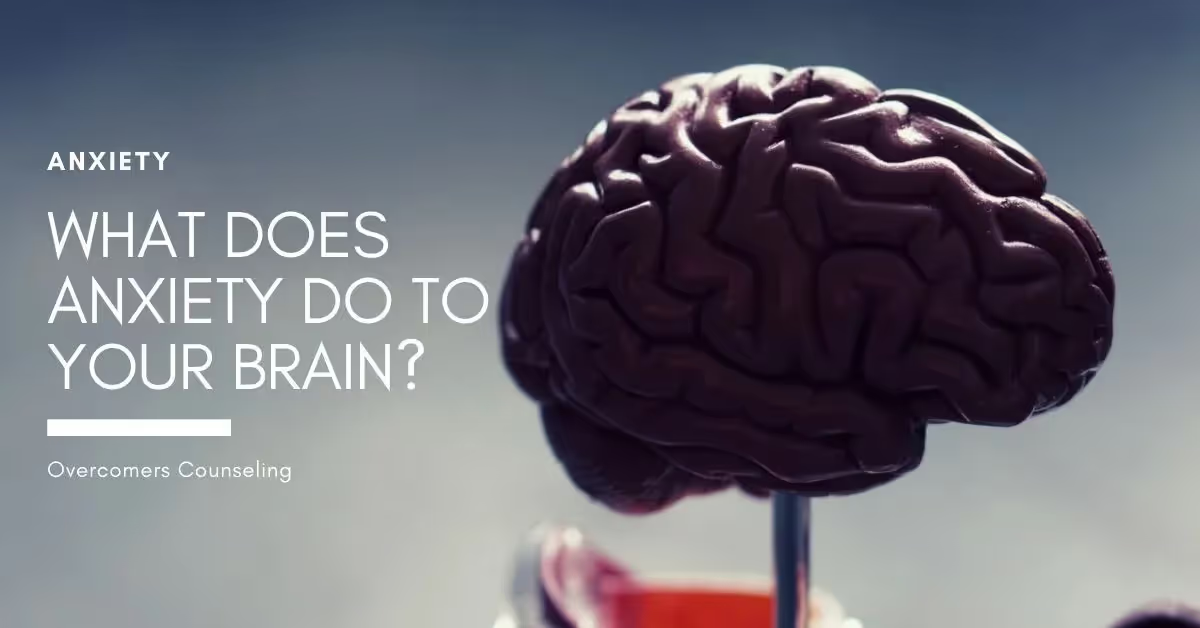
Many of us know what anxiety feels like, but what does
The amygdala is a walnut-shaped part of the brain responsible for processing and interpreting sensory signals that enter the brain. For instance, when anxiety is detected, the amygdala will communicate that person should feel stress or fear. While it is certainly important to have the amygdala as a structure in the brain, it can work overtime if someone is especially anxious. It may start to perceive too many minor instances as a threat, thus creating overthinking and other anxious behavior.
It is believed that the amygdala actually stores away anxious memories that may ultimately play a role in the development of anxiety disorders. It is the hippocampus that is responsible for embedding those memories into the amygdala. Because stress can shrink the hippocampus, and stress can be generated by anxiety, the types of memories that exist are linked to anxiety-related memories.
It has long been understood that prolonged anxiety and stress can have a physical impact on the body. For instance, someone who struggles with anxiety throughout their life may be prone to heart disease or a weakened immune system. The brain is not exempt from harmful impacts. Recent research suggests that chronic anxiety can cause structural degeneration to the hippocampus and prefrontal cortex. Such damage could make a person more susceptible to developing dementia or mild cognitive impairment.
Fortunately, some experts believe that the damage caused to the brain due to anxiety may be repaired if the individual reduces the amount of anxiety that they deal with daily. Because brains have plasticity, there may be some ability to rejuvenate those areas of the brain that are impacted.

Anxiety can come in a variety of forms for people. It is believed that some people experience anxiety as a way to sound the alarm when they are participating in behavior or decision-making that may pose a risk to the person. Other experts believe that anxiety exists when a person's irrational thought patterns make them see everything as a threat.
No matter which school of thought you believe, the truth is that consistent anxiety can be detrimental for a person's health and overall wellbeing. While it's typical for people to feel anxious during certain situations, it becomes an issue when anxiety is an everyday occurrence that impedes on your ability to function or live normally.
There are many options when it comes to managing anxiety. Depending on the severity of the condition, some people may be able to make lifestyle changes such as proper diet and exercise or removing yourself from high-stress situations. For others, it may be necessary to speak to a cognitive therapist.
Anxiety is a common condition that many people manage successfully. However, it is critical to understand just how much anxiety can impact the body and the brain so that you may find the best treatment options. Understanding anxiety and its overall impacts on your health is the first step toward overcoming it and finding a treatment that works for you.
Other activities which have been found helpful in reducing both immediate feelings of anxiousness and long-term anxieties associated with chronic disorders include yoga, journaling, nature walks, art therapy, volunteering, and other low-stress activities. Additionally, developing a healthy lifestyle incorporating adequate sleep, physical activity, and nutritious meals can help reduce overall stress levels.
Yes, Medicaid provides insurance coverage for therapy services specifically designed to help individuals struggling with anxiety, depression, and other mental health conditions.
We all get a little anxious sometimes—like a sudden jolt of nerves before a big presentation or a first date. But if that nervous feeling has become a constant companion, like an uninvited roommate that won’t leave, it might be time for counseling. Signs that it's more than a passing worry include persistent fear, difficulty sleeping, or avoiding situations that trigger your anxiety. We understand how exhausting this can be. We can work together to help you get your living space back.
Think of anxiety counseling as your personal guide to untangling a complicated knot of thoughts and fears. While it may feel impossible right now, you have the power to conquer it. We'll give you a toolkit of strategies, from understanding what's triggering your worry to practicing deep breathing exercises that calm your nervous system. Through counseling, you'll learn to recognize your thought patterns and challenge them, so you can stop being a passenger in your own life and start being the one in the driver’s seat.
The most effective approach to treating anxiety is like finding the perfect pair of shoes—what works for one person might not work for another. However, a common and effective therapy is Cognitive Behavioral Therapy (CBT). It helps you identify negative thought patterns and behaviors that feed your anxiety. We also use other approaches, like exposure therapy, to help you gradually face your fears in a safe and supportive way. We'll help you find the right fit for your unique needs.