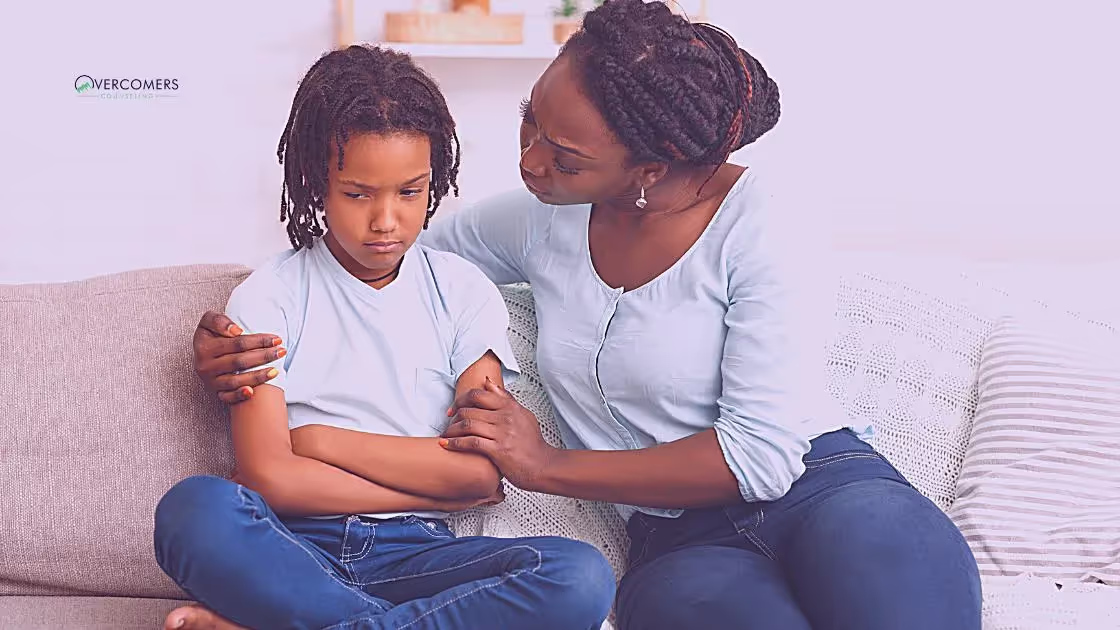
Grief is a painful thing to handle. To properly take care of your friends and family members in grief you should first empathize and then try to take extra...


Grief is a painful thing to handle. To properly take care of your friends and family members in grief you should first empathize and then try to take extra steps toward revitalizing their lives. There are many ways to gradually add fun into the life of a grieving person like getting them to go hiking which has been touted as having very healing effects on grieving people. You could suggest a vacation that offers a change of pace and environment as well as creates a chance to connect with others. Grief therapy also helps because it involves people with the expertise to handle grief. These are just part of a list of things to do to gradually add fun to the life of a grieving person. Read the rest of the article for more.
The often undiluted and confusing emotions that come with grief more times than not leave people in a state far from where they normally used to be. Some can shake off the funk by themselves but others may require external help. Therapy is highly recommended for people who are grieving. The help of a professional expert who has studied and has useful insight into the human experience is a lifeboat for plenty of people who may find themselves drowning in their grief. Everyone's grief is unique to them and so is the time they take to get back some sense of balance. The influx of entangled raw emotions when grieving is something therapists are trained to handle. This is why recommending therapy to a loved one in mourning can help them a lot. Therapy can help people work through their trauma, accept the loss of a loved one, work through possible feelings of guilt and build a support system that will help them cope. The greater the inability to deal with the despair of grief, the more the need for therapy. Friends and family can do a lot, but sometimes there is only so much they can do.
Many believe and attest personally to the healing power of nature. Hiking is an activity that provides a bit of fun while helping with the healing process. Hiking clears the mind and brightens one's mood. It can prove to be a sort of walking meditation acting as an exercise for the body and mind. Distance and pace are not important factors for such hikes. The important thing is getting the grieving person to do an activity that helps them. The change of pace and environment can be quite calming and a great interlude to normalcy for a person in grief. The serene hike environments are great incubators for reflection. Hiking has a lot of pros. It is fun, it helps bring some balance to a person in grief, it improves cognitive functioning, helps improve quality of sleep, helps with insomnia, eases depression, and can provide a supportive community (in the case of grieving people who opt to go as a group).
Travel provides some escape from the blunt force of grief. Travel is a great way to add fun to the life of a grieving person. It is also healing. Grief can call for isolation and answering such a call makes people sink deeper into grief. Traveling comes with new experiences and adventures which can take away some of the attention a grieving person might have used to dwell on their situation. Travel lets grieving persons change the pace of their lives for the better. It puts them in contact with others and socialization is a good mood booster better than grief-imposed-isolation. Traveling comes with relaxation and reflection making it a great way to add fun to the life of a grieving person. Some travels are done to pay tribute to the memories or wishes of loved ones who have passed away. Such travels involve going to the favorite places of loved ones or places they talked about wanting to go when they were alive. These travels are very therapeutic.

Creating things had a way of being fun and lifting moods. Art therapy provides a way to express the overwhelming pain brought on by grief. Art therapy could be photography, dance, music, making scrapbooks, pottery, paintings, decorating things, wood and stone carving, cloth making, etc. These things could be about a loved one or may be abstract, but either way, it is good for a person in grief. Art therapy has always existed. Many men have channeled grief and created art(famous and unknown ones). However, it was not until the 1940s that it became a formal practice after doctors noticed that people living with mental conditions expressed themselves with art. This discovery lead to art therapy being tried in other ways as a healing exercise. One does not have to have the dexterity of Picasso to take part in art therapy. There is no good or bad art in art therapy. The goal of art therapy is expression. This hopefully translates to healing. The lack of strict requirements is part of what makes art therapy a great way to add fun to the life of a grieving person.
A good movie can help with emotional relief and understanding. It is an easy way to add fun to the life of a grieving person. Good movies on grief can be used to help grieving people comprehend the feelings they are passing through. They provide momentary distractions. Movies on grief help most children who are going through grief and have a little handle on what to think of all the pain. These kinds of movies help people get attuned to bottled-up emotions. Many have confessed about such movies push them to cry their hearts out and feel better afterward having released some of their grief. The movies need not be about grief. The most important thing is for the person in grief to enjoy it no matter the genre.
Grief knocks people off their saddles and leaves them in the dirt. The best and only thing people in grief can do in this case is to dust themselves up and get back in the saddle. This is easier said than done. But there are a few ways to gradually add fun to the life of a grieving person. Some of the ways are grief therapy, hiking, travel, art therapy, and movies.
https://whatsyourgrief.com/self-care-ideas-for-grievers/
https://www.goodtherapy.org/learn-about-therapy/issues/grief
https://bearfoottheory.com/benefits-of-hiking/
https://www.jewelrykeepsakes.com/art-therapy-and-grief
https://www.cinematherapy.com/birgitarticles/griefandhealing.html
Yes. Grief does not follow a timeline, and unresolved grief can resurface months or even years later. Grief counseling can help you process lingering emotions, make sense of your loss, and develop healthy coping strategies—no matter how much time has passed. Many people seek grief and loss counseling when they realize their grief is still affecting their daily life, relationships, or sense of peace.
Grief counseling and bereavement counseling are closely related and often used interchangeably. Both focus on helping individuals process loss and navigate the grieving process. Bereavement counseling typically refers specifically to grief after the death of a loved one, while grief counseling can also address other losses, such as divorce, miscarriage, loss of identity, or major life changes. A grief therapist will tailor support based on your unique experience and needs.
Grief can feel like a huge, overwhelming wave that just won't go away. The goal of counseling isn’t to make the wave disappear, but to teach you how to surf it. Grief counseling focuses on helping you move through the grieving process in a healthy, supported way—without pressure or judgment.
We work together to help you process your emotions, understand the stages of grief, and find a way to honor your loved one while still living your own life. Through grief therapy and bereavement counseling, many people find renewed stability and meaning, even after profound loss.
Grief is a deeply personal journey, and there’s no right or wrong way to do it. It’s a bit like a fingerprint—it's unique to you. You might feel a mix of sadness, anger, guilt, or even relief, and that's all okay. Grief and loss can affect emotions, sleep, focus, and even physical health—and all of these responses are valid.
There's no timeline or checklist for grief, and we want you to know that whatever you're feeling is valid. We provide a safe, non-judgmental space for you to process your emotions. Some people also benefit from grief support groups or additional supportive services alongside individual counseling.
After a loss, it can feel like your whole world has been turned upside down. Counseling helps you find your footing again. Grief counselors help you develop coping strategies, express emotions safely, and rebuild a sense of purpose at your own pace. We believe that healing is possible and that you can find a way to live a full and meaningful life, even in the midst of your pain.