If you're someone who experiences anxiety when flying, you're not alone. While many people feel anxious when they fly, up to 40% of flyers experience some...

If you're someone who experiences anxiety when flying, you're not alone.
While many people feel anxious when they fly, up to 40% of flyers experience some form or another.
While it may not be possible to completely eliminate all anxiety-inducing thoughts and feelings, there are things that can be done to manage them.
Below are some tips on how to deal with flying anxiety.
The first step is to understand the source of your anxiety.
It may be the result of a traumatic experience, such as a bad turbulence encounter or an emergency landing.
Or it could be that you're simply afraid of the unknown.
Regardless of the cause, it's important to understand that your anxiety is real and that it's OK to feel afraid.
Once you've identified the source of your anxiety, you can begin to take steps to cope with it.
If you're worried about turbulence, for example, try to fly during times when bad weather is less likely.
And if you're worried about the unknown, do some research on flying and airplanes before your trip.

One option is to talk to a doctor or therapist about your fears.
This can help you to understand your anxiety and develop coping mechanisms.
A medical professional will take the time to understand your specific situation and offer ideas.
If you decide to see a therapist, they can also provide you with guidance on how to deal with anxiety in general.
There are also many books and online resources that offer tips on how to deal with flight anxiety.
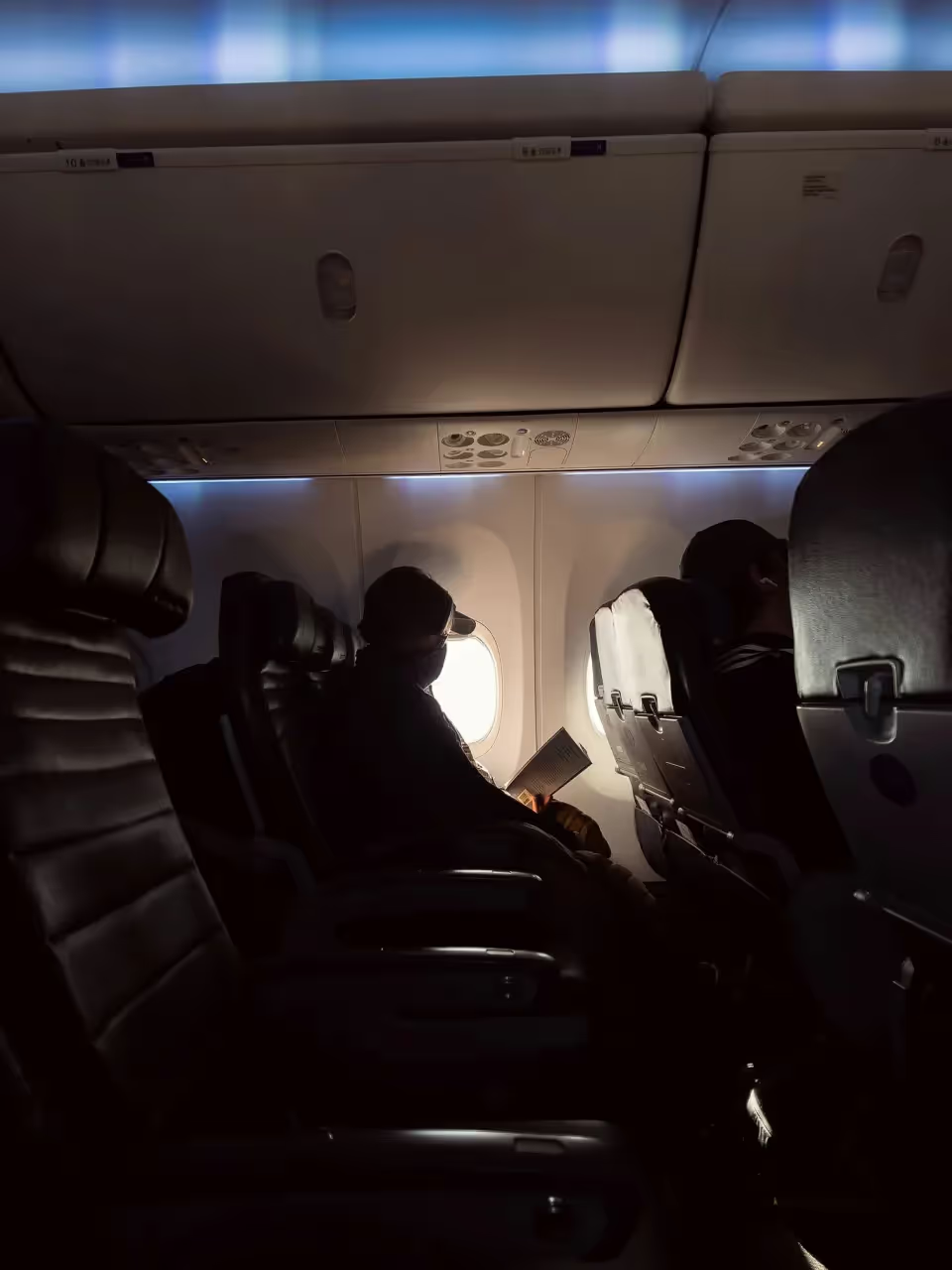
Deep breathing exercises are a great way to calm nerves and ease anxiety.
Practice them before your flight so that you're familiar with the techniques.
Then, when you're feeling anxious during the flight, take some deep breaths and focus on relaxing your body.
You may also want to try other relaxation techniques, such as meditation or progressive muscle relaxation.
Caffeine and alcohol are stimulants that can make anxiety worse.
So, it's best to avoid them before flying.
If you normally drink coffee or tea in the morning, switch to decaf varieties a few days before your flight.
And if you like to have a drink in the evening, have something else instead, such as water or juice.
Sitting in one spot for a long time can make anxiety worse.
So, if you're starting to feel anxious on the plane, get up and walk around.
Go to the bathroom, stretch your legs, or take a lap around the cabin.
If you're worried about feeling anxious on the plane, bring along some distractions.
Reading a book or magazine can help take your mind off of your anxiety.
And listening to music or watching a movie can also help to keep you calm.
Some other distractions you can consider while flying are:
People who are anxious about flying can bring along distractions to help ease their anxiety.
This is one way to help deal with flight anxiety.
One key to coping with this anxiety is to make sure that you are well rested before your flight.
Flying when you are tired can magnify the stress of the experience and make it more difficult to cope with.
There are a few things that you can do to make sure that you get a good night's sleep before your flight.
First, avoid drinking caffeine in the afternoon or evening.
Second, establish a bedtime routine that will help you to relax and feel ready for sleep.
Finally, try to avoid watching television or working on your laptop in bed.
Since these types of activities tend to stimulate the brain, you should consider avoiding them if possible.
By following these simple tips, you can help ensure that you'll be well-rested and ready to face your flight ultimately helping you deal with flight anxiety.
Flying can be an anxiety-inducing experience for many people.
But by understanding the source of your anxiety and taking steps to manage it, you can help make the experience more enjoyable.
With some planning and preparation, you can help deal with your flight anxiety and make flying a more enjoyable experience.
Other activities which have been found helpful in reducing both immediate feelings of anxiousness and long-term anxieties associated with chronic disorders include yoga, journaling, nature walks, art therapy, volunteering, and other low-stress activities. Additionally, developing a healthy lifestyle incorporating adequate sleep, physical activity, and nutritious meals can help reduce overall stress levels.
Yes, Medicaid provides insurance coverage for therapy services specifically designed to help individuals struggling with anxiety, depression, and other mental health conditions.
We all get a little anxious sometimes—like a sudden jolt of nerves before a big presentation or a first date. But if that nervous feeling has become a constant companion, like an uninvited roommate that won’t leave, it might be time for counseling. Signs that it's more than a passing worry include persistent fear, difficulty sleeping, or avoiding situations that trigger your anxiety. We understand how exhausting this can be. We can work together to help you get your living space back.
Think of anxiety counseling as your personal guide to untangling a complicated knot of thoughts and fears. While it may feel impossible right now, you have the power to conquer it. We'll give you a toolkit of strategies, from understanding what's triggering your worry to practicing deep breathing exercises that calm your nervous system. Through counseling, you'll learn to recognize your thought patterns and challenge them, so you can stop being a passenger in your own life and start being the one in the driver’s seat.
The most effective approach to treating anxiety is like finding the perfect pair of shoes—what works for one person might not work for another. However, a common and effective therapy is Cognitive Behavioral Therapy (CBT). It helps you identify negative thought patterns and behaviors that feed your anxiety. We also use other approaches, like exposure therapy, to help you gradually face your fears in a safe and supportive way. We'll help you find the right fit for your unique needs.