One of the many questions we often ask ourselves is "How many calories does anxiety burn?"

An anxiety attack can burn roughly a few dozen extra calories above what your body would burn at rest — the exact number depends on your weight, the attack's intensity, and how long it lasts. It's not a meaningful way to manage weight, but the racing heart, rapid breathing, and muscle tension of a panic response do temporarily raise your metabolic rate. If anxiety attacks are a regular part of your life, that's worth addressing with support — not tracked on a fitness app.
During an anxiety attack, your body reacts as though it's facing real danger. Your heart rate increases, your breathing speeds up, and your muscles tense — all part of the fight-or-flight response. Those physical reactions require energy, which is why an attack can technically burn a small amount of extra fuel. But the number is modest, and it comes at a real physiological cost: elevated stress hormones, poor sleep, and exhaustion afterward. If you're dealing with frequent anxiety attacks, the goal isn't to burn calories — it's to reduce how often they happen.

An anxiety attack is a sudden wave of intense fear or dread, often paired with physical symptoms like a pounding heart, dizziness, chest tightness, and shortness of breath. In more severe episodes, people describe feeling like something is seriously wrong with their body — even like they're having a heart attack. Anxiety attacks are one of the more common reasons people search for an anxiety therapist, and they can happen with or without a clear trigger.
There's no exact number that applies to everyone, because three main factors shape the total: your basal metabolic rate (the baseline energy your body uses just to function), the severity of the attack, and how long it lasts. A longer, more physically intense episode will burn more than a brief one, but none of these factors make anxiety attacks a productive or healthy way to expend energy.
Your basal metabolic rate (BMR) is the number of calories your body needs for basic functions like breathing, cell repair, and circulation — and it's the biggest factor in how many calories any activity burns, anxiety attacks included. BMR is commonly estimated using the Harris-Benedict equation, which differs slightly for men and women and factors in weight, height, and age.
More severe attacks — ones involving intense physical symptoms like a racing heart, shaking, or hyperventilating — burn more energy than milder episodes. Duration matters just as much: an attack that lasts two hours will generally burn more than one that lasts fifteen minutes, even if the shorter one felt more intense in the moment.
For those curious about the rough math, a standard formula is: Duration (minutes) × (MET × 3.5 × weight in kg) ÷ 200. This gives a ballpark estimate at best — it's not a clinically validated measurement, and it shouldn't be used as a substitute for understanding or managing your anxiety.
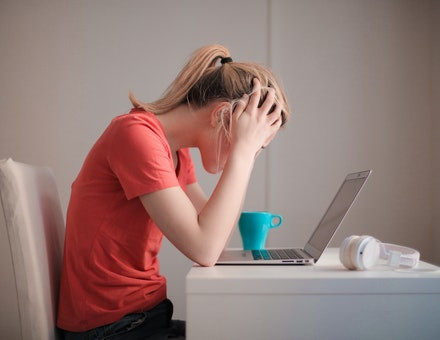
Anxiety attacks can show up differently from person to person, but common symptoms include a racing heartbeat, dizziness, an intense sense of dread, tightness in the chest, chills, headache, mild difficulty breathing, tense muscles, and fear that something is seriously wrong. If these symptoms are showing up often, it's worth talking with a professional rather than waiting for them to pass on their own.
Anxiety attacks don't always have one clear cause. For some people, they follow a specific stressor — a loss, an accident, ongoing conflict, or substance use. For others, attacks seem to happen without an obvious trigger, which can feel especially unsettling. People navigating a substance use disorder may also experience anxiety attacks more frequently. Whatever the cause, working with a therapist who understands your anxiety patterns can help you identify what's driving your attacks and build a plan around it.
When your body perceives danger, it releases stress hormones — primarily adrenaline and cortisol. Adrenaline is what causes the sweating, racing heart, and heightened alertness you feel in the moment. Cortisol adds to that by releasing stored energy, which is part of why anxiety attacks can leave you feeling drained and sore once they pass — your body essentially prepared for a threat that never fully materialized.
Yes. While anxiety isn't something that simply disappears overnight, most people see significant improvement with the right combination of therapy, coping strategies, and support. Many people go on to manage their anxiety so effectively that it no longer disrupts daily life.
The cortisol released during an attack gives you a temporary surge of energy and alertness — part of your body's fight-or-flight response. Once the perceived threat passes and the symptoms fade, that energy surge drops off, often leaving you feeling tired or even physically sore.
Not necessarily. Anxiety doesn't automatically worsen as you get older, though middle-aged adults tend to report higher rates of anxiety attacks than other age groups.
Most anxiety attacks peak and subside within a matter of minutes to a couple of hours, though lingering anxious feelings can stretch longer. In rare, more severe cases, symptoms can persist for an extended period.
Yes. Chronic anxiety can contribute to physical symptoms and, over time, take a toll on overall health — particularly for people already managing other health conditions. This is one reason addressing anxiety early tends to lead to better outcomes.
Frequency varies widely. Some people experience an anxiety attack occasionally, while others deal with them multiple times a month. If attacks are becoming more frequent, that's a sign it may be time to talk with an anxiety specialist about a treatment plan.
Other activities which have been found helpful in reducing both immediate feelings of anxiousness and long-term anxieties associated with chronic disorders include yoga, journaling, nature walks, art therapy, volunteering, and other low-stress activities. Additionally, developing a healthy lifestyle incorporating adequate sleep, physical activity, and nutritious meals can help reduce overall stress levels.
Yes, Medicaid provides insurance coverage for therapy services specifically designed to help individuals struggling with anxiety, depression, and other mental health conditions.
We all get a little anxious sometimes—like a sudden jolt of nerves before a big presentation or a first date. But if that nervous feeling has become a constant companion, like an uninvited roommate that won’t leave, it might be time for counseling. Signs that it's more than a passing worry include persistent fear, difficulty sleeping, or avoiding situations that trigger your anxiety. We understand how exhausting this can be. We can work together to help you get your living space back.
Think of anxiety counseling as your personal guide to untangling a complicated knot of thoughts and fears. While it may feel impossible right now, you have the power to conquer it. We'll give you a toolkit of strategies, from understanding what's triggering your worry to practicing deep breathing exercises that calm your nervous system. Through counseling, you'll learn to recognize your thought patterns and challenge them, so you can stop being a passenger in your own life and start being the one in the driver’s seat.
The most effective approach to treating anxiety is like finding the perfect pair of shoes—what works for one person might not work for another. However, a common and effective therapy is Cognitive Behavioral Therapy (CBT). It helps you identify negative thought patterns and behaviors that feed your anxiety. We also use other approaches, like exposure therapy, to help you gradually face your fears in a safe and supportive way. We'll help you find the right fit for your unique needs.