There is a time in everyone's life when they feel the sting of loss and sorrow. It can result from the passing of a loved one or simply from adjusting to a...

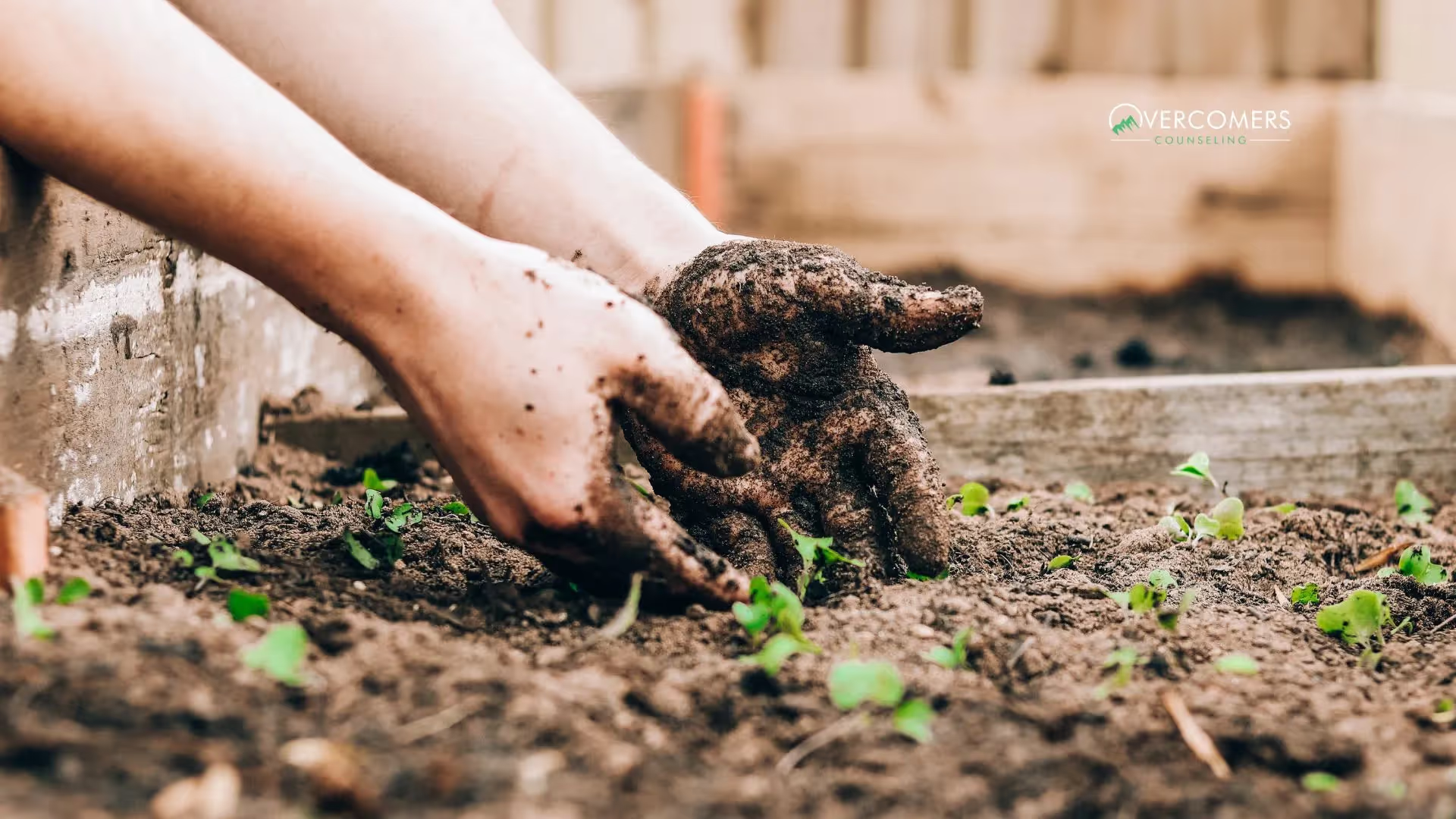
There is a time in everyone's life when they feel the sting of loss and sorrow.
It can result from the passing of a loved one or simply from adjusting to a new way of life.
The grieving process is a lengthy ordeal, but there are ways to alleviate feelings and find solace in the meantime.
Gardening is a great way to take things slow and enjoy the world around you.
Planting seeds, tending to their growth, working with the seasons, and experiencing nature's life and death cycle all contribute to the process of healing.
Gardening can help deal with loss by improving your emotional well-being and your physical health.
One way gardening can help deal with loss is by reducing anxiety.
Most people experience an increased level of anxiety after experiencing a loss.
Gardening has a calming effect on people, and it can help lower anxiety levels.
Self-neglect is one of the human reactions to loss or grief.
The attention and care required in gardening can help you learn to practice self-care too.
Also, gardening can help you reduce stress levels.
Being around nature always has a peaceful and relaxing effect on people.
Read on to learn more about how gardening can help deal with loss.
There is some evidence that the loss of a loved one can either exacerbate preexisting anxiety disorders or trigger new ones.
Anxiety can manifest itself in numerous ways, some of which include excessive worrying, negative thought patterns, worry, and even panic attacks.
If you're experiencing anxiety, gardening can help deal with loss through practicing mindfulness.
Mindfulness involves staying in the here and now by focusing on the sounds, sights, and smells around you.
Spending time outdoors has been shown to reduce rumination-related neural activity in the subgenual prefrontal cortex and increase emotion regulation.
This helps in alleviating the aforementioned symptoms.
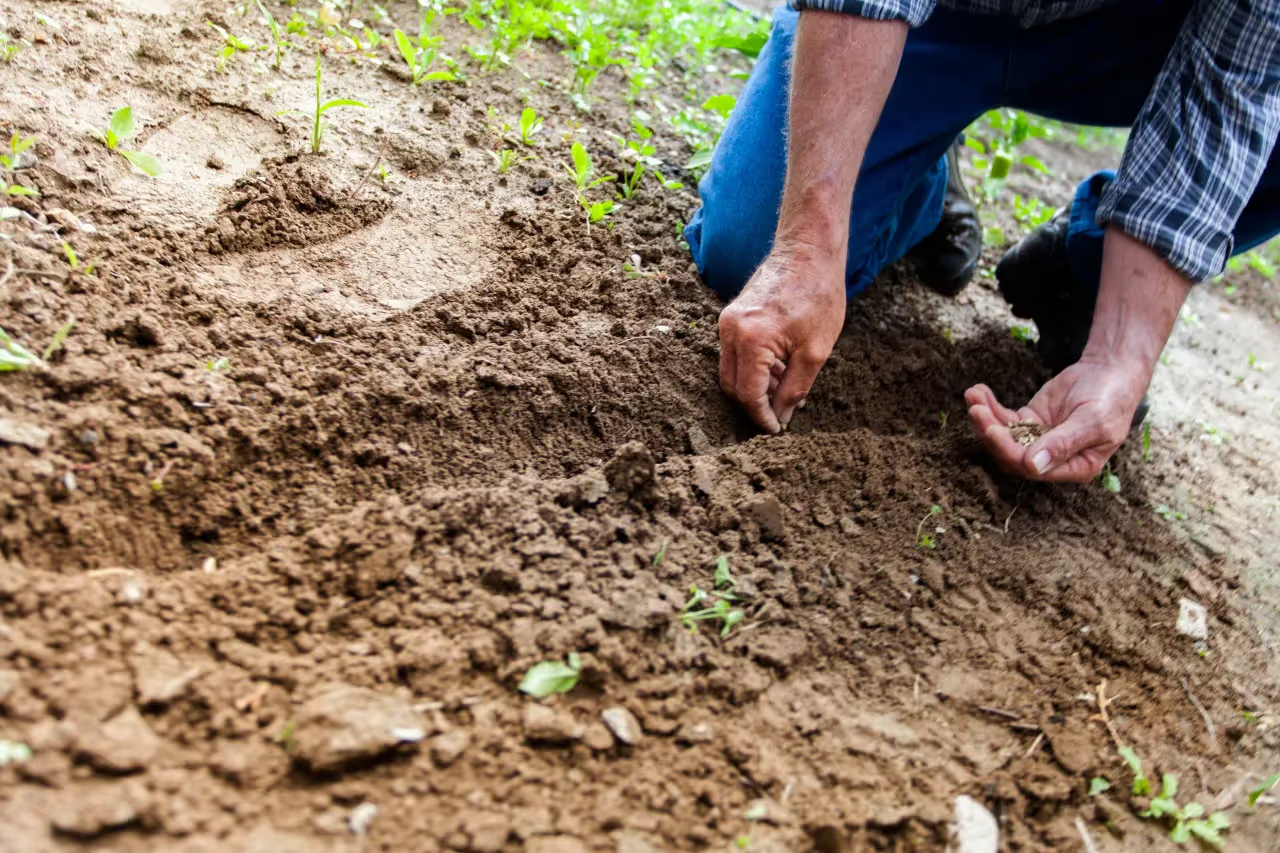
The loss of a loved one is widely recognized as one of the life experiences that can put a person through the greatest amount of emotional strain.
Growing plants in your own yard are one of the most effective ways to alleviate stress during difficult times, such as bereavement.
Gardening can reduce stress levels during any stressful time in your life.
According to a recent study, the stress levels of individuals who garden on a daily basis are 4.2% lower than those of individuals who do not garden at all.
Gardening is a great activity for redirecting one's attention away from one's internal monologue and onto the immediate tasks at hand, which can help one feel better.
Many people report feeling less stressed after spending time near plants.
There's truth to the adage that one can find the purest passageway to inner peace in the great outdoors.
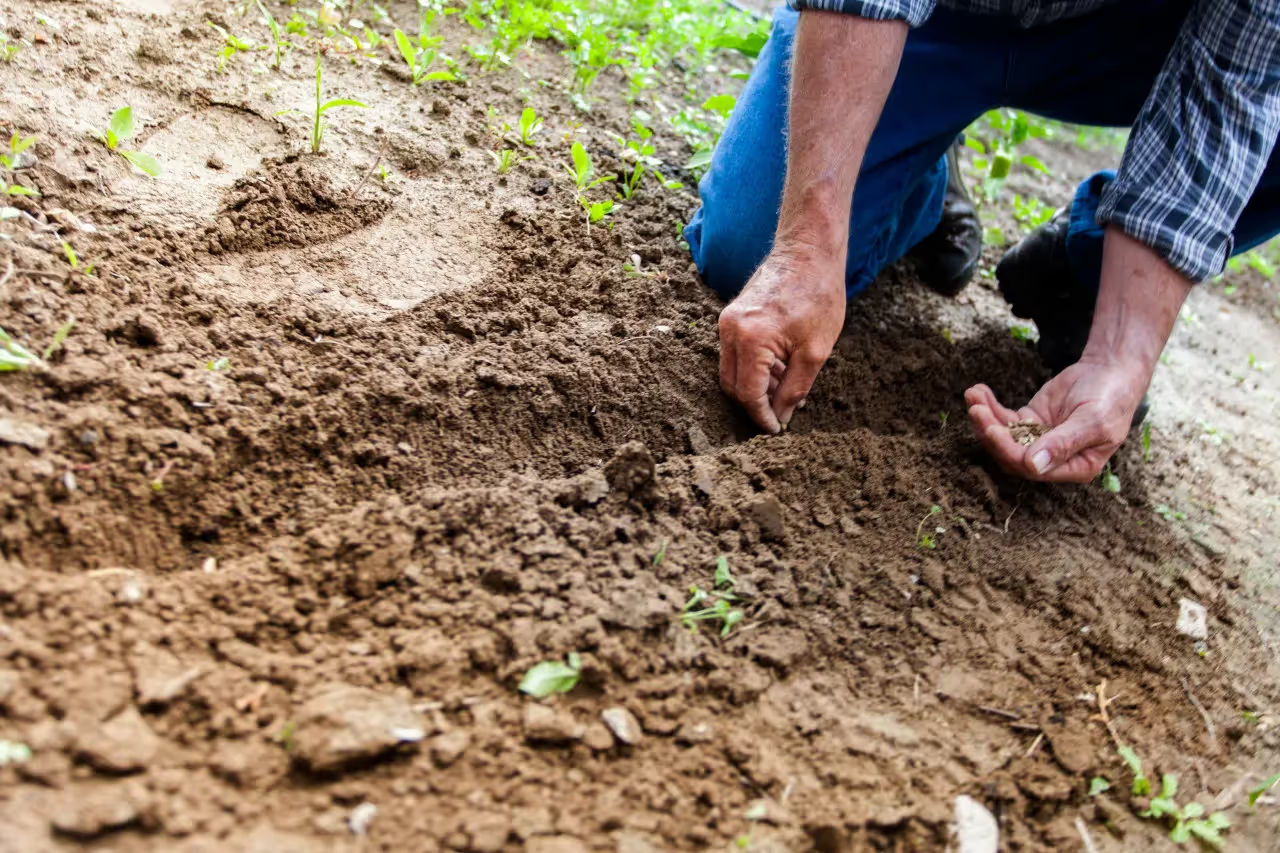
There are a lot of similarities between grieving and working in a garden.
The following are some of the ways that gardening can assist us in working through the pain of loss and grief that we experience in our lives.
Every part of gardening or any work in the garden requires a specific sequence of important steps to be followed.
Without taking these steps, the flowers or plants in question will either perish or wither away.
These steps are essential to the life and growth of any plant.
As we tend to our gardens, we can also learn to take care of ourselves and become better gardeners.
It is essential for a garden's growth to receive nourishment in the form of water, sunlight, and fertilizer.
In addition, the plant must be pruned and weeded in order to achieve its full potential.
Cooperation among gardeners is essential for the success of any communal gardening project.
Increased social connections and a stronger support system are two ways in which group members can improve mental health.
Finding others who share your passion for gardening can be a good way to break out of your shell and forget about your sadness and loneliness.
Particularly if the loss is the result of the death of someone or a change in your life, this can be a comforting thought in the midst of a time of transition.
When people get together to tend gardens, it can instill a sense of duty in each participant.
An obligation to do something that will make you feel good once you're done.
So many people have memorial gardens to honor their loved ones who have passed on.
Not only will memorial gardens help to grieve people heal, but these gardens also represent their way of keeping the deceased close to their hearts.
Memorial gardens honor the dead but also keep them alive in our hearts.
Taking care of seedlings and then watching them flourish is a reassuring ritual that makes the sweat and effort worthwhile.
Also, the life cycles of plants and flowers can help you learn about life and death.
The gardens vary in complexity, with some featuring intricate pathways, stepping stones, and even waterfalls.
After a loss of a loved one, many people find solace in tending to their gardens.
It's important to note that even for the most enthusiastic gardener, gardening is not a quick fix for all.
Gardening can help deal with loss by helping to reduce anxiety, lowering the stress hormone, helping you learn to take care of yourself, encouraging social bonds, and providing a means to create and tend to a memorial garden for your loved one.
Yes. Grief does not follow a timeline, and unresolved grief can resurface months or even years later. Grief counseling can help you process lingering emotions, make sense of your loss, and develop healthy coping strategies—no matter how much time has passed. Many people seek grief and loss counseling when they realize their grief is still affecting their daily life, relationships, or sense of peace.
Grief counseling and bereavement counseling are closely related and often used interchangeably. Both focus on helping individuals process loss and navigate the grieving process. Bereavement counseling typically refers specifically to grief after the death of a loved one, while grief counseling can also address other losses, such as divorce, miscarriage, loss of identity, or major life changes. A grief therapist will tailor support based on your unique experience and needs.
Grief can feel like a huge, overwhelming wave that just won't go away. The goal of counseling isn’t to make the wave disappear, but to teach you how to surf it. Grief counseling focuses on helping you move through the grieving process in a healthy, supported way—without pressure or judgment.
We work together to help you process your emotions, understand the stages of grief, and find a way to honor your loved one while still living your own life. Through grief therapy and bereavement counseling, many people find renewed stability and meaning, even after profound loss.
Grief is a deeply personal journey, and there’s no right or wrong way to do it. It’s a bit like a fingerprint—it's unique to you. You might feel a mix of sadness, anger, guilt, or even relief, and that's all okay. Grief and loss can affect emotions, sleep, focus, and even physical health—and all of these responses are valid.
There's no timeline or checklist for grief, and we want you to know that whatever you're feeling is valid. We provide a safe, non-judgmental space for you to process your emotions. Some people also benefit from grief support groups or additional supportive services alongside individual counseling.
After a loss, it can feel like your whole world has been turned upside down. Counseling helps you find your footing again. Grief counselors help you develop coping strategies, express emotions safely, and rebuild a sense of purpose at your own pace. We believe that healing is possible and that you can find a way to live a full and meaningful life, even in the midst of your pain.