Dealing with your own grief is a difficult task, but what about helping your partner through theirs? It's a valid concern to ponder how one may comfort a...

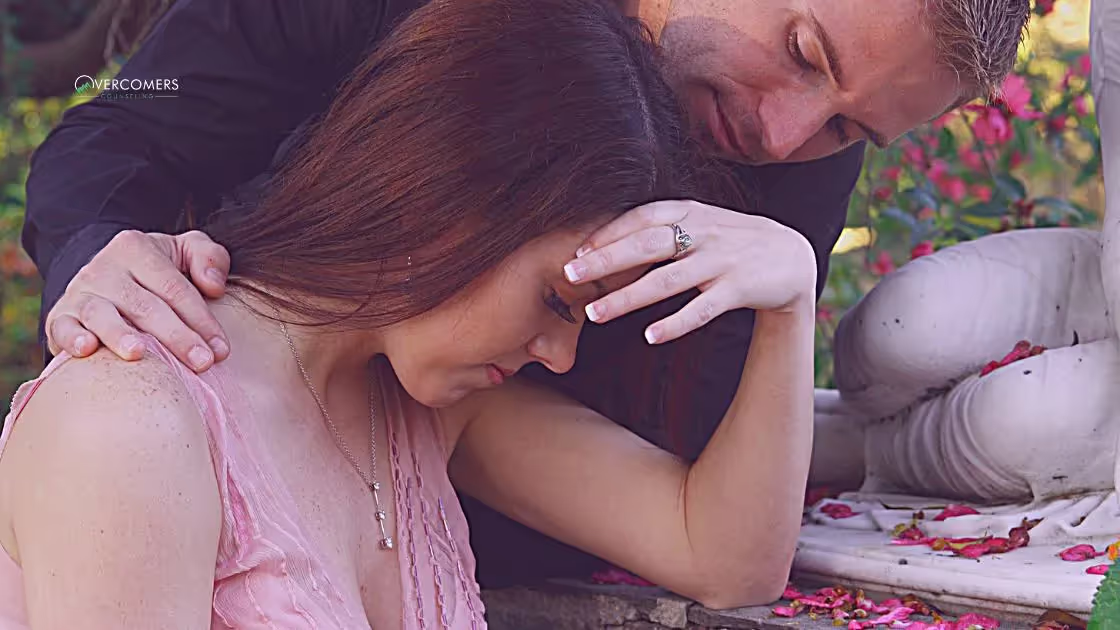
Dealing with your own grief is a difficult task, but what about helping your partner through theirs?
It's a valid concern to ponder how one may comfort a bereaved spouse or partner.
Since mourning is an individual experience, there is no definitive guidebook outlining proper protocol.
However, if handled poorly or without enough grief support, the reverse might happen, and a rift can form between you.
Some ways you can support your grieving partner involve encouraging them to communicate their feelings to you.
While you learn more about how they are feeling, you provide them a means to let out any pent-up emotions.
An important thing to remember is that grief doesn't have an end date.
Even your partner may not know how long it will take them to mourn their loss.
This is why giving them space, when needed, is also important.
Some people want to be cuddled when they lose a loved one; others just want space.
Read on to learn more about effective ways to support your grieving partner.
One of the most useful ways to support your grieving partner is to encourage them to have a conversation about their loss.
You need not be an expert on grieving or have all the answers to be supportive.
What you need to do is be there to listen when they're ready to talk.
Keep in mind that they may also have lost the person they shared everything with; therefore, they will need something to fill that void.
If you do not feel up to playing this position, it is crucial that you assist them in locating a suitable confidant.
Even if it helps things go more smoothly in the short term, nobody benefits from emotional repression in the long run.
Talking and sharing is one of the finest methods to go through their feelings and start to achieve a place of acceptance.
Experiencing loss is an individual experience with no predetermined timeline.
The time it takes to get over a loss is very individual; many individuals need a couple of months or years to heal, and some may need more or less.
You should not force your mourning partner to feel like they need to move on.
The healing process might be slowed down by this.
They will eventually quit sobbing every day.
And soon, life will go back to normal for them.
However, the pain of loss never fades away entirely.
To accept this and to see that there is usually more going on under the surface takes some maturity.
One way you can support your grieving partner is by being there for them while they work through their pain.
It's crucial to the success of a relationship, but don't expect it to be a breeze.
Handling sorrow or loss isn't something you need to do for other people; everyone grieves in their own way.
When a spouse wants to be alone, it's unproductive to try to coax them to do stuff or, generally, to overwhelm them with love and care.
There may be moments when your significant other wants to be alone and others when they need you to be there for them.
Don't bother them if they say they need some time to themselves
They only need to know that they can count on you to be there for them at any time.
Allow them the room and independence to do as they like.
Though it's understandable to want to comfort your spouse at a time of loss, doing so might be stifling if they need time alone to go through their feelings.
Just be there for them, even if it means giving them space, and hear them out as they share what they need and want from you at this trying time.
Also, grievers often benefit from being near those who understand what they're going through.

Another way to support your grieving partner is by helping them carry out various tasks that they have to do.
For example, if your partner is supposed to be the one making arrangements for the deceased, this is where you can step in.
This is because trying to organize a funeral or memorial service while you're still reeling from the loss of a loved one may be a terrible experience.
While some individuals may simply force themselves to concentrate, others may need a little more assistance putting the pieces together.
Assisting them in making decisions concerning the funeral will help reduce the burden they may be feeling.
Also, when your partner is grieving, don't rely on this person to do their fair share of chores around the home.
Don't feel like you have to shoulder all the housework by yourself just because of this.
What you can do is deal with the influx of well-intentioned offers of assistance.
Helping your spouse out by relieving some of their burdens is vital during these times.
The first step is to recognize how you can give emotional assistance to a grieving spouse or partner.
When someone is mourning, the emotional support they may get from their loved ones can make all the difference in their ability to recover.
One method to emotionally support your grieving partner is to sit and listen to their stories about the person they lost.
It might also be from often hearing the individual go over the details of the death of a loved one.
Being emotionally supportive also entails being available to your spouse even if they don't want to talk and respecting their desire for silence.
In a long-term relationship, it's likely that both parties may eventually lose a loved one, so learning how to support one another as best you can is essential.
After the death of someone dear, your partner will need more love, care, grief support, and understanding from you.
Some effective ways to support your grieving partner include encouraging them to communicate with you, keeping in mind that grief doesn't have an end date, letting them have space, helping put things together, and offering emotional support without judgment.
https://life-loss.com/how-to-support-your-grieving-spouse-or-partner/
https://hellorelish.com/articles/6-ways-to-comfort-your-partner-in-their-time-of-grief.html
https://trustandwill.com/learn/supporting-your-spouse-during-grief
https://www.gq.com/story/how-to-support-your-partner-through-grief/amp
Yes, we provide supportive counseling for family members who are struggling with the loss of a loved one. Our compassionate therapists can help you gain insight into your feelings and provide constructive strategies to cope with the pain of bereavement.
If you find yourself having difficulty managing daily activities due to lingering feelings associated with grief such as sadness, anger, guilt or numbness; then it might be beneficial for you to seek professional help through our Colorado Springs Grief Counseling services. Our therapists are trained in helping clients identify their needs and goals related to grieving.
It is not mandatory that all conversations revolve around the issue causing your grief but our therapists will provide guidance on how best to process the situation. You are in control of how much or little you want to share in a session, but it is important to stay open and honest with your therapist for optimal results.
The stages of grief, according to the Kübler-Ross model, include denial, anger, bargaining, depression, and acceptance. However, it's important to note that not everyone will experience all these stages, or in this order. Grief is a highly individual process.
Grief may feel worse at night because sleep disturbances are common during the grieving process. As nighttime falls, distractions diminish and we're left alone with our thoughts, which can make the loss feel overwhelming.