As we become more aware of the importance of mental health, it shouldn't surprise us that one of the top concerns is anxiety.Although it's normal to have...


As we become more aware of the importance of mental health, it shouldn't surprise us that one of the top concerns is anxiety.
Although it's normal to have some occasional anxiety, it isn't normal for it to stop us from living our lives to the fullest each day.
However, there are many people to whom this happens for a variety of reasons.
This is why it's important to understand your anxiety attack triggers.
It's important to make sure you maintain a healthy diet and don't skip any meals.
When you don't eat properly your blood sugar can go crazy.
Skipping a meal can cause your blood sugar to drop, making you feel jittery and anxious.
However, when you eat balanced meals you'll have energy and you won't feel nervous, anxious, or agitated.
Food also affects how your brain functions.
To produce more serotonin (the chemical in your brain that helps you feel calm) you need to eat protein and complex carbs.
It's also important to keep yourself hydrated.
Just like there are foods you want to include in your diet, there are also others that you want to abstain from.
One of the biggest culprits in people's diets is caffeine.
Although it's become a normal part of our lives, it's also one of the most common anxiety attack triggers for people.
Fortunately, this is an easy trigger to control.
For some people, it's a matter of reducing how much caffeine they drink each day.
For others, it means removing it from their diet altogether.
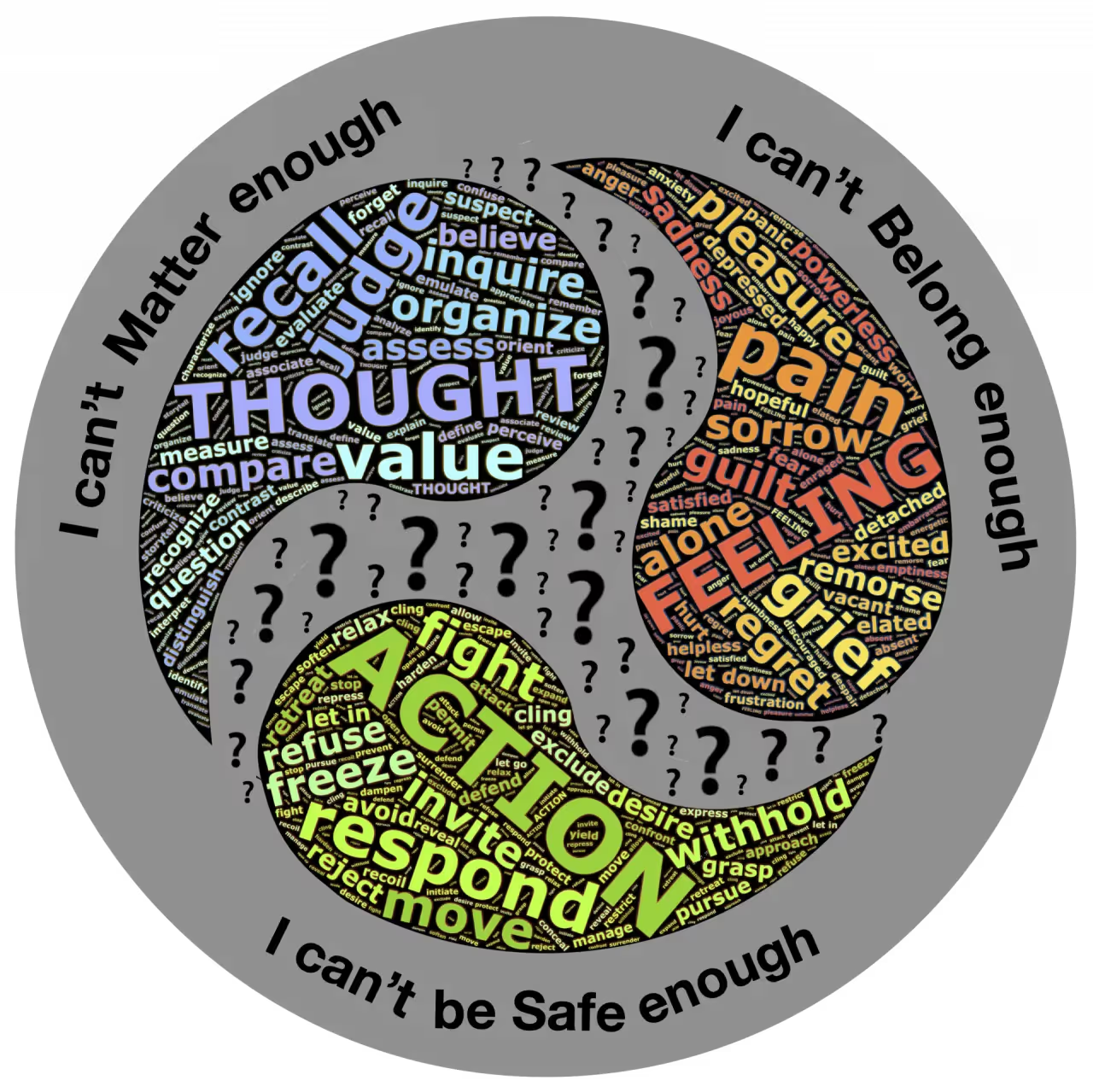
Many people are surprised to learn that their home and work environment may be one of their anxiety attack triggers.
Although these environments don't always cause stress if you already have issues with anxiety, they may make you feel worse.
When you're in a cluttered environment, you may subconsciously dwell on the fact that you need to clean things up a bit.
By taking a few minutes to tidy up your environment, you may start feeling better.
When you're at work you may also experience stress from those around you.
Although you'll need to deal with work stress occasionally, it shouldn't be a continuous part of your job.
Unfortunately, this is one of those anxiety attack triggers that are difficult to address.
If you can't change jobs, you can get help dealing with this trigger from a mental health professional.
Another important trigger here is environmental changes.
When you never know what to expect, this uncertainty can become all-encompassing.
If you're also meeting new people in this type of environment, your anxiety may be even more heightened.
If any of these environments are stressful for you, it's possible that you may make yourself feel worse.
Since you can't control stress, you can't control the anxiety that results from it.
Therefore it's vital for you to find the best way to reduce stress in your environment.
Not doing so will cause a vicious cycle.
Sometimes it's challenging to give ourselves an opportunity for self-care.
However, when you don't take care of your personal needs (e.g., skipping meals, not going to the doctor) seriously you're more likely to feel anxious.
One of the most common anxiety attack triggers here has to do with not getting enough sleep.
This can cause both mental and physical health issues, including anxiety.
By practicing good sleep hygiene (e.g., sticking to a sleep schedule, having a comfortable bedroom to sleep in) you may experience a tremendous improvement in your anxiety.
Sometimes you may engage in these forms of self-sabotage because of relationship issues (e.g., arguments, disagreements) that you don't want to face.
If this is why you're struggling to take care of yourself properly, you need to learn some conflict resolution strategies.
You should also talk to a therapist about the way conflict is negatively affecting your life.
Upsetting and challenging health diagnoses (e.g., cancer, chronic illness) is another common anxiety attack trigger.
This is a powerful trigger because it produces immediate, personal feelings.
The best way to reduce this anxiety is to work with your doctor.
However, they may prescribe a medication (e.g., birth control pills, weight loss medications, cough and congestion medications) that could also trigger your anxiety.
This is because the medication's ingredients can make you feel uneasy or unwell, setting you up for additional feelings of anxiety.
If you talk to your doctor about these anxiety attack triggers, they may be able to prescribe an alternative that won't make you feel so anxious.
There are many types of public events that may make you feel anxious.
One of the most common is social gatherings.
With this type of anxiety, it rarely matters who you're interacting with (e.g., friends, strangers, acquaintances) you may still feel anxious.
The best way to overcome these types of anxiety attack triggers is to work with a trained mental health professional to find a solution that works for you.
Another type of public event that may trigger your anxiety is speaking or performing in front of an audience.
Therapists can also help you learn ways to be more comfortable in these settings.
This is important if your job or hobbies require you to do this frequently.
Positive reinforcement from those around you can also improve your comfort and confidence in these settings.
Maybe you are extremely self-conscious when you're in these situations.
Heightened awareness of yourself will make you feel worse, though.
It can also make it more challenging to control your reactions and behavior in these situations.
Unfortunately, you're engaging in a type of self-sabotage here because focusing on yourself will bring on the anxiety that you fear since you can't escape from your preoccupations.
There are many anxiety attack triggers in our environment today.
What may trigger you may not trigger someone else.
By recognizing your triggers, you can work to keep your anxiety in check.
Our professionals are trained to help you identify and address your anxiety attack triggers.
If you're suffering from anxiety, we'd love to hear from you so we can help you feel less anxious.
Other activities which have been found helpful in reducing both immediate feelings of anxiousness and long-term anxieties associated with chronic disorders include yoga, journaling, nature walks, art therapy, volunteering, and other low-stress activities. Additionally, developing a healthy lifestyle incorporating adequate sleep, physical activity, and nutritious meals can help reduce overall stress levels.
Yes, Medicaid provides insurance coverage for therapy services specifically designed to help individuals struggling with anxiety, depression, and other mental health conditions.
We all get a little anxious sometimes—like a sudden jolt of nerves before a big presentation or a first date. But if that nervous feeling has become a constant companion, like an uninvited roommate that won’t leave, it might be time for counseling. Signs that it's more than a passing worry include persistent fear, difficulty sleeping, or avoiding situations that trigger your anxiety. We understand how exhausting this can be. We can work together to help you get your living space back.
Think of anxiety counseling as your personal guide to untangling a complicated knot of thoughts and fears. While it may feel impossible right now, you have the power to conquer it. We'll give you a toolkit of strategies, from understanding what's triggering your worry to practicing deep breathing exercises that calm your nervous system. Through counseling, you'll learn to recognize your thought patterns and challenge them, so you can stop being a passenger in your own life and start being the one in the driver’s seat.
The most effective approach to treating anxiety is like finding the perfect pair of shoes—what works for one person might not work for another. However, a common and effective therapy is Cognitive Behavioral Therapy (CBT). It helps you identify negative thought patterns and behaviors that feed your anxiety. We also use other approaches, like exposure therapy, to help you gradually face your fears in a safe and supportive way. We'll help you find the right fit for your unique needs.