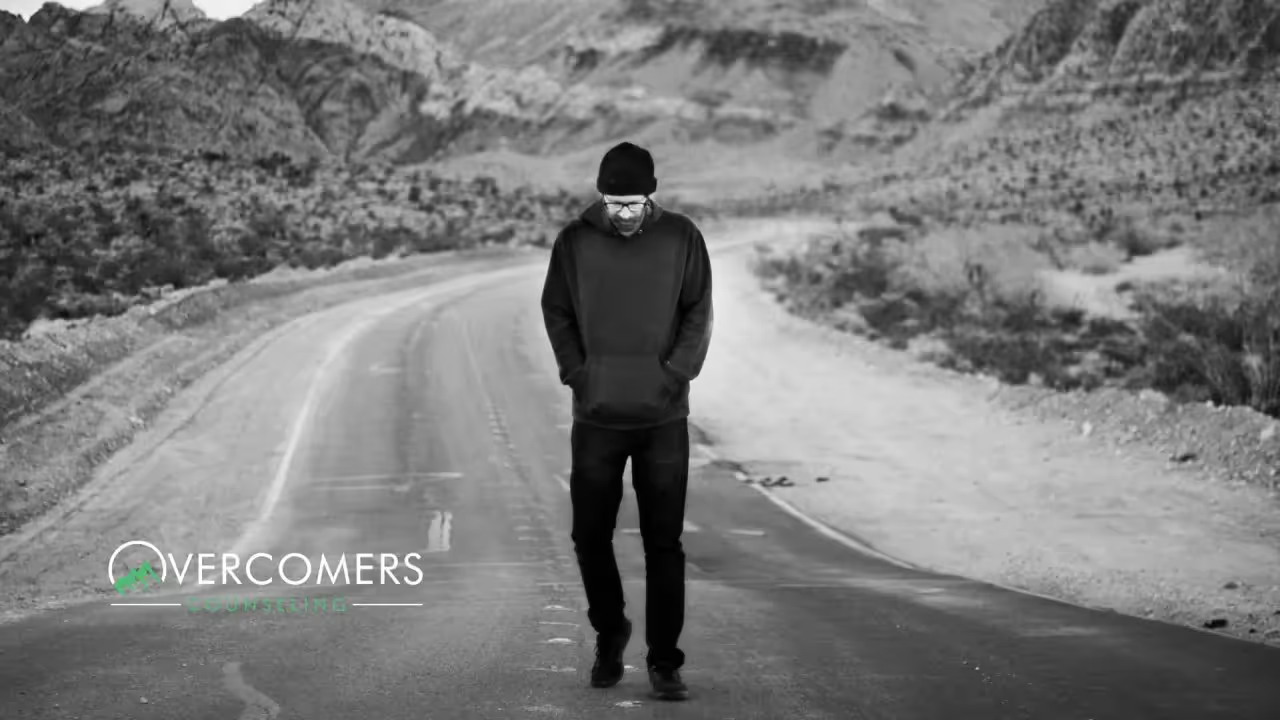
While trauma can explain why we might struggle with certain emotions and behaviors, it doesn't justify acting out in ways that hurt others.Using trauma to...


While trauma can explain why we might struggle with certain emotions and behaviors, it doesn't justify acting out in ways that hurt others.
Using trauma to avoid responsibility for poor behavior is not fair to those around us – our family, friends, or partners.
If you find yourself acting out due to your experienced trauma, it's important to take steps towards healing and developing healthier interpersonal relationships.
If you're on the receiving end of poor behavior from someone using their past trauma as an excuse, it's crucial to understand that you have a right to healthy relationships.
Abuse, whether from an abusive alcoholic, traumatized partner, narcissistic abuse, or physically abusive parent, is never acceptable.
Your primary responsibility is to your own wellbeing and mental health. It's okay to distance yourself from people who consistently hurt you, even if they are dealing with their own pain.

Life is a complex tapestry of joy, sorrow, triumph, and trauma. Some traumas, particularly those experienced in childhood, can leave a profound impact on our lives.
Childhood trauma, past trauma, or even the grief caused by death can shape our mental health, behaviors, and how we interact with the world.
However, it's crucial to understand that trauma is not an excuse for bad behavior.
Even if we have been victims of child abuse, neglect, or any other form of trauma, it does not give us free rein to cause physical pain or emotional suffering to others.

Therapy is a viable option that can help process traumatic experiences, manage emotions, and develop healthier behaviors. Our Colorado trauma counseling services include therapists who are trained in cognitive-behavioral therapy (CBT) and dialectical behavior therapy (DBT) and can provide effective treatment strategies.
Experiencing trauma, especially past traumas, can have profound effects on a person's life. It can shape how we think, act, and interact with others.
However, it's crucial to remember that causing harm or suffering to others, even if you experience trauma, is not justifiable.
Imagine a world where everyone uses their pain as an excuse to inflict pain on others - it would be a reality filled with anger and fear, rather than understanding and compassion.
Blaming our actions on past traumas might seem like an easy way out, but it doesn't lead to healing. In fact, it can further complicate the process of recovery.
Parents, therapists, and individuals affected by someone else's trauma must understand this truth.
It's important to practice empathy, but also maintain boundaries and not accept poor treatment as a norm. Instead of assigning fault to what happened in the past, focusing on the present reality and working towards healthier coping mechanisms is key.
This isn't impossible – with the right support, therapy, and sometimes addressing factors like addiction, healing can occur.
The field of psychology provides many tools and strategies to help people navigate their feelings and reactions after experiencing trauma, emphasizing the point that trauma should not be used as an excuse for treating people poorly.
While trauma can significantly impact a person's life, it should not be used as an excuse for causing harm or suffering to others. We all have a responsibility to treat each other with kindness and respect, and to strive for healthier relationships. Therapy is a valuable tool that can provide guidance and support along the path to healing. If you need help with this, please schedule a time to talk to a trauma therapist at Overcomer's Counseling as soon as you can.
What is the goal of trauma counseling?
Trauma can feel like you're carrying a heavy, invisible backpack full of painful memories. It's exhausting, and it can be difficult to move forward. The goal of counseling isn't to get rid of the backpack immediately. It's to help you gently unpack it, one item at a time, so you can feel lighter and more confident. Trauma counseling focuses on helping you safely process traumatic experiences, reduce distressing symptoms, and regain a sense of control over your life.
We believe you have the power to live a life that is full and rewarding, and we are here to help you get there.
How can a counselor help me with my trauma?
Trauma can feel like you're in a movie with a strange script and a set of rules that no one else can see. Counseling helps you find your footing in a world that can feel confusing and overwhelming. A therapist specializing in trauma is trained to help you understand how trauma affects the brain and body, including symptoms related to post-traumatic stress disorder (PTSD).
We work together to help you understand your thoughts and feelings, build a sense of self, and find a sense of peace and security. Trauma therapy may also support healing related to grief, loss, and therapy for grief and trauma that overlap after painful life events.
What are some common signs of trauma?
Trauma is a deeply personal journey, and there’s no right or wrong way to feel. It's a bit like a fingerprint—it's unique to you. You may feel a mix of sadness, anger, guilt, emotional numbness, or even fear. Other signs may include hypervigilance, difficulty sleeping, intrusive memories, avoidance, or feeling disconnected from others—especially after traumatic events.
We want you to know that whatever you're feeling is valid. We provide a safe, non-judgmental space for you to process your emotions. You are not alone in this, and we're here to help you every step of the way.
How do I begin to heal from my trauma?
Healing from trauma can feel like trying to fix a broken bone without a cast—it’s difficult and painful without the right support. We want to be your support. The healing process often begins by recognizing that what you experienced was overwhelming and that your reactions make sense.
We'll work with you to process the past trauma and find new ways to cope with the stress and fear. With the right trauma therapist and mental health care, healing is possible—even after complex trauma.