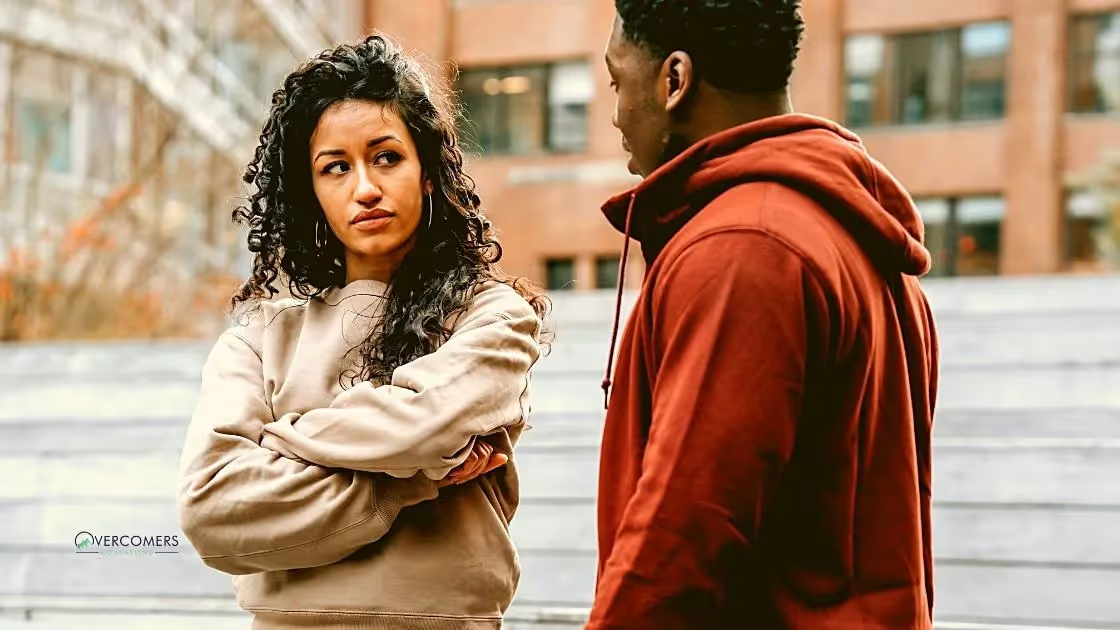
Expressing appreciation in a relationship is more than just good manners; it's the secret sauce that keeps love sizzling! Imagine your husband...


Expressing appreciation in a relationship is more than just good manners; it's the secret sauce that keeps love sizzling! Imagine your husband coming home after a long day, only to be greeted by genuine words of thanks and admiration. This simple act can transform his mood instantly and reinforce the bond between you two. Showing appreciation isn't just a nice-to-have; it's an essential ingredient for a happy, healthy partnership. Plus, who doesn't love hearing that they're doing a great job, especially from someone they adore?
Thanking him for specific actions, like tidying up, cooking dinner, or doing laundry, shows you notice and value his efforts. Be specific about what you're grateful for and offer genuine thanks instead of general comments.
Example - "Thank you for doing the dishes tonight. It means a lot to me and really helps to keep our kitchen clean and organized."
Whether it's a birthday, anniversary, or holiday, acknowledging the effort he puts into making these days special can mean a lot. This might include planning a celebration, buying thoughtful gifts, or organizing a memorable outing. It's important to let him know that his efforts are noticed and valued.
Example - "I really appreciate all the work you put into planning our anniversary celebration; it made the day unforgettable."
Unexpected gestures are great times to show your appreciation for your husband. These surprises show his thoughtfulness and care, making it a perfect chance to tell him you value his effort. Whether it's bringing home your favorite treat, planning a spontaneous date, or giving an unexpected gift, acknowledging these actions can strengthen your bond.
Example - "I really appreciate the surprise gift you brought me today. It was so thoughtful and made me feel special."
Verbal communication techniques are essential for effectively expressing appreciation and ensuring your message is clearly understood.
Here are some important aspects to consider:
Using clear and specific language - Being precise in your language helps convey your gratitude more effectively. Mention specific actions or behaviors that you appreciate.
Tone and body language - The way you say something can be just as important as what you say.
Use a warm and sincere tone, and complement your words with positive body language, such as smiling and making eye contact, to reinforce your message.
Timing your appreciation - Choose the right moment to express your gratitude. Offering words of appreciation during a quiet, relaxed moment can have a greater impact than doing so while rushing or during a stressful situation.
Appreciation notes and letters:
Taking the time to compose a thoughtful note or letter shows your husband how much you value him. The personal touch of a handwritten message can make a significant impact, as it signifies that you put effort into crafting something meaningful.
Text messages and emails:
In our busy modern lives, a brief message can significantly express gratitude. Sending a text or email throughout the day to recognize his efforts can boost his mood and remind him that he's on your mind.
Greeting cards for special occasions:
Birthdays, anniversaries, and Father's Day are great times to show appreciation with a thoughtful card. A card expressing thanks on these days can make the events even more special by showing how much he means to you.
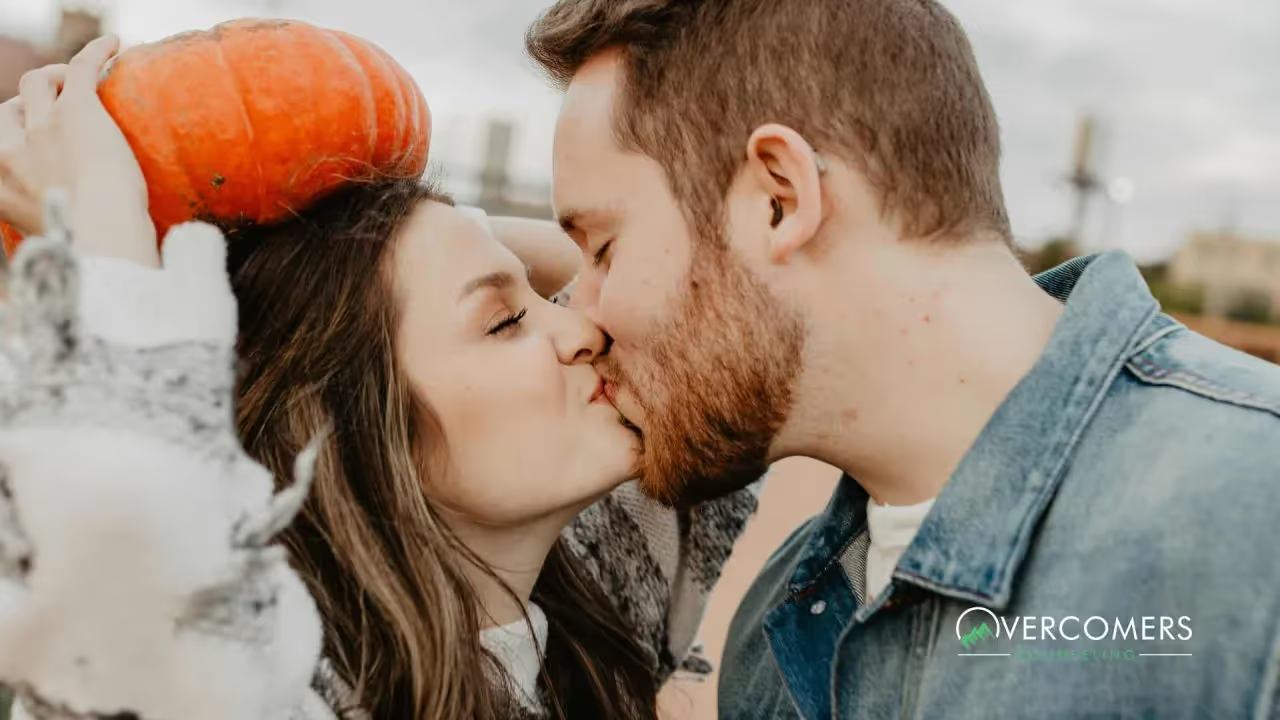
Encouraging mutual appreciation in a relationship can build a deeper connection and stronger bond. One way to do this is by starting conversations about appreciation. Talking about how both partners can show gratitude better opens up communication and understanding. This might include simple acts like thanking each other for daily tasks or recognizing unnoticed efforts. Setting shared goals for appreciation is another good strategy.
Agreeing to specific goals, like saying "thank you" more often, helps build a habit of gratitude. Celebrating milestones of appreciation can also reinforce positive actions and show the benefits of mutual recognition. Looking back on how appreciation has strengthened your relationship can motivate you to keep these practices, showing that small acts of gratitude can lead to deeper emotional closeness and satisfaction.
Encouraging mutual appreciation in a relationship can greatly improve connection and strengthen the bond between partners. Starting conversations about gratitude, setting goals for expressing thanks, and celebrating appreciation milestones can help couples make recognizing each other's efforts a regular habit. Simple acts like acknowledging daily tasks or unnoticed efforts can build a foundation for open communication and understanding.For couples looking to deepen their connection further, seeking professional help can be beneficial. Overcomers Counseling offers specialized couples therapy that can guide partners in developing healthy communication patterns and nurturing their relationships. Investing in such support can be a valuable step towards a more fulfilling and resilient partnership.
Overthinking can be caused by a variety of factors, such as past relationship experiences, anxiety, low self-esteem or insecurity, or simply a tendency towards perfectionism.
It's common for people to have occasional worries or doubts in their relationship. However, if you find yourself constantly overthinking or obsessing about your relationship to the point where it's affecting your daily life and causing you significant distress, it may be helpful to seek support from a therapist or counselor.
Yes! Communicating openly and honestly with your partner can help you gain perspective and understanding about any concerns or worries you may have. It can also help build trust and strengthen your bond as a couple.
Mindfulness is the practice of being present in the moment and focusing on what's happening right now. When we're caught up in overthinking, our minds are often stuck ruminating on the past or worrying about the future. Practicing mindfulness techniques like meditation or deep breathing exercises can help bring us back into the present moment and reduce feelings of anxiety and stress.
The time it takes to overcome overthinking will vary depending on each individual's situation. Some people may see improvement after just a few sessions with a therapist, while others may need more time to work through underlying issues that contribute to their overthinking patterns. The important thing is to be patient with yourself and stay committed to taking steps toward overcoming overthinking in your relationship.