Would you like to learn about how trauma in adulthood affects us? If so, keep reading! Trauma affects people in different ways.People react to it...

Would you like to learn about how trauma in adulthood affects us? If so, keep reading!
Trauma affects people in different ways. People react to it differently. They may also have various resulting problems. If you are an adult, chances are you have had at least one traumatic event. Perhaps it was a single event or one that happened over time. That is chronic trauma. Trauma in adulthood can involve either sexual violence or actual or possible death or serious injury. Traumatic events also include, but are not limited to: domestic violence, natural disasters, physical abuse, unexpected death, and house fires. We cannot discuss trauma in adulthood, though, without touching on trauma in childhood. In adulthood, one may not feel right and wonder why. Could it be because of an adverse childhood event? That would be the concept of repression. That is when the brain has pushed aside traumatic memories, which in turn lets someone move forward. It is important to process trauma to lead to a healthier lifestyle as your emotions matter. Examples of trauma specific to childhood would include school bullying; if a parent goes to prison, dies, or divorces the other; if a parent has a drinking problem; or if the child is abandoned or neglected.
Across the lifespan, identity formation occurs. In a broad sense, this allows people to figure out who they are. It also includes basic awareness of one's emotional state, feeling secure as an individual, and good self-esteem. What interferes with identity formation is that a person who has experienced trauma is busy practicing basic survival. People who had a secure and safe upbringing have an easier time with identity development.
With trauma involved, children can turn into adults with behavioral issues, eating disorders and substance abuse problems. That is especially true for those who have not worked through their trauma (we will discuss this process later in this article). Another problem in adulthood can be relationship avoidance, or isolation. People who have experienced trauma in adulthood, or earlier, seek to keep away from harmful relationships.
However, people need healthy relationships with others for change and growth. Due to trauma in adulthood, many adults may feel they need to be "better" to deserve relationships, but the truth is that they can offer more than they think! Humans are social beings, and that's why it is so important to regularly interact with others! People may also neglect their own self care, or ignore any opportunity to reflect on themselves.
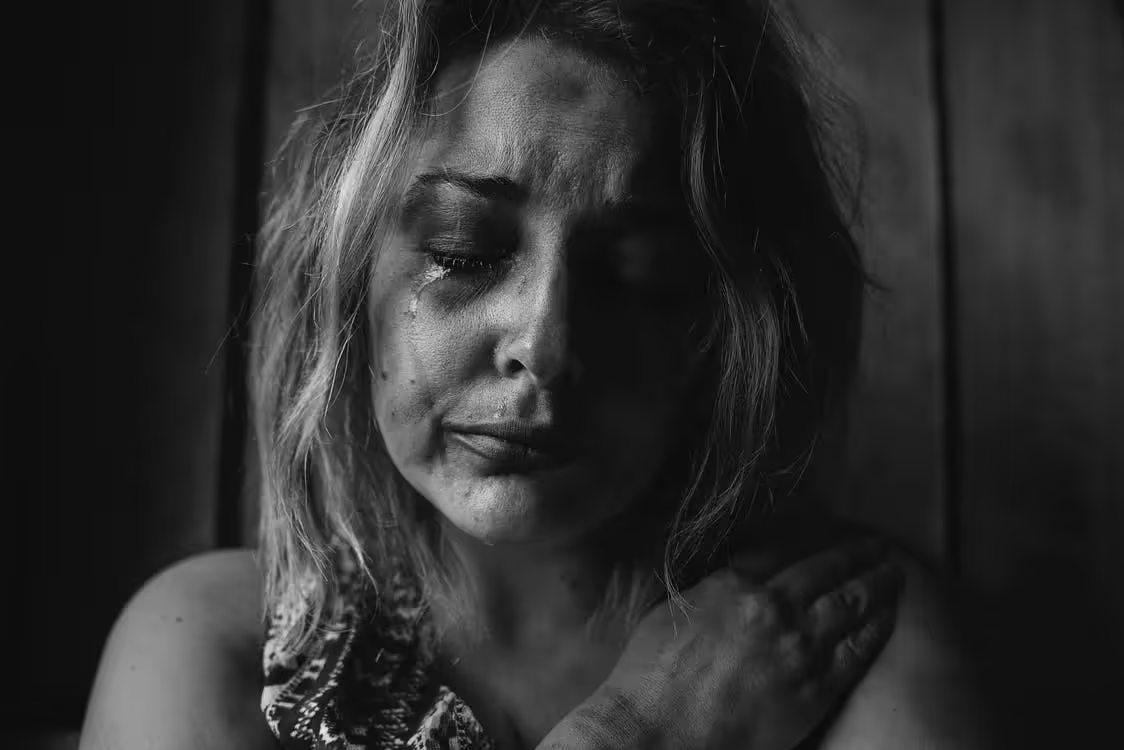
Again, various people have different responses to trauma in adulthood. Tne outcome is post-traumatic stress disorder (PTSD). A professional may diagnose this mental health condition when a client or patient experiences particular problems as a result of the event(s). Adults may be easily startled, engage in risky behavior (such as excessive drinking or sex), or can't sleep. Adulthood trauma survivors may think negatively of themselves. Perhaps they feel guilty about the event(s) or feel shame as if they are a bad person. It may be hard to feel happy.
Instead, adults may feel anxious and/or depressed. It is even normal to feel distant from other people or to lose interest in things once enjoyed. Aside from thoughts and feelings, one can have nightmares, intense reactions when they are reminded of the event, and/or flashbacks. People between ages 18 and 64 are most negatively impacted health-wise by trauma that occurs during those years. Examples of this include chronic illness and/or pain. There is also dementia. While trauma doesn't cause dementia, it may worsen memory loss.
Another mental illness adults may find themselves with is borderline personality disorder. Borderline personality disorder (BPD) symptoms include suicidal ideations, self-harm, a chronic empty feeling, reckless behavior, distrust of others, a distorted self-image, extreme emotions, and dissociation.
Like PTSD, C-PTSD is also diagnosed by a mental health professional. It has many symptoms in common with PTSD. If one has issues trusting others, a poor self-image, or trouble managing their feelings, then C-PTSD is a possibility.
To lead to PTSD or C-PTSD, before a trauma, one may have a personal or family history of mental disorders. Perhaps they also had other traumas. During the trauma, one may believe their life is in danger. They may dissociate, lose consciousness or have one or more physical injuries. After a trauma in adulthood, one may find themselves with a PTSD or C-PTSD diagnosis if by chance they have more life stress, avoid coping, have negative social interactions or less social support.

A person needs to get themselves support. One needs to have someone they can call, text, email, or whichever form of communication is best for them. Be sure that these are caring people, who may even just listen. Aside from support, it is important for one who experienced trauma in adulthood to stay in touch with friends, relatives, or others they may have been close to prior to the trauma. Keep a schedule–sleep, do chores, eat, and ensure you are on time for work or school. One must not blame themselves for the event(s). Consider how you coped, and point out to yourself how you dealt with the situation well.
It is important to go to a mental health professional or primary care provider if, within one month of the event(s), symptoms are still present. From there you may head to talk therapy or be prescribed medication. Telling healthcare providers about your trauma in adulthood will help them better help you in your recovery. It is also a good idea to search app stores if one believes they have a specific diagnosis, for those related apps. There is also the web for fact sheets. Remember that whether the suspected diagnosis is either PTSD or C-PTSD, or even borderline personality disorder, it affects everyone differently.
https://istss.org/public-resources/trauma-basics/trauma-during-adulthood
https://www.apa.org/news/press/releases/2004/12/trauma
https://www.verywellhealth.com/signs-of-repressed-childhood-trauma-in-adults-5211845
https://www.psychologytoday.com/us/blog/experimentations/201707/6-ways-rough-childhood-can-affect-adult-relationships
What is the goal of trauma counseling?
Trauma can feel like you're carrying a heavy, invisible backpack full of painful memories. It's exhausting, and it can be difficult to move forward. The goal of counseling isn't to get rid of the backpack immediately. It's to help you gently unpack it, one item at a time, so you can feel lighter and more confident. Trauma counseling focuses on helping you safely process traumatic experiences, reduce distressing symptoms, and regain a sense of control over your life.
We believe you have the power to live a life that is full and rewarding, and we are here to help you get there.
How can a counselor help me with my trauma?
Trauma can feel like you're in a movie with a strange script and a set of rules that no one else can see. Counseling helps you find your footing in a world that can feel confusing and overwhelming. A therapist specializing in trauma is trained to help you understand how trauma affects the brain and body, including symptoms related to post-traumatic stress disorder (PTSD).
We work together to help you understand your thoughts and feelings, build a sense of self, and find a sense of peace and security. Trauma therapy may also support healing related to grief, loss, and therapy for grief and trauma that overlap after painful life events.
What are some common signs of trauma?
Trauma is a deeply personal journey, and there’s no right or wrong way to feel. It's a bit like a fingerprint—it's unique to you. You may feel a mix of sadness, anger, guilt, emotional numbness, or even fear. Other signs may include hypervigilance, difficulty sleeping, intrusive memories, avoidance, or feeling disconnected from others—especially after traumatic events.
We want you to know that whatever you're feeling is valid. We provide a safe, non-judgmental space for you to process your emotions. You are not alone in this, and we're here to help you every step of the way.
How do I begin to heal from my trauma?
Healing from trauma can feel like trying to fix a broken bone without a cast—it’s difficult and painful without the right support. We want to be your support. The healing process often begins by recognizing that what you experienced was overwhelming and that your reactions make sense.
We'll work with you to process the past trauma and find new ways to cope with the stress and fear. With the right trauma therapist and mental health care, healing is possible—even after complex trauma.