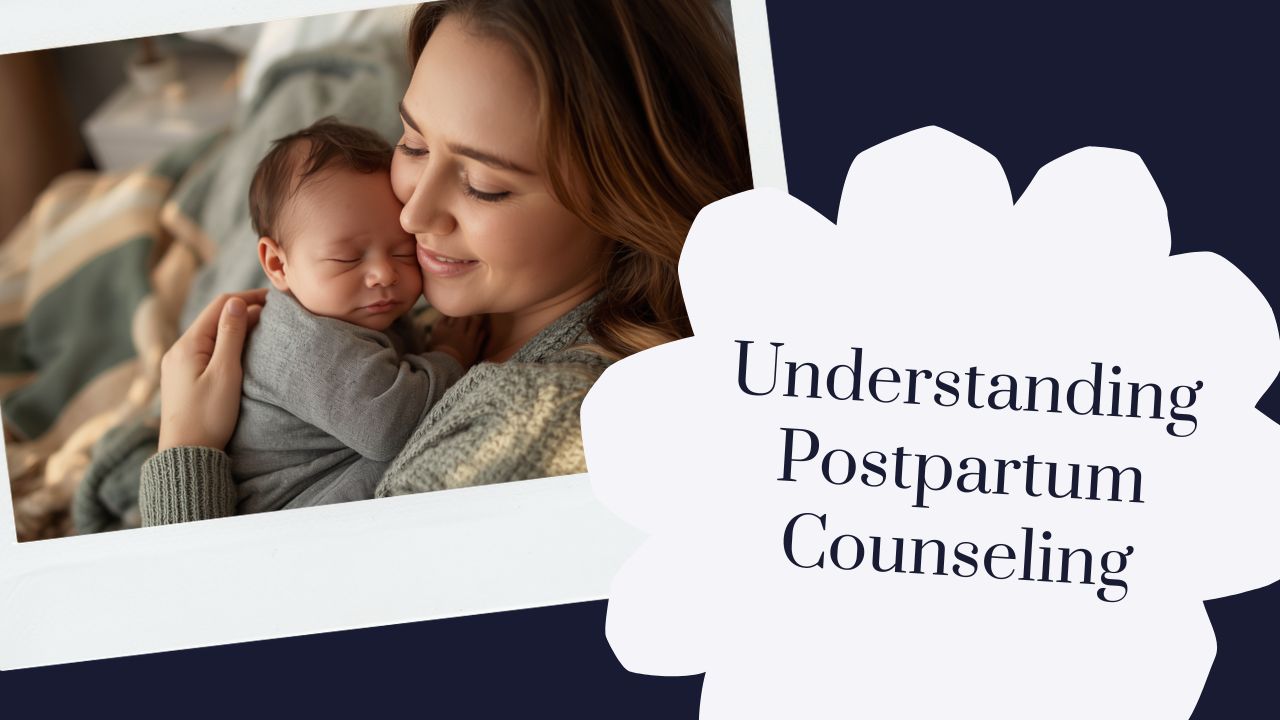
What are the signs of postpartum depression? Some of the major signs of postpartum depression include; loss of appetite, weight loss, lack of regular sleep,...


What are the signs of postpartum depression? Some of the major signs of postpartum depression include; loss of appetite, weight loss, lack of regular sleep, lack of motivation, feeling of worthlessness, hopelessness, guilt, etc. Childbirth comes with a whole lot of emotions. New mothers usually go through the "baby blues" where they endure a range of different emotions from joy, to sadness, to fear, anxiety, etc. When the feeling of sadness and anxiety becomes too regular or severe, a new parent might be said to be experiencing postpartum depression.
Postpartum depression is a much more severe form of the "baby blues". The "baby blues" is not a new phenomenon for mothers. In the first few days after childbirth, new mothers usually experience symptoms such as loss of appetite, irritation, anxiety, sleeplessness, mood swings, detachment, etc. These "baby blues" symptoms are also signs of postpartum depression and they usually last for a few days. When the baby blues symptoms start to linger for weeks and months, postpartum depression might be the case. Postpartum depression (PPD) is a form of depression suffered mostly by mothers after childbirth. It is not and should not be seen as a sign of weakness on the part of the mother but as one of the complications of childbirth. Although the cause is usually attributed to hormonal changes, PPD can also occur as a result of psychological adjustment to motherhood, fatigue, lack of support, etc.
Women who have a family history of depression or have had one form of depression or the other in the past are more prone to getting postpartum depression.
Other known causes of postpartum depression include;
As mentioned earlier, most women go through the "baby blues" phase where they experience some signs and symptoms similar to postpartum depression. The difference between the "baby blues" and PPD is that while baby blues last for a maximum of two weeks, PPD lasts for months and can even go into years.
Some of the signs of postpartum depression include;
Postpartum depression also affects babies in a lot of ways. For example, a mother going through it may exhibit behavior harmful to the child such as missing pediatrician's appointments, not noticing when the child is ill, etc. Children brought up by mothers with postpartum depression have a higher risk of obesity than their counterparts. For this reason, it is necessary to deal with the signs of postpartum depression before it leads to something fatal.
Postpartum psychosis is a much more severe form of postpartum depression. Here, the mother has lost touch with reality. Symptoms include insomnia, delusions, hallucinations, paranoia, abnormal mood swings, high sex drive, agitations, anxiety, depression, and other signs of postpartum depression. Postpartum psychosis is the leading cause of infanticide and should be reported immediately when symptoms are noticed in a new mother. In cases where the mother starts feeling suicidal and having thoughts of hurting the baby, help should be called for immediately as the mother might be suffering from postpartum psychosis.
As of now, there are no surefire prevention measures to deal with the signs of postpartum depression.
But there are a few preparations that can be done to help reduce the risk and keep the mind and body of the prospective/new mother ready. Some of these preparative measures include;
Treatment Postpartum depression can be treated through counseling (therapy sessions), support from spouse, family, and friends, and the use of antidepressants and anti-anxiety drugs. The use of antidepressants and anti-anxiety medicine does not only help to treat regular depression. With the help of a doctor, it can also be safe for use even for breastfeeding mothers. Some severe cases can be treated using electroconvulsive therapy (ECT).
Postpartum depression is a regular complication of childbirth and it should not be seen as abnormal or a sign of weakness. Some of the signs of postpartum depression are the same as that of the "baby blues" just that the symptoms last longer and are more severe. The signs of postpartum depression can be dealt with by psychotherapy, the use of antidepressants and anxiety medicines, and in some cases, electroconvulsive therapy.
https://www.webmd.com/depression/guide/postpartum-depression
https://www.womenshealth.gov/mental-health/mental-health-conditions/postpartum-depression
Postpartum depression usually arises from a mix of factors rather than a single cause: the sudden drop in hormones like estrogen and progesterone after childbirth, a personal history of depression or other mental-health conditions, and major life stressors. Physical and emotional exhaustion from childbirth and caring for a newborn, chronic sleep deprivation, and limited support from a partner, family, or friends can all increase the risk. Overcomers Counseling provides compassionate, practical care to help new parents understand these contributors and find steady, evidence-based support as they recover.
Pregnancy is a beautiful and transformative journey, but it’s also a time of significant change. The goal of counseling during pregnancy isn't to fix anything. It’s to provide you with a safe space to process the emotional and physical changes that are happening to your body and your life. We can help you manage anxiety about the future, process past trauma, and find a sense of peace and calm so you can enjoy your pregnancy and feel ready for the next chapter.
Postpartum depression can feel like a sudden, dark cloud that appears after the baby arrives, and it's a lot more than just the baby blues. Counseling helps you navigate this difficult time with support and care. We'll help you understand your feelings, find ways to cope with stress, and develop a plan to get you back on your feet. You are not a bad mom for feeling this way. You are a human being who needs help. We are here for you.
Having a baby can put a significant strain on a relationship. It's a journey that can feel like you're both in separate boats, just trying to stay afloat. Counseling helps you get back into the same boat. We'll help you communicate more effectively, support each other’s unique coping styles, and find a way to navigate this new chapter as a united team. We believe in your capacity to weather this storm together and emerge stronger on the other side.
Pregnancy is a beautiful journey, but it comes with a lot of emotional baggage. You may feel a mix of excitement, fear, and anxiety. It's normal to feel overwhelmed. Counseling provides a safe space for you to process your feelings without judgment. We'll help you understand what's going on with your mind and body, so you can make informed decisions. We believe in your capacity to navigate this new chapter with grace and confidence.