Coping with post-traumatic stress disorder (PTSD) resulting from emotional abuse is a challenging journey that requires resilience and...

Coping with post-traumatic stress disorder (PTSD) resulting from emotional abuse is a challenging journey that requires resilience and support.In this guide, we will explore strategies and examples to help individuals navigate the complexities of healing from traumatic experiences.PTSD from emotional abuse can manifest in various ways, impacting mental and overall health.By learning effective coping mechanisms and seeking appropriate resources like counseling or therapy for PTSD, individuals can take significant steps towards reclaiming their sense of empowerment and finding inner peace amidst the aftermath of emotional trauma.
Behavioral, Emotional, and Physical Indicators of PTSD Resulting from Emotional Abuse
Behavioral Indicators
Emotional Indicators
Physical Indicators
When addressing PTSD resulting from emotional abuse, seeking professional help is crucial in the healing process.Exploring therapy options can provide a structured and supportive environment for individuals to process their trauma and develop coping strategiesQualified therapists specializing in trauma-informed care can offer personalized treatment plans tailored to each individual's unique needs.Additionally, considering medication and holistic approaches can complement therapy sessions and enhance the overall healing journey.For those seeking a reliable resource for PTSD counseling, Overcomers Counseling stands out as a reputable option.Our team of experienced therapists specializes in trauma recovery and provides a safe space for individuals to navigate their healing process.Through evidence-based practices and compassionate care, Overcomers Counseling promotes a healing-centered approach that empowers individuals to overcome the effects of emotional abuse.
Self-care is a vital aspect of managing PTSD resulting from emotional abuse, offering individuals practical ways to prioritize their mental health and promote healing. Engaging in regular exercise, such as yoga or walking, can help reduce stress levels and improve overall mood.Physical activities like running or dancing serve as outlets for releasing pent-up emotions and promoting a sense of empowerment.Practicing mindfulness and meditation techniques can aid in grounding oneself during moments of anxiety or distress, fostering a greater sense of inner peace and resilience.Creating a safe and comforting environment at home is another self-care strategy that can positively impact individuals with PTSD.Examples include establishing a calming bedtime routine, incorporating soothing scents like lavender essential oil, and surrounding oneself with comforting objects or mementos.This may involve limiting exposure to triggering situations, practicing assertiveness in communication, and prioritizing one's needs and boundaries.In addition to physical and environmental self-care practices, engaging in creative outlets can provide therapeutic benefits for individuals coping with PTSD.For example, journaling to express emotions and track progress, painting or drawing as forms of self-expression, or participating in music therapy to process trauma through sound.Such creative pursuits offer individuals avenues for exploring their emotions in a safe and constructive manner, facilitating healing.
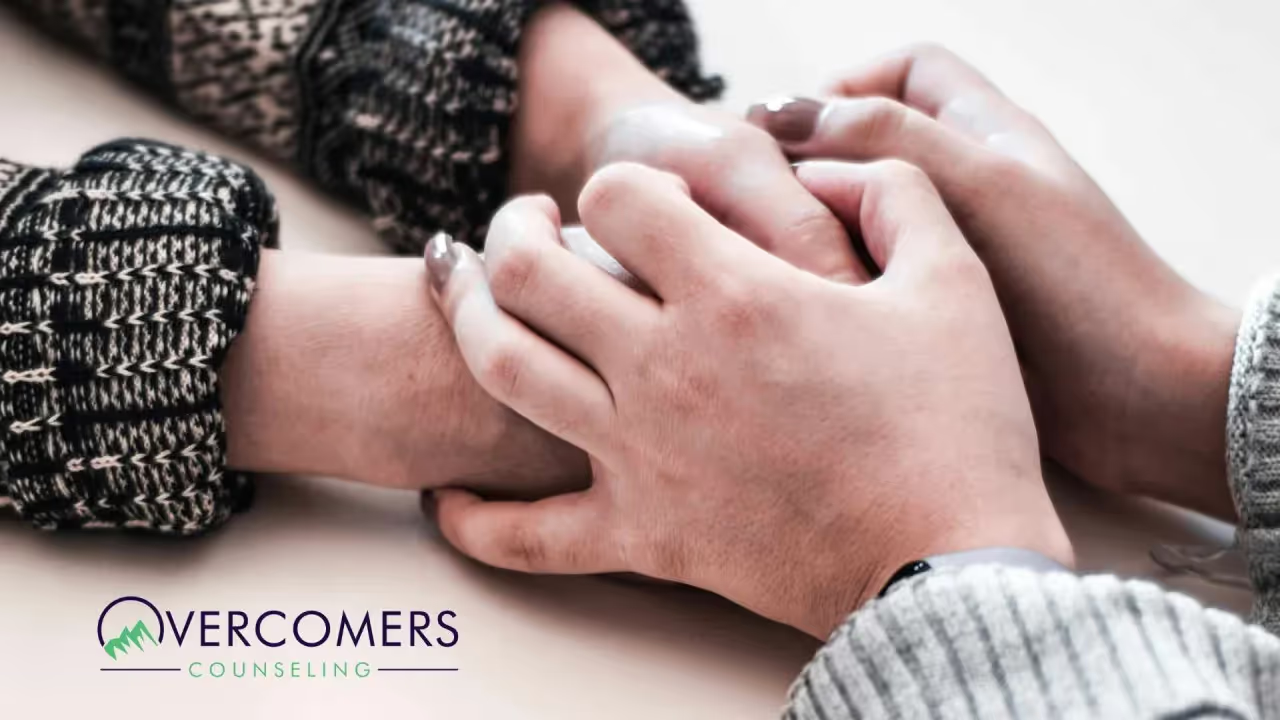
Supporting friends and family members who are dealing with PTSD resulting from emotional abuse requires a compassionate and understanding approach.One key aspect of offering support is to listen actively and without judgment.Creating a safe space for individuals to share their feelings and experiences can help them feel validated and heard, which is essential in the healing process.Validating their emotions and experiences, even if you may not fully understand, can strengthen your relationship and provide comfort.Empathy plays a significant role in supporting loved ones with PTSD.Demonstrating empathy involves acknowledging their pain and struggles while showing that you care and are there for them.It's important to offer emotional support without trying to minimize or fix their feelings.Simply being present, offering a shoulder to lean on, and expressing genuine concern can go a long way in showing your support.Additionally, educating yourself about PTSD and its effects can provide you with a better understanding of what your loved one is going through.Setting boundaries is crucial when supporting individuals with PTSD.Respecting their boundaries and understanding their triggers are vital to maintaining a safe and supportive environment.Encourage open communication about what helps and what may be triggering for them.Overall, providing consistent emotional support, practicing empathy, and respecting boundaries are key components of effectively supporting loved ones as they navigate the challenges of PTSD recovery.
It's essential to acknowledge the impacts of emotional abuse-induced PTSD and take proactive steps towards healing and recovery.Recognizing triggers, establishing a safe environment, and practicing self-care, individuals can begin their journey towards healing.Seeking professional help through therapy or support groups can provide valuable guidance and support.Healing is a process that takes time, but with patience, self-compassion, and the right support system, individuals can gradually work towards reclaiming their sense of peace and empowerment.
https://www.sandstonecare.com/young-adults/mental-health/
https://peaksrecovery.com/mental-health/anxiety-treatment/
https://www.ptsd.va.gov/publications/print/understandingptsd_booklet.pdf
https://ncsacw.acf.hhs.gov/userfiles/files/SAMHSA_Trauma.pdf
What is the goal of trauma counseling?
Trauma can feel like you're carrying a heavy, invisible backpack full of painful memories. It's exhausting, and it can be difficult to move forward. The goal of counseling isn't to get rid of the backpack immediately. It's to help you gently unpack it, one item at a time, so you can feel lighter and more confident. Trauma counseling focuses on helping you safely process traumatic experiences, reduce distressing symptoms, and regain a sense of control over your life.
We believe you have the power to live a life that is full and rewarding, and we are here to help you get there.
How can a counselor help me with my trauma?
Trauma can feel like you're in a movie with a strange script and a set of rules that no one else can see. Counseling helps you find your footing in a world that can feel confusing and overwhelming. A therapist specializing in trauma is trained to help you understand how trauma affects the brain and body, including symptoms related to post-traumatic stress disorder (PTSD).
We work together to help you understand your thoughts and feelings, build a sense of self, and find a sense of peace and security. Trauma therapy may also support healing related to grief, loss, and therapy for grief and trauma that overlap after painful life events.
What are some common signs of trauma?
Trauma is a deeply personal journey, and there’s no right or wrong way to feel. It's a bit like a fingerprint—it's unique to you. You may feel a mix of sadness, anger, guilt, emotional numbness, or even fear. Other signs may include hypervigilance, difficulty sleeping, intrusive memories, avoidance, or feeling disconnected from others—especially after traumatic events.
We want you to know that whatever you're feeling is valid. We provide a safe, non-judgmental space for you to process your emotions. You are not alone in this, and we're here to help you every step of the way.
How do I begin to heal from my trauma?
Healing from trauma can feel like trying to fix a broken bone without a cast—it’s difficult and painful without the right support. We want to be your support. The healing process often begins by recognizing that what you experienced was overwhelming and that your reactions make sense.
We'll work with you to process the past trauma and find new ways to cope with the stress and fear. With the right trauma therapist and mental health care, healing is possible—even after complex trauma.