Going back to school can be an anxious experience for young people. They may be worried about how they will do academically, how they will fit in socially,...

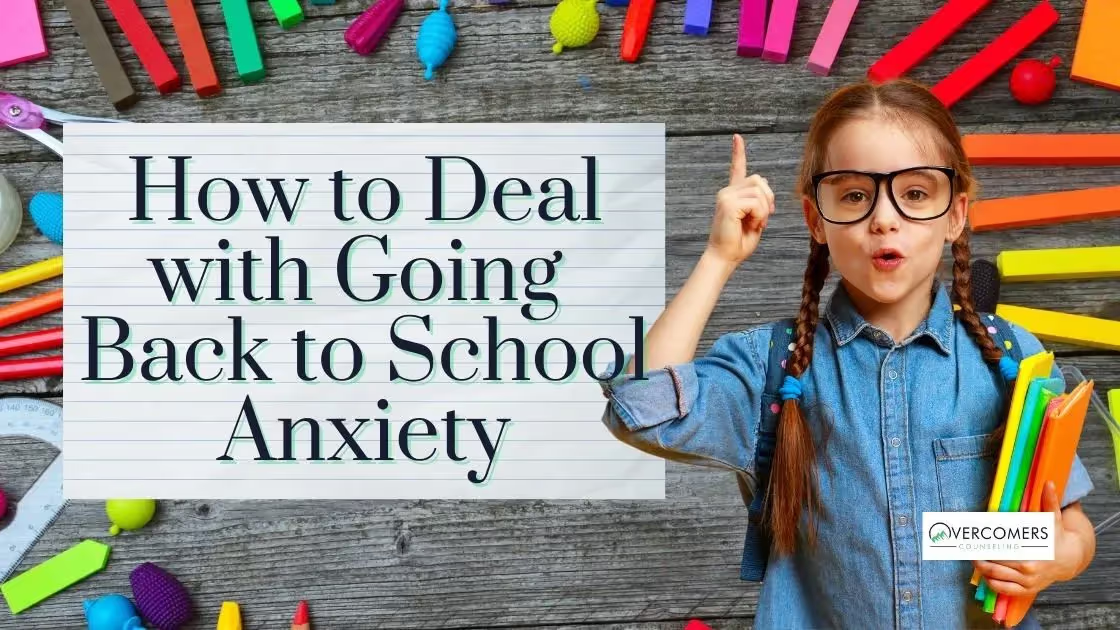
Going back to school can be an anxious experience for young people.
They may be worried about how they will do academically, how they will fit in socially, or how they will manage their time.
However, there are several things that parents and caregivers can do to help ease their anxiety.
The first step is to understand what is causing the anxiety.
This is important because it can help you figure out how to best support your child.
If the anxiety is coming from a specific fear, such as a fear of test-taking, then you can work on addressing that particular issue.
If the anxiety is more general, such as a feeling of being overwhelmed, then you can provide more general support and guidance.
Some other specific fears could be:
Once the source of the anxiety is identified, it will be easier to develop a plan to address it.
Additionally, it is important to remember that everyone experiences anxiety in different ways, so what works for one person may not work for another.
The most important thing is to be patient and understanding.

Once the source of the anxiety is identified, it is important to talk to your child about their worries.
This will help kids feel understood and supported.
It is also a good opportunity to offer reassurance and advice.
For example, if they are worried about how they will do academically, you can remind them of how hard they have worked in the past and how you know they will do great.
If they are worried about fitting in socially, you can give them some tips on how to make new friends, such as joining a club or sport.
It is also important to encourage positive thinking.
This means helping your child focus on the things that make them feel good about themselves and their ability to cope with anxiety.
A list of ways to encourage positive thinking are:
All of these things may help your child to feel more confident and in control.
Encouraging a positive way of thinking can help kids deal with going back to school anxiety.
Another way to help ease anxiety is to create a routine.
This can be especially helpful for children who worry about not being able to keep up with homework.
By creating a routine, you can help them to feel more organized and in control.
Some things that you can include in a routine are:
By having a set routine, your child will know what to expect and how to best manage their time. This can help to reduce stress and anxiety.
Another way to help ease your child's anxiety is to help them prepare for school.
This means making sure that they have all of the supplies they need and that they know how to get to their classes.
It can also be helpful to talk to their teacher or fellow students about what to expect in the upcoming year.
Other ways you can help them prepare for school are:
By helping them to prepare for school, you can help ease their anxiety and set them up for success.

Clubs, sports teams, and other after-school programs provide a great way for kids to socialize and make friends.
There are many benefits to getting involved in extracurricular activities.
Children can learn new skills, make friends, and discover their passions.
Plus, when they participate in extracurricular activities, they often have better grades and higher test scores.
In addition, participating in extracurricular activities can help boost kids' confidence and self-esteem.
As a result, getting involved in extracurricular activities is a great way to help kids deal with going back to school anxiety.
A good night's sleep will help them to feel rested and ready to face the new school day.
Ensure they are eating a balanced diet.
A nutritious meal will give them the energy they need to concentrate and learn.
Encourage them to talk about their feelings.
Talking openly about their anxiety can help to ease their fears and make them feel more prepared to face the new school year.
With a little preparation and support, your child can overcome their anxiety and have a successful school year.
If your child's anxiety is severe, it may be best to seek help from a qualified mental health professional.
A therapist can help your child to understand and manage their anxiety.
With the right support, your child can learn how to cope with their anxiety and have a successful school year.
The content in this post is not intended to be a substitute for professional medical advice, diagnosis, or treatment.
If you need help please talk to a professional who can help.
When it comes to how to deal with going back to school anxiety, there are a few things that you can do to help ease your child's anxiety.
Family members who transition back to school can sometimes be an anxious experience for children and parents.
You can create a routine, help them prepare for school, encourage them to get involved in extracurricular activities and make sure they get enough sleep and eat a balanced diet.
If the anxiety is severe, you may want to seek help from a qualified mental health professional.
With a little preparation and support, your child can overcome their anxiety and have a successful school year.
Other activities which have been found helpful in reducing both immediate feelings of anxiousness and long-term anxieties associated with chronic disorders include yoga, journaling, nature walks, art therapy, volunteering, and other low-stress activities. Additionally, developing a healthy lifestyle incorporating adequate sleep, physical activity, and nutritious meals can help reduce overall stress levels.
Yes, Medicaid provides insurance coverage for therapy services specifically designed to help individuals struggling with anxiety, depression, and other mental health conditions.
We all get a little anxious sometimes—like a sudden jolt of nerves before a big presentation or a first date. But if that nervous feeling has become a constant companion, like an uninvited roommate that won’t leave, it might be time for counseling. Signs that it's more than a passing worry include persistent fear, difficulty sleeping, or avoiding situations that trigger your anxiety. We understand how exhausting this can be. We can work together to help you get your living space back.
Think of anxiety counseling as your personal guide to untangling a complicated knot of thoughts and fears. While it may feel impossible right now, you have the power to conquer it. We'll give you a toolkit of strategies, from understanding what's triggering your worry to practicing deep breathing exercises that calm your nervous system. Through counseling, you'll learn to recognize your thought patterns and challenge them, so you can stop being a passenger in your own life and start being the one in the driver’s seat.
The most effective approach to treating anxiety is like finding the perfect pair of shoes—what works for one person might not work for another. However, a common and effective therapy is Cognitive Behavioral Therapy (CBT). It helps you identify negative thought patterns and behaviors that feed your anxiety. We also use other approaches, like exposure therapy, to help you gradually face your fears in a safe and supportive way. We'll help you find the right fit for your unique needs.