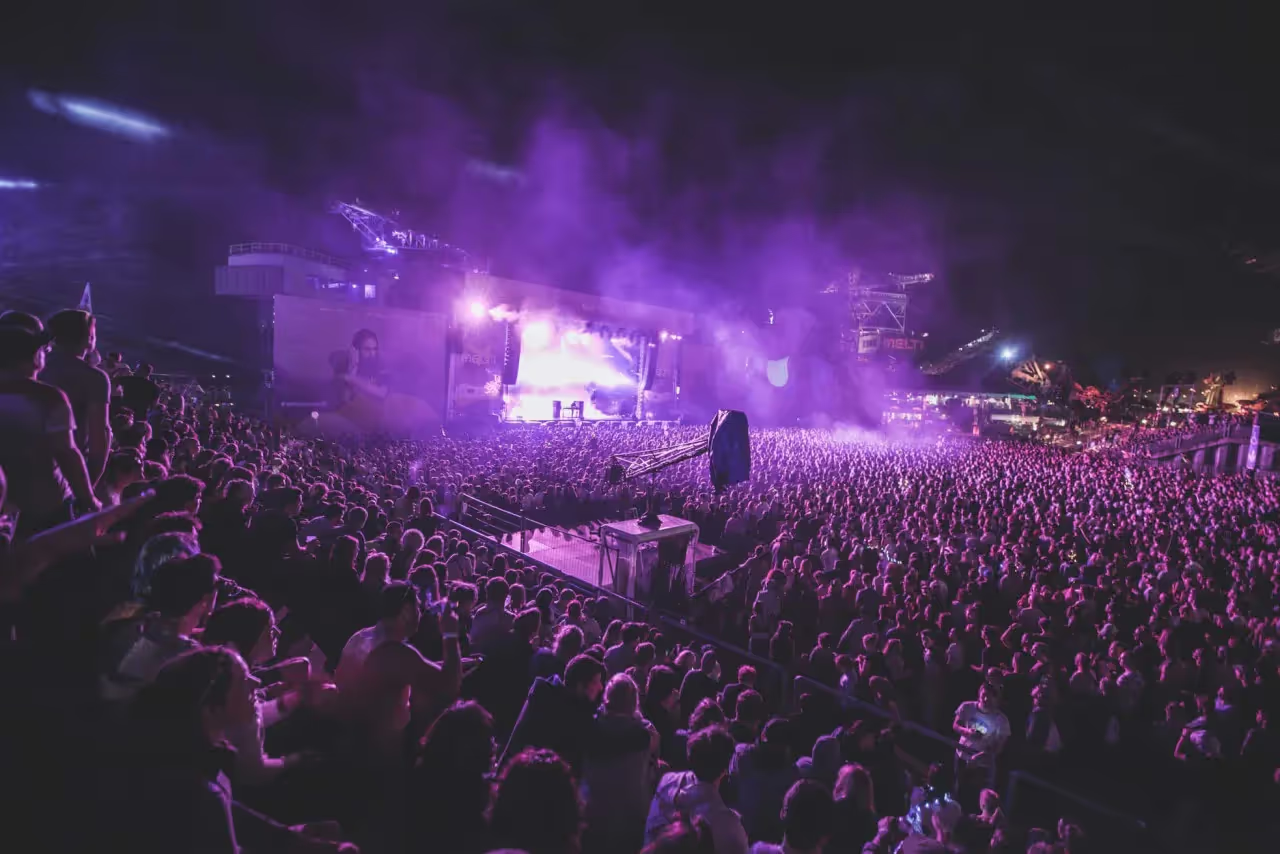
or people who suffer from anxiety, large crowds can be a daunting and terrifying experience.This can cause issues professionally if your job requires you to...


or people who suffer from anxiety, large crowds can be a daunting and terrifying experience.
This can cause issues professionally if your job requires you to attend events.
It can also cause issues socially, as you may be afraid to attend events or parties where there will be many people.
However, there are ways to cope with and manage the fear.
Here are some tips to help you deal with anxiety in large crowds.
The first step to coping with anxiety in large crowds is to understand your triggers.
This means identifying the specific stimuli that cause feelings of anxiety and fear, such as loud noises, bright lights, crowded spaces, or uncomfortable physical sensations.
Some triggers can be:
Once you know what your triggers are, you can take steps to avoid them or manage them when they do occur.
This is an important step when learning how to deal with anxiety in large crowds.
Listen to a Transcript of This Blog
The second step is to prepare mentally and physically for the experience of being in a large crowd.
This means mentally preparing yourself by visualizing yourself and coping with the anxiety-inducing situation calmly and confidently.
Some ways you can prepare are:
It also means making sure you are physically prepared by ensuring you have eaten properly, getting enough sleep the night before, and wearing comfortable clothing and shoes.
Consider prepping yourself when learning how to deal with anxiety in large crowds.
A third useful tip is to use grounding techniques during times of anxiety or fear in large crowds.
This may include focusing on your breathing, repeating positive mantras or affirmations in your mind, engaging in mindfulness practices such as meditation or visualization, or grounding yourself in your surroundings by focusing on the sights and sounds around you.
In addition to using techniques to manage anxiety in large crowds, it can also be helpful to build positive associations with these situations.
This might mean seeking out opportunities to attend events that may make you nervous but that are also enjoyable, such as going to the theater or trying a new restaurant.
It may also mean finding ways to participate in your community or get involved in causes that are important to you, as this can help you feel more connected and empowered.
You can also try other relaxation techniques.
Talk to a therapist if you find that these methods are not providing sufficient relief.
The benefits of breathing exercises are:
Breathing exercises can be done anywhere and at any time.
You don't need any special equipment, and you can do them sitting or standing.
In the end, by having a plan for dealing with anxiety in large crowds, you can overcome your fears and become more confident in your ability to navigate these situations.
This is a good thing to consider when you're learning how to deal with anxiety in large crowds.

Don't be afraid to ask for help if you start to feel overwhelmed.
Remember, you are not alone in this.
Many people struggle with anxiety, and there is support available.
With time and practice, you can learn to manage your anxiety and live a full and healthy life.
If you find that your anxiety is impacting your ability to function in day-to-day life, it may be time to seek professional help.
A therapist can work with you to identify the root of your anxiety and develop a treatment plan to help you manage it.
Don't hesitate to reach out for help if you need it.
There is no shame in needing support to manage anxiety, and there are many effective treatments available to help you live a happy and healthy life.
Some of the common symptoms of anxiety in large crowds include feelings of restlessness, nervousness, and unease.
You may also experience an increased heart rate, sweating, trembling, or nausea.
Other possible symptoms include difficulty concentrating or focusing, feeling overwhelmed or panicked, and a desire to avoid crowds at all costs.
There are many different treatment options available, including therapy, medication, self-care strategies, and relaxation techniques.
There are many different factors that can contribute to anxiety in large crowds, including a history of trauma or abuse, social phobia or other mental health conditions, past experiences with negative events in crowded spaces, and genetic predisposition.
One strategy for managing anxiety in large crowds is to use grounding techniques.
This may include focusing on your breathing, repeating positive mantras or affirmations in your mind, engaging in mindfulness practices such as meditation or visualization, or grounding yourself in your surroundings by focusing on the sights and sounds around you.
The content of this article is for informational purposes only. It is not intended as a replacement for official medical advice from a licensed professional.
There are many things you can do to learn how to deal with anxiety in large crowds.
You are not alone in having this type of anxiety.
There are many people who understand what you are going through and can offer support.
There are also many effective treatment options available, so don't hesitate to seek professional help if needed.
With time and practice, you can learn to manage your anxiety and live a full and healthy life.
By preparing mentally and physically, using grounding techniques, building positive associations with these events, taking breaks if needed, and seeking professional help if necessary, you can overcome your fears and enjoy all the wonderful opportunities that come with attending large events.
With time and practice, you can learn to manage your anxiety and live a full and happy life.
Other activities which have been found helpful in reducing both immediate feelings of anxiousness and long-term anxieties associated with chronic disorders include yoga, journaling, nature walks, art therapy, volunteering, and other low-stress activities. Additionally, developing a healthy lifestyle incorporating adequate sleep, physical activity, and nutritious meals can help reduce overall stress levels.
Yes, Medicaid provides insurance coverage for therapy services specifically designed to help individuals struggling with anxiety, depression, and other mental health conditions.
We all get a little anxious sometimes—like a sudden jolt of nerves before a big presentation or a first date. But if that nervous feeling has become a constant companion, like an uninvited roommate that won’t leave, it might be time for counseling. Signs that it's more than a passing worry include persistent fear, difficulty sleeping, or avoiding situations that trigger your anxiety. We understand how exhausting this can be. We can work together to help you get your living space back.
Think of anxiety counseling as your personal guide to untangling a complicated knot of thoughts and fears. While it may feel impossible right now, you have the power to conquer it. We'll give you a toolkit of strategies, from understanding what's triggering your worry to practicing deep breathing exercises that calm your nervous system. Through counseling, you'll learn to recognize your thought patterns and challenge them, so you can stop being a passenger in your own life and start being the one in the driver’s seat.
The most effective approach to treating anxiety is like finding the perfect pair of shoes—what works for one person might not work for another. However, a common and effective therapy is Cognitive Behavioral Therapy (CBT). It helps you identify negative thought patterns and behaviors that feed your anxiety. We also use other approaches, like exposure therapy, to help you gradually face your fears in a safe and supportive way. We'll help you find the right fit for your unique needs.