If you struggle with anxiety, you've probably experienced anxiety attacks before. Anxiety attacks are sudden and intense bouts of fear and anxiety. They can...

If you struggle with anxiety, you've probably experienced anxiety attacks before.
Anxiety attacks are sudden and intense bouts of fear and anxiety.
They can affect the ways you think and feel, and they can come without any warning.
If you struggle with anxiety, you're not alone.
Anxiety is one of the most common forms of mental illness, affecting almost everyone to some extent.
There are a lot of different strategies for coping with anxiety, and many of them can help you deal with a panic attack.
If you're ready to learn more about how to cope with anxiety attacks, keep reading.
One way to cope with anxiety attacks is by diversifying your routines.
Anxiety causes the mind and body to become tense, producing something called muscle tension.
When someone suffers from chronic anxiety, their body learns to expect these feelings.
To break this cycle, you should try not to do the same things every day.
Instead of following a routine, you should diversify your days by including different activities and routines that keep your mind and body off guard.
Think of the times you are on vacation, your mind is being exposed to new places and novel experiences which allow you to see the world differently.
You should also make sure to have some downtime every day so your mind can relax and process everything that's going on in your life at that moment.
Exercise is one of the best ways to cope with anxiety, especially during a panic attack.
Exercise helps you release natural feel-good hormones like serotonin and dopamine.
It also helps you get rid of excess adrenaline in your system that may be triggering a panic attack.
The great thing about exercise as a coping with anxiety technique is that it's easy to do from home!
You can get out for a walk or run, do yoga, or even work out on your own at home with videos or an app.
There is no need to pay for a gym membership in order to gain the benefits of moderate weekly exercise.
Another way to cope with anxiety attacks is through deep breathing exercises.
When we breathe deeply, our lungs fill up with more oxygen than usual which increases the oxygen flow in our bloodstreams and calms down an overactive nervous system.
Usually, when we feel stressed or panic, we take short breaths which activates the fight-or-flight response in our bodies.
Yes, breathing exercises do work.
Breathing is a natural way to calm yourself down and regulate your thoughts, but it can be difficult to get in the habit of making sure you're taking enough deep breaths throughout the day.
The next time you feel that familiar panic attack coming on, take a few minutes to find a quiet place and try some easy breathing exercises.
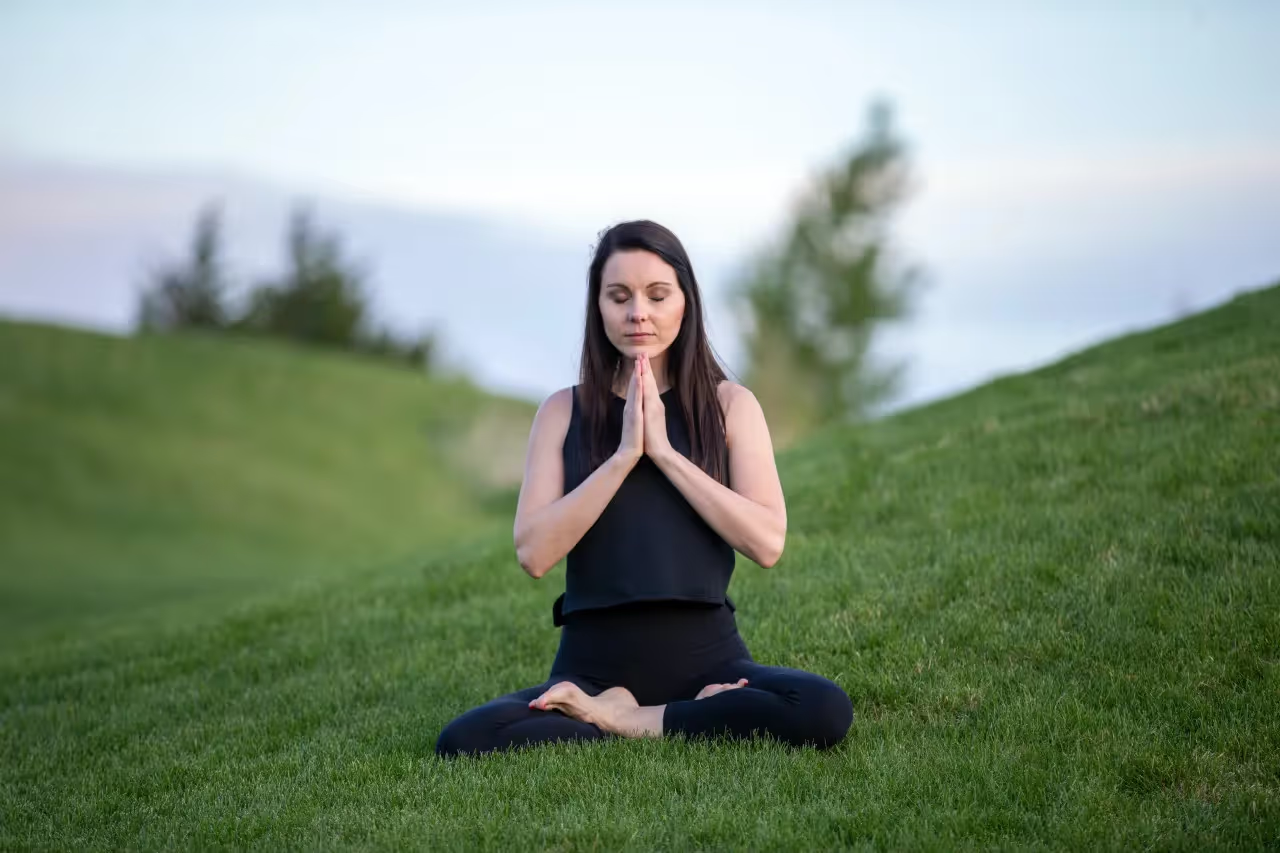
If you have a therapist, talk to them. They can help you figure out the source of your anxiety and offer coping strategies that fit with what's going on in your life.
Talking to someone who understands what you're going through is an effective way to start feeling better.
There are many therapists that specialize in anxiety disorders and can help find an approach that will minimize your anxiety attacks.
If your anxiety attacks are causing serious disruption in your life, it is essential to seek professional help.
CBD oil is a popular method for coping with anxiety. CBD, or cannabidiol, found in cannabis plants, has been used to decrease anxiety levels.
CBD oil can be taken orally or applied topically on your skin.
Unlike THC, which causes psychoactive effects like feeling high, CBD does not have any of these effects and it does not harm your body either.
The benefits of CBD are many: It can help you relax without the side effects, lower the number of panic attacks you experience each day, and reduce the severity of your anxiety symptoms.
The best thing about CBD is that it's non-habit forming so you can use it as often as necessary without fear of addiction or withdrawal symptoms.
Anxiety is a pattern of intense, irrational fear or dread that persists relentlessly for at least six months.
It is often related to a traumatic event and it is not uncommon to feel anxiety on a regular basis.
There are many ways to cope with anxiety attacks and some of the more common ones include diversifying routines, exercising, trying breathing exercises, and talking to a therapist.
CBD oil may also be an option for those looking for relief.
No one way of coping will work for everyone and it is important to experiment with different methods to find the one that suits you best.
Keep in mind that coping with anxiety takes time and is often a gradual process.
Remember, you are not alone and there are ways to deal with this debilitating disorder.
Other activities which have been found helpful in reducing both immediate feelings of anxiousness and long-term anxieties associated with chronic disorders include yoga, journaling, nature walks, art therapy, volunteering, and other low-stress activities. Additionally, developing a healthy lifestyle incorporating adequate sleep, physical activity, and nutritious meals can help reduce overall stress levels.
Yes, Medicaid provides insurance coverage for therapy services specifically designed to help individuals struggling with anxiety, depression, and other mental health conditions.
We all get a little anxious sometimes—like a sudden jolt of nerves before a big presentation or a first date. But if that nervous feeling has become a constant companion, like an uninvited roommate that won’t leave, it might be time for counseling. Signs that it's more than a passing worry include persistent fear, difficulty sleeping, or avoiding situations that trigger your anxiety. We understand how exhausting this can be. We can work together to help you get your living space back.
Think of anxiety counseling as your personal guide to untangling a complicated knot of thoughts and fears. While it may feel impossible right now, you have the power to conquer it. We'll give you a toolkit of strategies, from understanding what's triggering your worry to practicing deep breathing exercises that calm your nervous system. Through counseling, you'll learn to recognize your thought patterns and challenge them, so you can stop being a passenger in your own life and start being the one in the driver’s seat.
The most effective approach to treating anxiety is like finding the perfect pair of shoes—what works for one person might not work for another. However, a common and effective therapy is Cognitive Behavioral Therapy (CBT). It helps you identify negative thought patterns and behaviors that feed your anxiety. We also use other approaches, like exposure therapy, to help you gradually face your fears in a safe and supportive way. We'll help you find the right fit for your unique needs.