Do you want to know the meaning of dream anxiety disorder? The causes, symptoms, and treatments?Have you ever had trouble sleeping at night? Do you...


Do you want to know the meaning of dream anxiety disorder?
The causes, symptoms, and treatments?
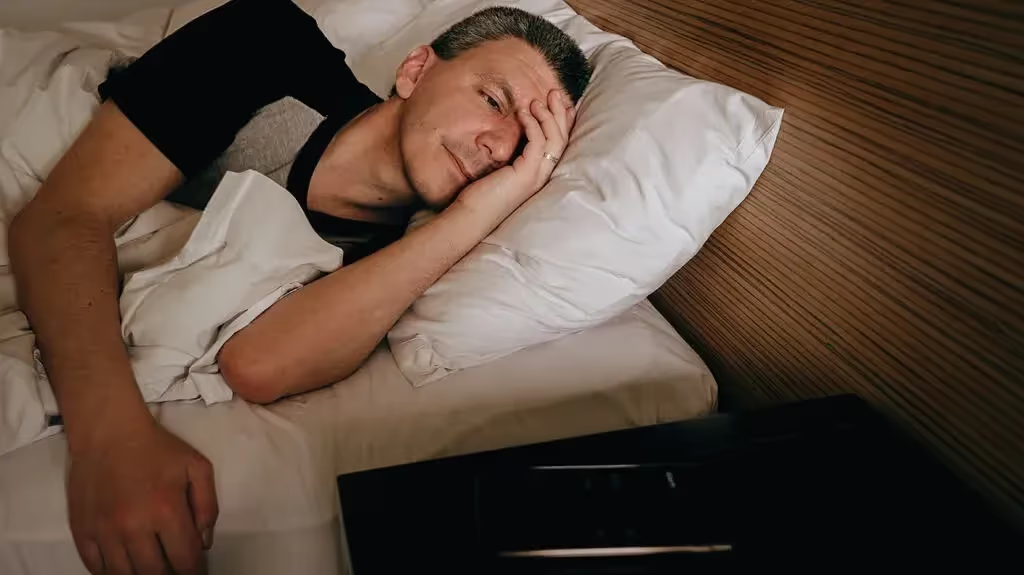
Have you ever had trouble sleeping at night?
Do you experience frequent disturbing dreams when you sleep?
If you are, you may be living with a form of anxiety called " dream anxiety disorder or nightmare disorder"'.
Dream anxiety disorder, also called nightmare disorder, is a mental health condition characterized by excessive or inappropriate fear of miseries.
Nightmare disorder is a distressing pattern of repeated dysphoric and vivid dreams.
The theme of the disorder tends to consist of threats to survival, security, and physical well-being (Kamron A, 2021).
The third edition of the International Classification of Sleep Disorders (ICSD) has classified dream anxiety disorder as a parasomnia usually associated with rapid eye movement (REM) sleep.
This disorder affects about 4% of adults, as a part of other disorders such as posttraumatic stress disorder (PTSD), and can significantly degrade the quality of life.
This mental health condition is characterized by difficulty maintaining sleep continuity or poor sleep quality.
A person with a dream anxiety disorder may experience intense feelings of fear or distress during the day because they have had a nightmare the night before.
They may also avoid going to sleep because they are afraid of having monsters and becoming anxious when they wake up.
There are different causes of dream anxiety disorders. However, scientists have classified the major causes into medical conditions, psychological conditions, and other factors (Bibek, 2021).
These causes can include
These causes can include
These causes include
How do you know if you have dream anxiety? A study conducted in 2008 also indicated that the condition might be associated with borderline personality disorder (BPD). The symptoms can be generally brief, but they can cause you to be awake, and returning to sleep might be difficult.
Common symptoms include:
An occasional dream anxiety disorder does not require treatment. However, doctors can treat chronic nightmare disorder in several ways to constrain the frequent occurrences of disturbing dreams. Two major approaches employed to treat this illness are the behavioral and pharmacological approaches.
Some of the techniques employed under this section to treat nightmares include:
Image Rehearsal Therapy (IRT)
IRT is a form of modified cognitive-behavioral therapy technique that involves altering the content of a disturbing sleep by creating a new set of positive images. The approach is based on the belief that rewriting the imagery during the day will help influence the dreams at night.
The CBT technique is used to modify a person's dysfunctional thoughts, emotions, and behaviors. The goal is to adapt your mindset and behavior by treating your distorted feelings or thoughts.Other behavioral techniques include lucid dreaming, sleep dynamic therapy and self-exposure therapy.
To pharmacologically treat nightmare or dream anxiety disorder, the America Academy of Sleep Medicine (AASM) recommends the following medications:
Any of the following can be prescribed for the treatment of PSTD-associated nightmares.
You can find detailed information on the drugs mentioned above here.
Dream anxiety disorder is a form of sleep disorder often caused by PTSD.
The disorder is classified by DMS-5 into frequency and severity and can be treated with various techniques and medications.
Asking if you can get rid of anxiety is like asking if you can get rid of all the clouds in the sky. It's an emotion that's always going to be there to a degree. The goal isn’t to eliminate it entirely but to learn how to manage it so it doesn’t control your life. We'll work together to help you build resilience, giving you the power to face stressful situations without being overwhelmed. You can live a full and vibrant life, even with anxiety, and we’re here to help you take control.