Anxiety is a normal emotion that we all feel at times. It's what we feel when we're worried, nervous, or scared about something. For some people, anxiety...

Anxiety is a normal emotion that we all feel at times. It's what we feel when we're worried, nervous, or scared about something.
For some people, anxiety can be more than just an occasional feeling.
It can be a constant and overwhelming feeling that can interfere with daily life.
If your child is struggling with anxiety, there are things that you can do to help.
What are some anxiety strategies for elementary students that parents can use at home? Here is a list of strategies.
Encourage your child to talk about their anxiety.
Talking about what's causing their anxiety can help to lessen its power.
You can also help them to come up with a plan for dealing with their anxiety.
For example, if they're anxious about starting a new school year, you can help them to come up with what they are looking forward to, and you can write them down.
You could also help them write down or let you know what they are worried about.
Then you can talk about how they can deal with each one.
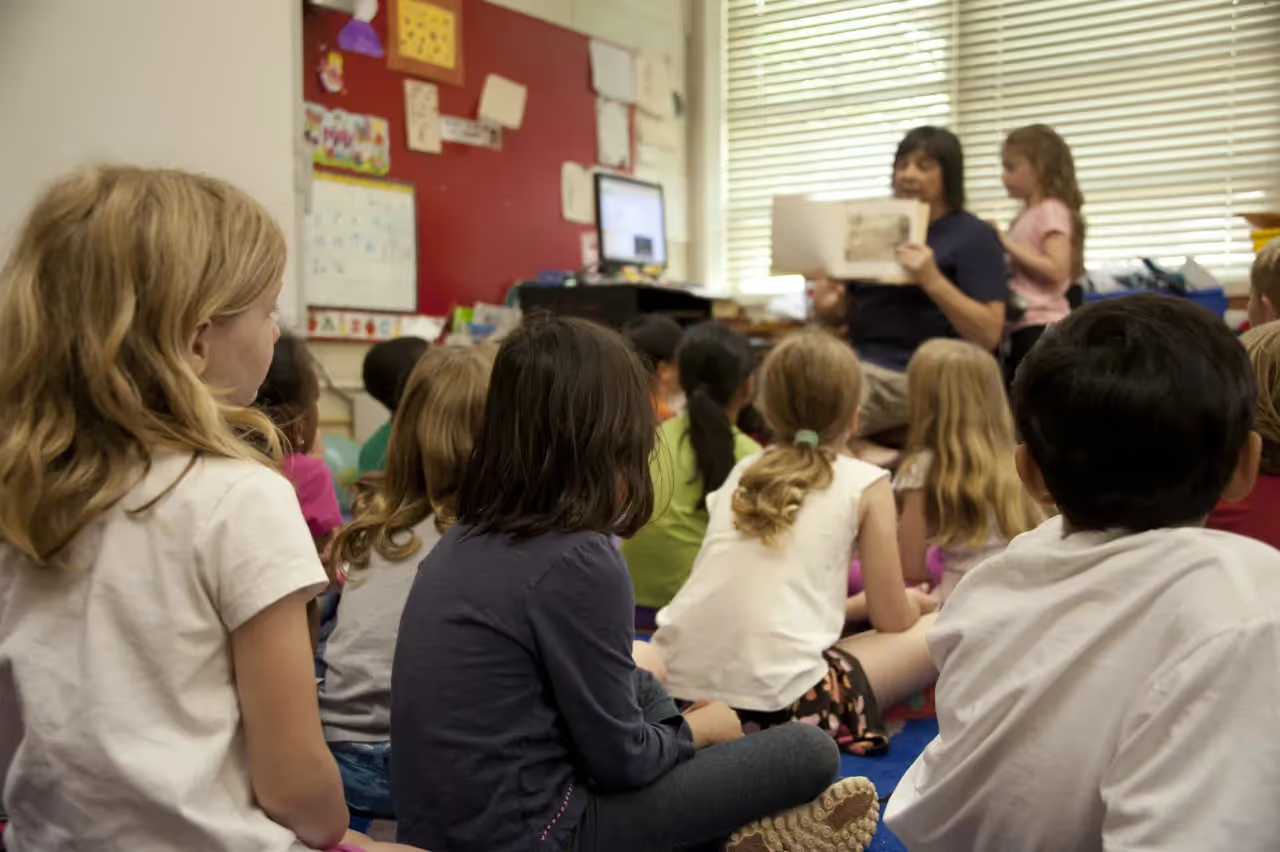
Once they know what sets off their anxiety, they can be better prepared to deal with it.
Anyone can experience anxiety at some point in their lives.
For children, anxiety can be especially challenging to deal with.
However, one of the best ways to help your child manage their anxiety is by assisting them in identifying their anxiety triggers.
Once they know what sets off their anxiety, they can be better prepared to deal with it.
There are a few different ways that you can help your child identify their anxiety triggers.
You can ask them to keep track of when they feel anxious and what was happening at the time.
This can either be done verbally or through writing.
You can also ask them questions about their environment, such as whether there were any loud noises or bright lights around when they felt anxious.
By helping your child to identify their anxiety triggers, you're giving them the power to better manage their anxiety.
Relaxation techniques can help to lessen anxiety.
This is a good approach for an anxiety strategy for elementary students.
There are a few different relaxation techniques that you can teach your child.
All of these techniques can help to lessen anxiety.
Teaching your child one or more of these techniques can give them a way to deal with anxiety when it arises.
One of the most effective anxiety-reducing strategies is regular exercise.
Exercise releases endorphins, which have mood-boosting effects.
Additionally, exercise can help to improve sleep quality and reduce stress levels.
Here are a few types of regular exercise for kids can do around the house:
There could be others that you might enjoy doing, but these are just a few ideas to get you started.
By encouraging your kids to get regular exercise, you're healthily supporting their anxiety management.
A good night's sleep can help to reduce anxiety levels.
Children in school need between 9 and 12 hours of sleep each night, this accounts for those students who are between the ages of 5 and 12.
There are a few things that you can do to help your child get enough sleep:
Sleep is an important part of helping one's anxiety.
By ensuring that your child is getting enough sleep, you're helping to reduce their anxiety levels.
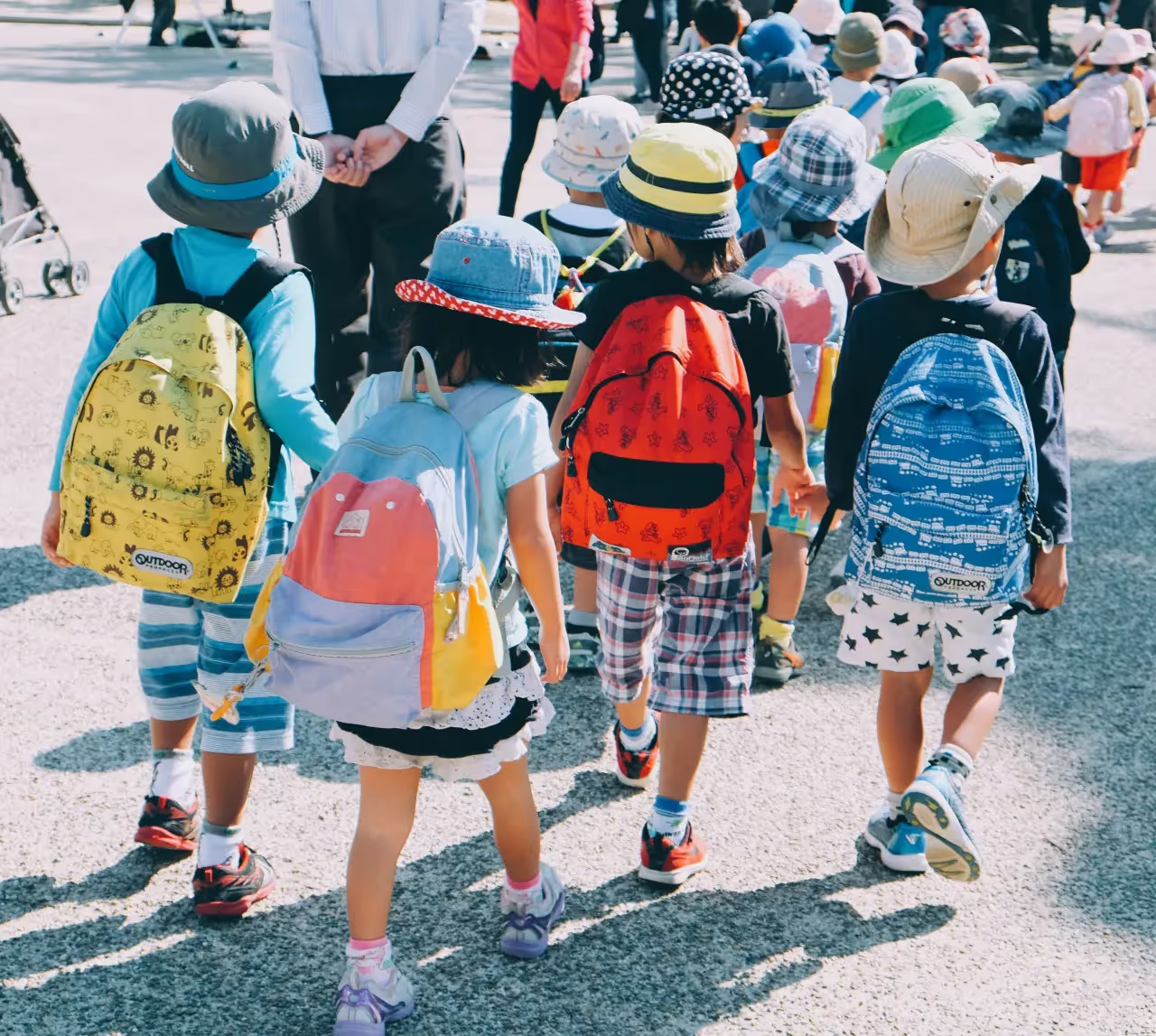
There are a variety of healthy coping skills that your child can learn.
One is problem-solving.
This involves teaching your child how to identify and solve problems healthily.
Some examples of this are:
Another healthy coping skill is time management.
This involves teaching your child how to use their time wisely.
This could include:
The last skill is self-care.
This involves teaching your child how to take care of themselves both physically and emotionally.
Examples of this can include:
By teaching your child healthy coping skills, you're giving them the tools they need to deal with anxiety healthily.
If anxiety is impacting your child's daily life, it may be time to seek professional help.
There are a variety of professionals who can help with anxiety, such as:
Speak with your child's doctor about anxiety and they can provide you with a list of professionals in your area.
The information in this article is not meant to be medical advice. It is for informational purposes only.
If you need medical advice please reach talk to your doctor or licensed professional.
There are a variety of anxiety strategies for elementary students.
These include relaxation techniques, regular exercise, and getting enough sleep.
Additionally, healthy coping skills can be taught to children in order to help them deal with anxiety.
Finally, if anxiety is impacting your child's life, professional help may be necessary.
By implementing some or all of these strategies, you may be able to help your child to reduce their anxiety.
Other activities which have been found helpful in reducing both immediate feelings of anxiousness and long-term anxieties associated with chronic disorders include yoga, journaling, nature walks, art therapy, volunteering, and other low-stress activities. Additionally, developing a healthy lifestyle incorporating adequate sleep, physical activity, and nutritious meals can help reduce overall stress levels.
Yes, Medicaid provides insurance coverage for therapy services specifically designed to help individuals struggling with anxiety, depression, and other mental health conditions.
We all get a little anxious sometimes—like a sudden jolt of nerves before a big presentation or a first date. But if that nervous feeling has become a constant companion, like an uninvited roommate that won’t leave, it might be time for counseling. Signs that it's more than a passing worry include persistent fear, difficulty sleeping, or avoiding situations that trigger your anxiety. We understand how exhausting this can be. We can work together to help you get your living space back.
Think of anxiety counseling as your personal guide to untangling a complicated knot of thoughts and fears. While it may feel impossible right now, you have the power to conquer it. We'll give you a toolkit of strategies, from understanding what's triggering your worry to practicing deep breathing exercises that calm your nervous system. Through counseling, you'll learn to recognize your thought patterns and challenge them, so you can stop being a passenger in your own life and start being the one in the driver’s seat.
The most effective approach to treating anxiety is like finding the perfect pair of shoes—what works for one person might not work for another. However, a common and effective therapy is Cognitive Behavioral Therapy (CBT). It helps you identify negative thought patterns and behaviors that feed your anxiety. We also use other approaches, like exposure therapy, to help you gradually face your fears in a safe and supportive way. We'll help you find the right fit for your unique needs.