Depression in women is a complex tapestry woven with threads of despair, anxiety, and physical discomfort that extend beyond mere sadness.This intricate...


Depression in women is a complex tapestry woven with threads of despair, anxiety, and physical discomfort that extend beyond mere sadness.
This intricate mental health condition can show itself differently in each individual, making it a chameleon-like entity that often goes unnoticed or misinterpreted.
From the persistent cloud of hopelessness to an unexpected loss of interest in once-loved activities, and even physical symptoms like chronic pain, the signs are as diverse as they are prevalent.
As we unravel these nine common signs of depression in women, we make a significant stride to understanding this often misunderstood condition.
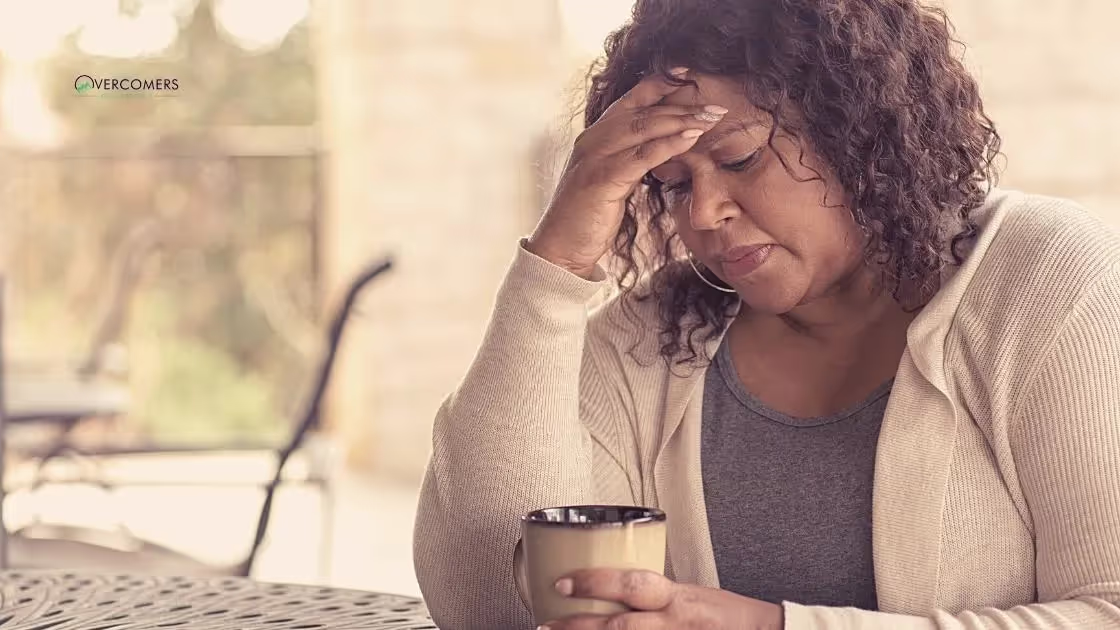
In women, persistent sadness often manifests differently than it does in men.
Women may experience feelings of guilt, worthlessness, and an overarching sense of hopelessness.
They might also become more sensitive to rejection or criticism and may cry more frequently.
The sadness might feel like a heavyweight, leading to a lack of motivation to engage in social activities, work, or even basic self-care.
It's important to note that these symptoms can vary greatly from person to person, but if they persist for two weeks or more, it's recommended to seek professional help.
Loss of interest in activities, also known as anhedonia, is a common sign of depression.
The loss of interest in women can have significant impacts on their daily lives and relationships.
For instance, they may pull away from friends and family or stop participating in social events.
They might stop engaging in hobbies or activities they previously enjoyed, such as reading, painting, or playing a sport.
This withdrawal can lead to increased feelings of isolation and loneliness, further exacerbating the depressive symptoms.
Note that this loss of interest goes beyond just feeling 'bored' or 'unmotivated' - it's a pervasive feeling that can make life seem 'colorless'.
Changes in appetite and weight are common symptoms of depression, and they may present differently in each individual.
Some women might lose interest in food entirely or forget to eat because they're so absorbed in their feelings of sadness.
On the other hand, some women might turn to food as a form of comfort to cope with their depression, leading to overeating and subsequent weight gain.
These changes in appetite and weight can also lead to further emotional distress, creating a vicious cycle that can exacerbate feelings of guilt, worthlessness, and body dissatisfaction.
Difficulty sleeping, or insomnia, is a common symptom of depression that can take various forms, including trouble falling asleep, staying asleep, or waking up much earlier than desired.
Lack of quality sleep can lead to physical health issues such as a weakened immune system, increased risk of heart disease, and high blood pressure.
It can also affect mental health, contributing to increased anxiety, irritability, and even worsening the symptoms of depression.
Furthermore, research suggests that women are more likely than men to experience insomnia, making this symptom especially pertinent in women suffering from depression.
Everyday activities like getting out of bed, taking a shower, preparing meals, or even just moving can become overwhelming undertakings.
Women often juggle multiple roles and responsibilities, such as being caregivers, employees, friends, and more.
The persistent fatigue associated with depression can make fulfilling these roles incredibly challenging, leading to feelings of inadequacy, guilt and further worsening the depressive symptoms.
It's like being trapped in a constant state of weariness, where even the thought of doing something can feel exhausting.
Feelings of worthlessness or guilt are pervasive symptoms of depression that can distort a person's self-perception.
This can manifest in various ways in women, such as feeling undeserving of love or happiness, believing in being a burden to others, or feeling inadequate in their roles as a mother, wives, friends, etc.
It's a debilitating cycle that can make it difficult for women to recognize their value and worth, impacting not just their mental health but also their relationships, productivity, and overall quality of life.

Difficulty concentrating is a common symptom experienced by many women, particularly during menopause.
This symptom can be incredibly challenging and disruptive, transforming routine tasks into monumental challenges.
It's like trying to navigate through a dense fog where the simplest of tasks seem complex and overwhelming.
Difficulty concentrating can contribute to negative thinking, indecisiveness, and even forgetfulness.
It's a ripple effect that can heighten stress levels and potentially worsen other menopausal symptoms, creating a cycle that feels never-ending.
Yet, it's crucial to remember that this is a symptom – not a personal failing – and there are strategies and treatments available to manage it.
Unexplained physical problems, often referred to as medically unexplained symptoms or persistent physical symptoms, are prevalent issues that can cause significant distress and functional impairment.
These symptoms can range widely and include conditions such as irritable bowel syndrome and fibromyalgia, which cause troubling stomach symptoms and widespread pain, respectively.
Other common medically unexplained symptoms include musculoskeletal pain, ear, nose, and throat symptoms.
The psychological stress from depression triggers the release of the hormone cortisol.
This increase in cortisol can lead to changes in the menstrual cycle, such as irregular periods or more painful menstrual cramps.
The hormone imbalance can disrupt the regularity of the menstrual cycle, leading to periods that may come earlier or later than expected.
In some cases, periods may even stop altogether.
In addition to irregular periods, some women may experience increased pain during their menstrual cycle when dealing with depression.
This is because cortisol, the hormone released during times of stress, can lead to inflammation and a heightened perception of pain.
Depression in women manifests in various ways, including persistent sadness, feelings of hopelessness, loss of interest in activities, changes in sleep and eating patterns, feelings of worthlessness, difficulty concentrating, physical symptoms, etc.
It can also lead to noticeable changes in the menstrual cycle, such as irregular periods or increased menstrual pain.
It's vital for anyone experiencing these symptoms, or if you know someone who is, to immediately contact a professional in mental health.
Depression should not be viewed as a personal failing, but rather as a health issue that necessitates medical intervention.
With appropriate assistance and attention, one can indeed overcome it and look forward to a more positive and healthier future.
Therapy can help with many types of depression, including major depressive disorder, persistent depressive disorder (dysthymia), seasonal affective disorder, postpartum depression, and depression related to life transitions or grief. Your therapist will tailor treatment to your specific needs.
What is the goal of depression counseling?
Living with depression can feel like walking through thick fog every day, where the world looks muted and it’s hard to find your way. The goal of counseling isn’t to instantly make the fog disappear. It’s to give you a powerful flashlight so you can find your path again. Depression counseling helps you better understand your symptoms of depression, identify what’s contributing to them, and learn healthier ways of coping.
We work together to help you understand what's behind the fog, rediscover your sense of purpose, and rebuild your life, one step at a time. We believe in your capacity to feel joy again.
How can counseling help me get my life back?
When you're dealing with depression, even the smallest tasks can feel like climbing a mountain. Counseling helps you build the skills and stamina to make that climb. Through evidence-based approaches such as cognitive behavioral therapy (CBT), we help challenge unhelpful thought patterns and behaviors that reinforce depression.
We'll help you challenge the negative thought patterns that weigh you down and find ways to re-engage with your life. Treating depression is not about perfection; it’s about progress and learning how to support yourself with compassion.
Can therapy really help with depression?
Yes! Therapy is one of the most effective ways to treat depression. Research consistently shows that depression therapy—especially CBT—is effective for depression, including major depressive disorder and persistent depressive disorder.
We'll help you navigate the difficult emotions and challenge the unhelpful beliefs that are holding you back. You are not alone in this fight, and we'll be there to support you every step of the way.
What if I don't feel motivated to go to counseling?
We get it. Depression often drains motivation, energy, and hope. A lack of motivation is itself a common symptom of depression—not a failure. You don’t have to feel “ready” to start. Just showing up is enough. We’ll meet you where you are and move at a pace that feels manageable.