Anxiety can show up in many physical ways that disrupt daily life. Common symptoms include tight muscles, a fast or irregular heartbeat,...

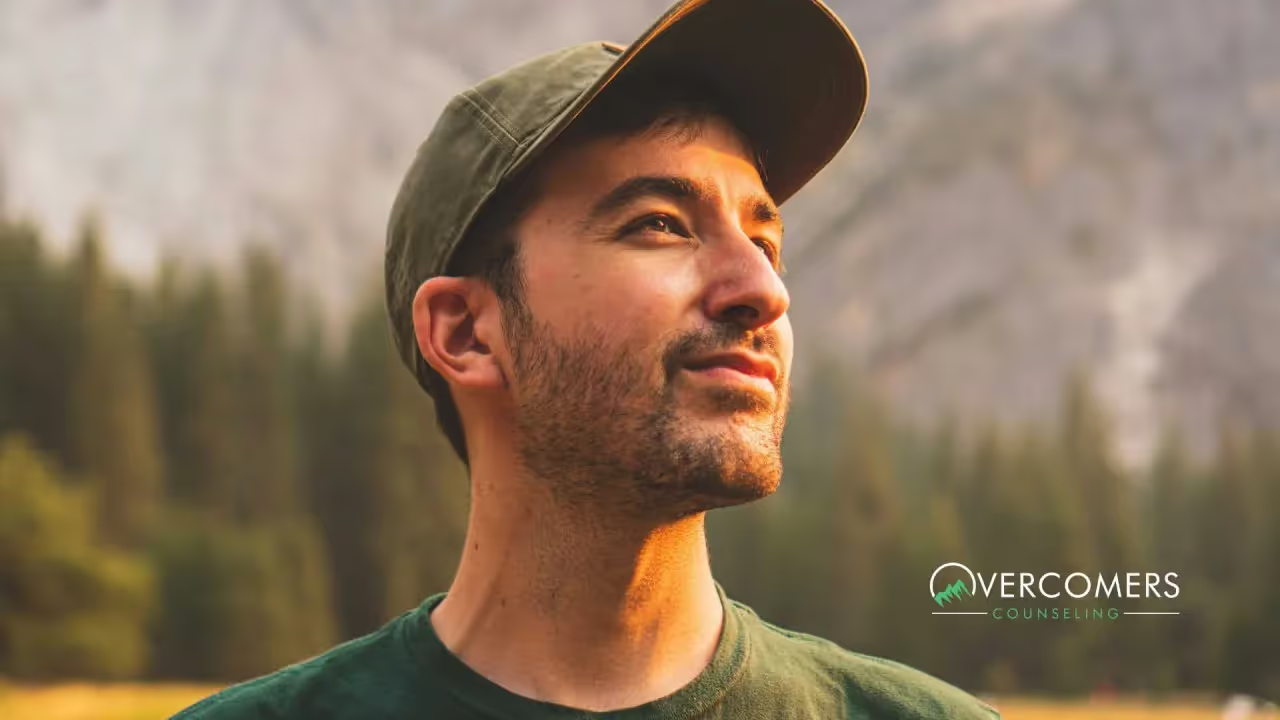
Anxiety can show up in many physical ways that disrupt daily life. Common symptoms include tight muscles, a fast or irregular heartbeat, sweating a lot, and trouble breathing.
These issues can make you feel uncomfortable and uneasy, making everyday tasks harder to manage.
It's important to address these physical symptoms to regain calm and enhance your overall quality of life.
Here are seven ideas to help relieve the physical symptoms of anxiety, providing practical ways to find relief.
Deep breathing exercises are great for managing anxiety and physical symptoms like a fast heartbeat and shortness of breath.
When we experience anxiety, our body triggers the "fight or flight" response, leading to shallow, rapid breathing. This type of breathing can exacerbate anxiety, creating a vicious cycle.
Deep breathing helps interrupt this cycle by stimulating the parasympathetic nervous system, which is responsible for relaxation.
Studies have shown that deep breathing can have significant physiological effects. It activates the vagus nerve, which plays an important role in regulating the parasympathetic nervous system.
This activation helps counteract the stress response, reducing cortisol levels and promoting a sense of relaxation.
Examples:
4-7-8 Breathing Technique
Box Breathing
When and where to practice deep breathing:
Incorporating deep breathing into daily routine:
Exercise helps reduce anxiety by releasing endorphins, which are natural painkillers and mood boosters in the brain.
Endorphins make you feel good and relaxed, fighting off the stress hormones that cause anxiety.
Types of Exercise Beneficial for Anxiety Relief
Different forms of exercise can be particularly effective in managing anxiety.
Here are some types that you might find helpful:
Setting Realistic Goals and Maintaining Consistency:
Progressive Muscle Relaxation (PMR) is a technique aimed at reducing muscle tension, often associated with anxiety.
The method involves tightly tensing a specific muscle group for a few seconds and then gradually releasing the tension.
This cycle of tensing and relaxing helps increase awareness of physical sensations and teaches your body how to relax effectively.
Mindfulness and meditation are powerful practices for reducing anxiety symptoms.
Mindfulness means focusing on the present moment without judging it. It helps people notice their thoughts, feelings, and physical sensations, making it easier to handle stress.
Meditation is a broader practice that includes various techniques to focus the mind and achieve a state of relaxation. It can involve mindfulness but also includes other methods such as guided visualization and mantra repetition.
Examples:

The food and drinks we consume can either help alleviate or exacerbate anxiety symptoms. Adjusting your diet to include certain nutrients can improve mood and reduce stress.
Foods that Can Help Alleviate Anxiety Symptoms:
There is a strong connection between sleep and anxiety. Poor sleep can worsen anxiety symptoms, creating a cycle where anxiety leads to insomnia, and lack of sleep increases anxiety.
Adequate, restful sleep is crucial for mental health and reducing stress.
How Poor Sleep Can Worsen Anxiety Symptoms
Lack of sleep impairs cognitive function and emotional regulation, making it harder to cope with daily stressors.
When you are sleep-deprived, the body produces more stress hormones, which can heighten anxiety levels.
Chronic sleep deprivation can also affect the brain's ability to process emotions, increasing feelings of irritability and anxiety.
Examples:
Grounding techniques are effective methods to help center your mind and body during anxious moments.
They work by shifting your focus from anxious thoughts to the present moment, providing a sense of control and stability.
Different Types of Grounding Techniques
Grounding techniques come in various forms, including sensory awareness, physical grounding, and mental exercises. Each type aims to anchor you in the present, helping to interrupt the cycle of anxious thoughts.
Examples:
Pairing grounding techniques with deep breathing can amplify their calming effects. As you perform grounding exercises, take slow, deep breaths to further relax your mind and body.
We covered several effective strategies to manage anxiety: Progressive Muscle Relaxation (PMR), mindfulness and meditation, nutritional adjustments, understanding the relationship between sleep and anxiety, and grounding techniques.
Each method offers unique benefits, from reducing physical tension and calming the mind to improving diet and sleep, all aimed at alleviating anxiety symptoms.
It's important to try different techniques to find what works best for you. Everyone's experience with anxiety is unique, and certain methods may be more effective for some than others. For personalized support, consider consulting a therapist or counselor at Overcomer Counseling.
Overcomer Counseling offers customized advice and expert techniques to assist you in managing anxiety more efficiently.
Remind yourself to be patient with yourself and give these techniques time to work. With consistent practice, they can become powerful tools in your anxiety-fighting arsenal.
Other activities which have been found helpful in reducing both immediate feelings of anxiousness and long-term anxieties associated with chronic disorders include yoga, journaling, nature walks, art therapy, volunteering, and other low-stress activities. Additionally, developing a healthy lifestyle incorporating adequate sleep, physical activity, and nutritious meals can help reduce overall stress levels.
Yes, Medicaid provides insurance coverage for therapy services specifically designed to help individuals struggling with anxiety, depression, and other mental health conditions.
We all get a little anxious sometimes—like a sudden jolt of nerves before a big presentation or a first date. But if that nervous feeling has become a constant companion, like an uninvited roommate that won’t leave, it might be time for counseling. Signs that it's more than a passing worry include persistent fear, difficulty sleeping, or avoiding situations that trigger your anxiety. We understand how exhausting this can be. We can work together to help you get your living space back.
Think of anxiety counseling as your personal guide to untangling a complicated knot of thoughts and fears. While it may feel impossible right now, you have the power to conquer it. We'll give you a toolkit of strategies, from understanding what's triggering your worry to practicing deep breathing exercises that calm your nervous system. Through counseling, you'll learn to recognize your thought patterns and challenge them, so you can stop being a passenger in your own life and start being the one in the driver’s seat.
The most effective approach to treating anxiety is like finding the perfect pair of shoes—what works for one person might not work for another. However, a common and effective therapy is Cognitive Behavioral Therapy (CBT). It helps you identify negative thought patterns and behaviors that feed your anxiety. We also use other approaches, like exposure therapy, to help you gradually face your fears in a safe and supportive way. We'll help you find the right fit for your unique needs.