
Unfortunately, we live in a society that doesn't do a good job of empathizing with those in recovery.While many people may view you as someone who lacks...


Unfortunately, we live in a society that doesn't do a good job of empathizing with those in recovery.
While many people may view you as someone who lacks willpower, this isn't the attitude you want your addiction counselor to have.
Instead, you want someone who understands that addiction is a disease that changes your brain.
This is only the beginning of what you should expect from your addiction counselor though.
Here are a few of the other things you should consider when looking for someone to work with.
One of the first things you need to know when you're ready to look for an addiction counselor to work with is what their role in your recovery will be.
Simply put, they're there to help you work on your addiction's symptoms through behavioral changes, developing recovery skills, and improving your self-motivation and self-worth.
When you start working with a therapist your goal should be to maintain your sobriety.
You'll also need to address any behaviors that have stemmed from your substance abuse.
Lifestyle rehabilitation is also an important goal when working with a counselor.
They're there to help you create a healthy support system.
However, you need to be self-motivated to seek support from others (e.g., treatment professionals, sponsors, recovering peers, or family members) too.
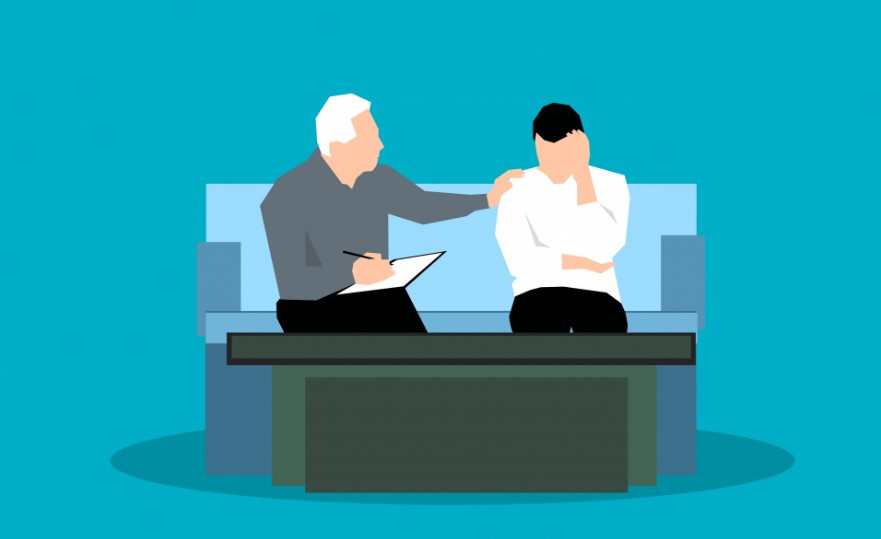
You want to make sure that you choose an addiction counselor who's been properly trained.
This means finding someone who has a master's degree in the human services field.
At a minimum, you want them to have at least three years of training in addiction counseling and demonstrate familiarity with the various modes of recovery (e.g., 12-step programs, SMART).
Although it may surprise you, many addiction counselors are in recovery themselves.
Others have had close experience with the addiction field.
This experience is beneficial because it improves upon the knowledge they have regarding the addiction cycle.
It also makes them more inclined to empathize with their patients.
If you choose to work with an addiction counselor who's in recovery themselves, make sure that they have at least 5 years of active recovery behind them.
When you've faced a trauma that's led to your addiction you'll want to connect with a trauma-based addiction counselor.
These therapists hold special certification in trauma treatment (e.g., cognitive behavioral therapy, dialectical behavior therapy, acceptance and commitment therapy) alongside their traditional training (e.g., EMDR, EFT, NLP, hypnosis).
It's recommended that you choose someone who has experience working with the type of trauma you've experienced (e.g., sexual assault, domestic violence, child abuse).
Doing so will enable them to be more effective in navigating and guiding you through the healing process.

When you first meet your addiction counselor you'll not only want to ensure that they act professionally but you'll also want to observe whether they have tact and a constructive attitude.
These attitudes are important because they help promote positive growth.
Of course, you'll also want them to be accepting, listen carefully and show that they respect you by being punctual.
Overcomers Counseling has qualified addiction counselors available to help you.
Take a moment to look around our site and check out all that we have to offer.
Then schedule an appointment with us.
We look forward to walking alongside you on your journey to recovery.
You can teach your child persistence by modeling the behavior yourself, encouraging them to take risks, setting goals and tracking progress, praising effort, and providing support and guidance.
Parenting is a lot like trying to build a plane while it's in the air—it's overwhelming, and there's no official manual. The goal of parenting counseling isn’t to give you all the answers. It’s to help you become the confident pilot you were meant to be. We'll work together to help you find a parenting style that feels authentic to you, so you can raise children who are kind, confident, and resilient. You can do this.
Dealing with a child's behavior can feel like a constant battle, and it's easy to feel defeated. Counseling helps you find a new way to communicate. We'll help you understand the "why" behind your child's behavior, and we’ll give you a new playbook for responding to them with empathy and compassion. You can find a way to connect with your child and build a more peaceful family life.
Every parent needs some support. If you're feeling constantly stressed, if your child's behavior feels out of control, or if you feel disconnected from your family, it might be time for some help. Parenting counseling is a powerful tool to help you get your family back on track. We believe in your capacity to be a great parent, and we’re here to help you get there.
Family communication breakdown can feel like you’re all in the same room but speaking different languages. It's frustrating and can lead to a lot of conflict. Counseling helps you find a translator for those misunderstandings and learn to communicate with respect. We'll help you find new ways to express your feelings and listen to each other with empathy, so you can stop arguing and start connecting.