Today, social media platforms have made it possible to know intimate details about a person's life, making us form a connection and kinship with them...

.avif)
Today, social media platforms have made it possible to know intimate details about a person's life, making us form a connection and kinship with them without having personal interactions together. So, it's normal to experience a period of sorrow and grief or feel anger or shock after the death of your favorite celebrity. Here are tips to help you cope with a celebrity's death. For one, you can read online articles about the celebrity's life. You will likely experience initial disbelief and anger when you first hear the news of their death. Taking time to read about the celebrity's death and the news reported on it will make it easier to accept their death. Also, you can share your condolences online. Condolences sent by fans can comfort the celebrity's family and help them through their grief. Also, by sharing your condolences online, you get the opportunity to connect with other fans grieving the same loss. Similarly, caring for yourself will help you cope through your healing journey; neglecting your health can make grief more difficult to overcome. If you're having difficulty, seek support for grief from friends, family, or a mental health practitioner. Read on to learn five tips to cope with a celebrity's death.
One way to cope with a celebrity's death in private is to search current articles reporting the death of the celebrity and the circumstances surrounding it. After hearing the news of the death, you'll most likely feel a sense of doubt, confusion, and shock. Take your time to surf through reports and articles online that might be helpful. Reading about their death or watching videos reporting the news will help you accept their death. It might take you multiple hours or even days to fully come to terms with the situation, but the more articles you read about their death, the easier it will be for you to accept the truth. Also, you can continue to watch their life from the onset of their fame to the milestones they achieved. Listening to or watching their work, life, and achievements can help you continue to feel connected to them even after their passing.
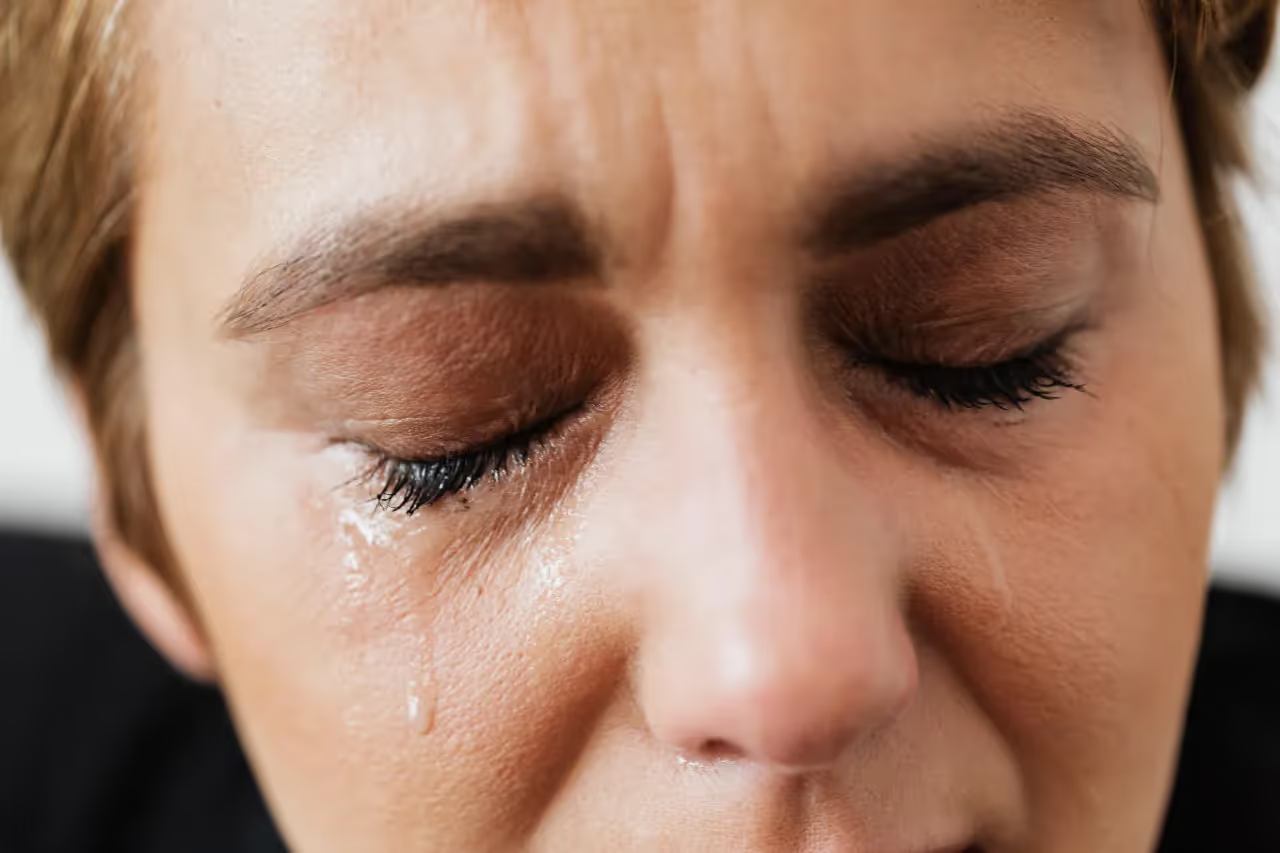
Online memorials are excellent ways to express your condolences and cope with a celebrity's death. This allows you to feel part of the grieving community, and your kind words can be comforting to their family. Messages and condolences shared by fans after the passing of a celebrity help their family know that they have impacted so many lives, and this can be a great source of comfort. Try to keep your message precise and relevant. You can send messages like "I'm deeply sorry for your loss. Our nation mourns with you,", "Today, our country lost an icon," or "sending prayers and positive thoughts. I'm sorry for your loss". This isn't the right time to request autographed photos of your celebrity or bombard their family with messages. While your messages and condolences can be comforting, they can also be overwhelming for their family. It will take lots of time to read all the messages left by loving fans, so be patient and don't expect anything in return.

Sharing stories about your favorite celebrity who passed on social media is a way to publicly mourn and cope with a celebrity's death. Your shared stories can be what you wrote yourself or reposts of what others shared online. They don't have to be personal interactions you had with the celebrity. You may have found some story online to be particularly captivating, or the story may represent how you feel and what the celebrity meant to you. Sharing these stories online helps you connect with others grieving the same as you are. You get to find a community that shares your feelings, and you can lean on them for support. Some social media platforms you can use are Instagram, Facebook, and Twitter. These are the platforms celebrities often use, so you'll surely be able to search and connect with others mourning the same loss. You may have to use search engines, type the celebrities name, or follow hashtags to see news related to the celebrity.
After losing someone we love, we can maintain our connection with them by honoring the life they lived and holding on to memories of them. The same applies to losing your favorite celebrity. You can cope with a celebrity's death by remembering the life they lived, their values, and how they impacted your life. You can create e memory box and fill it with items that remind you of them. It could be a photo, an autograph, a copy of their favorite thing, letters, pictures from their shows, or your small journal containing things you like about them. Also, you can make a playlist to help you remember them from time to time. You can make a compilation of your favorite song, concert, movie, or show they were part of or created. You can share your compiled list online to help other fans or invite people over for a listening or viewing party. Also, if your favorite celebrity died from a cause, it can be beneficial to spread awareness and health information online about the manner of the death. This can serve as a resource people can refer to for help regarding health conditions such as COVID, cancer, sepsis, or substance use disorder. Although this is for a good cause, remember to be sensitive when sharing in-depth information about the manner of death, as it can be difficult for the family to handle.
Self-care is paramount while grieving. The death of your favorite celebrity can take a toll on your emotional and mental health and cause immense grief. In order to cope with a celebrity's death and heal properly, you must practice self-care. Sticking to a familiar pattern provides a sense of security and comfort when grieving a loved one. So, continue doing all the happy and fun things you used to do. Maintain your regular routine as you grieve the death of your favorite celebrity. Also, avoid resorting to binge-eating, alcohol, binge-watching movies, or excessive spending to escape your feelings, as they will only do you more harm. Allow yourself to feel all the emotions of grief without trying to hide or suppress them. Suppose you are struggling with managing your emotions or accepting the loss of your favorite celebrity. In that case, you may benefit from seeking professional support from therapists or other licensed mental health professionals.
Losing someone we admire and look up to can be devastating. Celebrity or not, the feelings of grief don't get any less painful or intense. Thus, getting adequate support for grief will help you cope with a celebrity's death and overcome feelings of loss. You can cope and heal gradually by reading stories online, expressing condolences on social media, sharing stories online, remembering them, and taking care of yourself.
https://www.joincake.com/blog/grieving-over-a-celebrity-death/
https://www.choosingtherapy.com/grieving-a-celebrity-death/
https://modernloss.com/triggered-by-a-celebritys-death-here-are-7-ways-to-care-for-yourself/
Yes. Grief does not follow a timeline, and unresolved grief can resurface months or even years later. Grief counseling can help you process lingering emotions, make sense of your loss, and develop healthy coping strategies—no matter how much time has passed. Many people seek grief and loss counseling when they realize their grief is still affecting their daily life, relationships, or sense of peace.
Grief counseling and bereavement counseling are closely related and often used interchangeably. Both focus on helping individuals process loss and navigate the grieving process. Bereavement counseling typically refers specifically to grief after the death of a loved one, while grief counseling can also address other losses, such as divorce, miscarriage, loss of identity, or major life changes. A grief therapist will tailor support based on your unique experience and needs.
Grief can feel like a huge, overwhelming wave that just won't go away. The goal of counseling isn’t to make the wave disappear, but to teach you how to surf it. Grief counseling focuses on helping you move through the grieving process in a healthy, supported way—without pressure or judgment.
We work together to help you process your emotions, understand the stages of grief, and find a way to honor your loved one while still living your own life. Through grief therapy and bereavement counseling, many people find renewed stability and meaning, even after profound loss.
Grief is a deeply personal journey, and there’s no right or wrong way to do it. It’s a bit like a fingerprint—it's unique to you. You might feel a mix of sadness, anger, guilt, or even relief, and that's all okay. Grief and loss can affect emotions, sleep, focus, and even physical health—and all of these responses are valid.
There's no timeline or checklist for grief, and we want you to know that whatever you're feeling is valid. We provide a safe, non-judgmental space for you to process your emotions. Some people also benefit from grief support groups or additional supportive services alongside individual counseling.
After a loss, it can feel like your whole world has been turned upside down. Counseling helps you find your footing again. Grief counselors help you develop coping strategies, express emotions safely, and rebuild a sense of purpose at your own pace. We believe that healing is possible and that you can find a way to live a full and meaningful life, even in the midst of your pain.