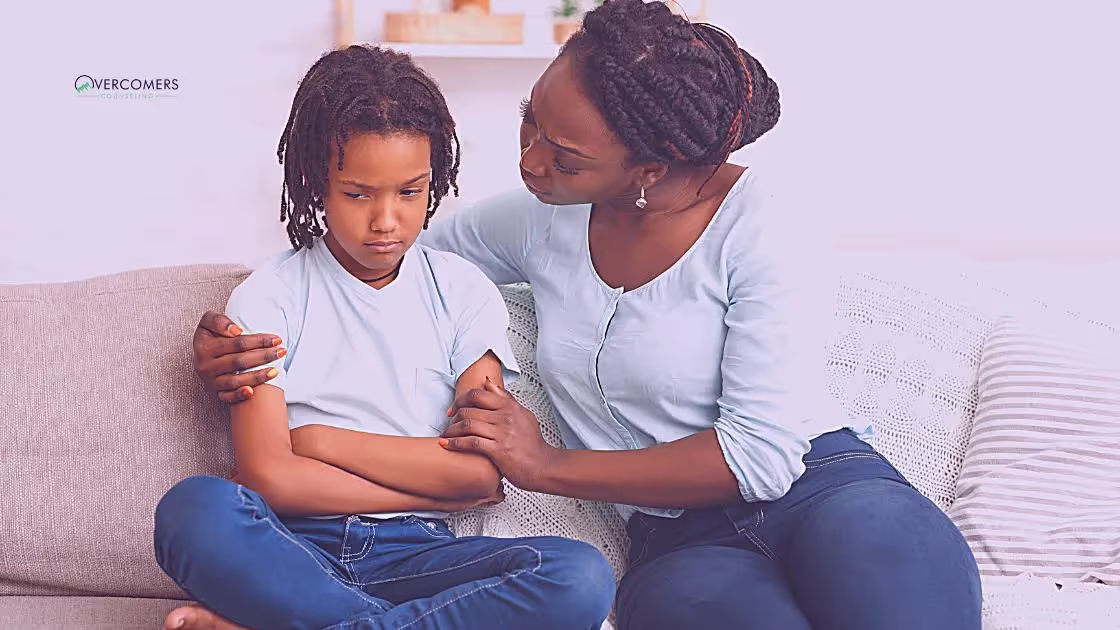
It can be very difficult to help elderly individuals cope with grief, as they often have more life experience and a greater understanding of what it means...


It can be very difficult to help elderly individuals cope with grief, as they often have more life experience and a greater understanding of what it means to lose someone.
The physical and mental effects that aging has on those who are older may make them particularly vulnerable to feelings of sadness and despair associated with the grieving process.
However, some steps can be taken to support an elderly individual who is coping with grief.
Here is a step-by-step process you can try when helping an elderly person cope with grief.
The first step in helping a senior cope with grief is to listen and provide comfort. Listening carefully, without judgment or interruption can be invaluable for the grieving process.
It is also important to offer words of encouragement and understanding.
Some ways you can phrase your encouragement are: "I am sorry for your loss and I'm here to support you no matter what," or "I can only imagine how difficult this must be for you."

Grief often leads to different kinds of depression and can cause an elderly individual to become withdrawn.
To help them rediscover the joy in their daily lives, provide activities that are engaging and supportive.
Activities like going for walks, doing puzzles, or sharing stories can all be excellent forms of distraction that promote emotional well-being. Some activities can be:
You may also want to suggest activities that the individual used to enjoy, such as gardening or cooking.
Although distracting oneself from grief is important, it is also essential to provide an outlet for feelings of grief and sadness so that they are not bottled up inside.
Encourage your elderly loved one to express themselves through writing, drawing, or talking.
Remind them that there is no right or wrong way to grieve and it is okay to feel how they are feeling.
Make sure to check in with the elderly person regularly.
Reaching out to them and continuing to provide support is an important part of helping them cope with their grief.
Simply talking on the phone or sending a text message can show them that they are not alone during this difficult time.
Grief is a natural part of life and everyone experiences it differently.
If the elderly individual is having difficulty coping with their grief, consider seeking professional help.
Grief counselors and therapists can provide additional support that may be beneficial.

What are some common symptoms of grief in the elderly?
There are a variety of symptoms that can be associated with grief in the elderly. Some common physical symptoms include fatigue, changes in appetite, and difficulty sleeping. Emotional symptoms can include sadness, anger, anxiety, and guilt. It's also common for those who are grieving to withdraw from social activities and lose interest in hobbies or activities they once enjoyed.
How long does grief usually last in the elderly?
There is no "right" or "wrong" answer when it comes to how long grief will last in the elderly. For some people, the grieving process may last for several months or even years. For others, it may come in waves ��� they may have periods of intense grief followed by periods of relative calm. It's important to remember that everyone grieves in their own way and at their own pace.
What are some helpful things I can say to an elderly loved one who is grieving?
It can be difficult to know what to say to someone who is grieving, but sometimes simply being there for them and offering your support can be helpful. You might try saying something like, "I'm here for you if you need to talk" or "I'm sorry for your loss." You could also offer to help with practical tasks such as running errands or cooking meals.
What are some things I should avoid saying to an elderly loved one who is grieving?
There are a few things you should avoid saying to someone who is grieving, as they can come across as insensitive or unhelpful. For example, don't tell them that it's "time to move on" or that they "should be over it by now." It's also best not to make any assumptions about how they're feeling or what they need ��� instead, ask them directly how you can help.
At Overcomers Counseling, we understand the challenges of coping with grief and are here to help.
Our experienced counselors provide compassionate support and guidance that can help elderly individuals recognize and manage their emotions in a healthy way.
We offer both individual counseling sessions as well as group sessions, which can be a great way for elderly individuals to connect with others who are going through a similar experience.
Contact us today for more information about our services and how we can help you or your elderly loved one cope with grief in a positive way. We look forward to hearing from you!
Grief can be a difficult and emotional experience, but it is important to remember that everyone experiences grief differently.
It is also important to provide an outlet for these feelings so they are not bottled up inside.
Encouraging elderly individuals to talk about their feelings or seek professional help if needed can be beneficial. Additionally, providing practical support such as running errands or cooking meals can be a great way to show your support and understanding.
By following these steps, you can help elderly individuals cope with their grief and find solace in knowing that they are not alone.
Grief is a part of life, but it does not have to be faced alone. With your support and understanding, an elderly person can begin to heal from the loss of a loved one.
Some signs that you may be ready to move on include feeling at peace with the breakup, no longer regularly thinking about your ex, and having a renewed sense of optimism. Ultimately, only you can decide when you're ready to start dating again or take other steps toward moving on.
There are a few things you can do to help ease your pain during the holiday season. First, try to avoid triggers that may cause you to feel sad or upset. Triggers can be anything from certain songs or smells, to seeing certain people or places. If you know there will be triggers at holiday gatherings, try to arrive late or leave early if possible. You can also try to create new traditions that don't involve the triggers.
It is completely normal to feel dread or even fear when thinking about the upcoming holiday season. One way to ease your anxiety is by planning ahead and being prepared for how you will deal with tough moments. If there are certain events you know will be difficult, try to come up with an exit strategy beforehand so you can leave if needed. It can also be helpful to talk to a therapist or counselor before the holidays to help you manage your expectations and emotions.
It's important to remember that you are allowed to grieve however you need to, and that doesn't mean you have to ruin the holidays for everyone else. If you need to take a break from holiday festivities, do so. Go for a walk, take a nap, watch a movie—whatever you need to do to take care of yourself. You can also try talking to your family about your grief ahead of time and asking for their understanding and support.
There are many ways you can honor your loved one's memory during the holidays. You could decorate in their favorite colors, play their favorite music, make their favorite food, or even just talk about them often throughout the holiday season. You could also create a new tradition in their memory, such as planting a tree or making a donation in their name.