What is gambling?Gambling is defined as any wagering event for which there is a short time interval between placing the bet, playing the game, and learning...


Gambling is defined as any wagering event for which there is a short time interval between placing the bet, playing the game, and learning the outcome.
It is the betting or staking of something of value, with the consciousness of risk and hope of gain, on the outcome of a game, a contest, or an uncertain event whose result may be determined by chance or accident or have an unexpected result by reason of the bettor���s miscalculation.
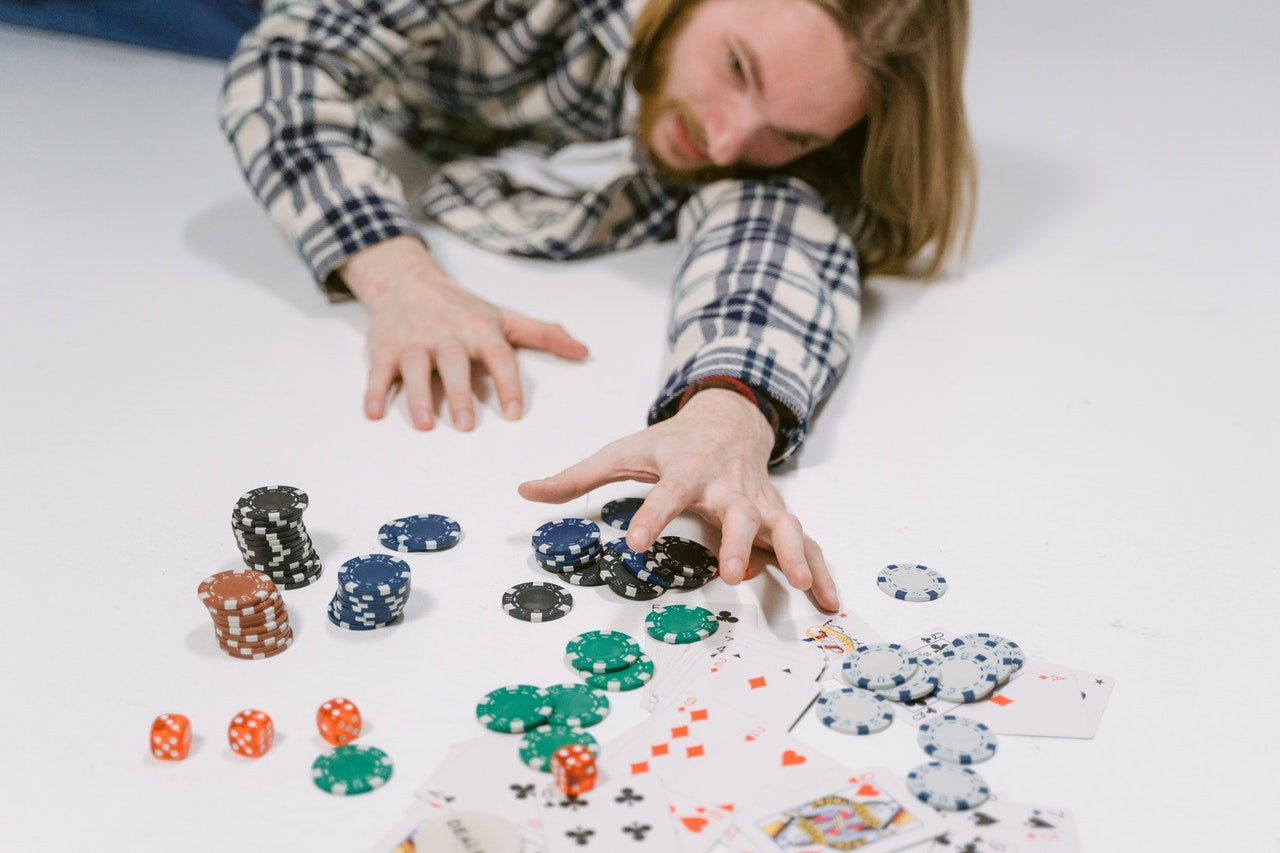
Gambling becomes an addiction or disorder when an individual has an uncontrollable urge to keep gambling.
Such individuals will keep gambling even when they are met with difficult mental, social and financial consequences.
The majority of individuals do not consider gambling to be a problem because it is seen as a quick way to get money.
As a result, the number of gamblers continues to rise year after year.
There are numerous signs and symptoms that can indicate that a person has a gambling addiction.
The problem with gambling addiction is that some addicts are unaware of their condition.
Gamblers frequently believe that they can stop gambling whenever they choose, yet they soon find themselves gambling again.
It is not necessary for people who have a gambling addiction to bet regularly.
However, once they begin gambling, they may find it difficult to stop.
If you fear you have a gambling addiction, ask yourself these questions.
Do you bet more than you can afford to lose?
Have you tried to win back money you have lost to gambling?
Have you ever borrowed money or sold anything to gamble?
Have you failed several times to quit gambling?
Has your gambling caused any financial problems for you or your household?
Has your gambling caused you any health problems, including depression, anxiety or stress?
If your answer to any of these questions is yes, then you have a gambling addiction.
Having a gambling addiction comes with a series of negative repercussions and can have a significant influence on one���s physical, emotional and financial well-being.
"A gambler is nothing but a man who makes his living out of false hope."
-William Bolitho
Accepting that one is addicted to gambling is the first step toward recovery. People say that a problem that has been identified is a problem that is half-solved. Gambling addiction has a variety of negative consequences that are not always as obvious as those associated with substance abuse. A wide range of negative effects on the individual family and society have been reported. Uncontrolled gambling, sometimes fueled by desperate attempts to reclaim money loss gives room to more financial difficulties, extreme poverty, and even loss of trust and failure to carry out expected responsibilities. It can also lead to participation in other risky behaviors, such as excessive drinking, substance use, and crime, which are just a few examples:
Most people gamble because of their financial difficulties. Gambling is not a way to solve your financial problems. Gambling should be viewed as a means of entertainment and a way of making quick money.One of the most effective ways to stop gambling is to quit while you can. Stop visiting places you gamble. If you engage in online gambling, block your access to these sites and also disengage yourself from gambling forums or any discussion that can lead you back to gambling. Talk to someone Gambling addiction has a lot of negative side effects that can lead to anxiety, stress, and depression. When you realize that you have a gambling addiction, share your problem with trusted friends and family. Do not bottle up your worries about gambling as this can lead to more mental health problems.
If you must gamble, decide upon three things at the start: the rules of the game, the stake, and the quitting time. One of the most reoccurring problems developed from gambling addiction is the urge to borrow or sell properties in order to fund gambling. This will only lead to more financial problems because, in gambling, you cannot be the winner forever.
The most effective way to quit gambling addiction is to seek professional help. You might be able to overcome your gambling addiction with the support of a rehabilitation program, one-on-one counseling, medication, and lifestyle modifications. If you do not get help for your gambling addiction, you could end yourself in significant financial trouble. It can have a detrimental impact on your relationship with family, friends, and other people. Treatment that is effective can help avoid these repercussions and repair your relationship while you are in recovery.
Some may see gambling as a trivial issue but it has ruined more people, families, and relationships than talked about. If you suspect you might be addicted do not be afraid to seek professional help, or talk to someone. A gambling addiction just like any other addiction is nothing to be ashamed of. So it's important that you; change your life today, don't gamble on the future, act now, without delay.
For someone with a gambling addiction, the game can take over their life. The goal of counseling isn’t just to help you stop playing; it’s to help you reclaim your life, so you can start living it for real. We work together to help you understand the root of your need to gamble and give you the tools to rebuild your life on a foundation of purpose. We believe you can find a way to live a full and rewarding life, free from addiction.
A gambling addiction can be difficult to spot, especially because there are no physical signs of substance use. But if you’re constantly thinking about gambling, lying about your losses, or feeling a strong urge to gamble to get money back, it might be a sign that you have a problem. We understand that this is a difficult thing to admit. We'll provide a safe and supportive space for you to explore what’s happening and help you take the first step to a better life.
Yes! Therapy is a powerful tool to help you overcome a gambling addiction. Think of it as a guide to help you find a way out of the maze. Therapy helps you identify the triggers that lead to your compulsive gambling and teaches you new coping skills. We’ll help you find new ways to handle life’s stresses and manage difficult emotions without turning to gambling. We believe you have the power to stop the cycle and live a life of freedom.
The biggest challenge in overcoming a gambling addiction is often the belief that you can beat it. It's that voice that says, "just one more time, and I'll win it all back." Counseling helps you turn down the volume on that voice and replace it with a new, more empowering one. We’ll work together to help you find the motivation to change and to get excited about living a life without gambling. You are in control, and we can help you find a new way to live.