If you're searching for preteen counseling in Colorado, here's the direct answer: ages 11 to 13 are one of the most emotionally turbulent stretches of childhood, as kids navigate puberty, shifting friendships, and the first real taste of wanting independence -- and having the right support during this window can shape how they handle stress for years to come.
Preteens are in an in-between place. They're not quite kids anymore, but they're not teenagers either -- and that in-between often shows up as mood swings, withdrawal, sudden sensitivity to criticism, or friendships that seem to blow up overnight. Middle school adds its own pressure: new social dynamics, more academic demands, and a growing awareness of how they compare to everyone around them. If your preteen feels harder to reach than they used to, that's common -- not a sign you've done something wrong.
What Preteen Counseling Looks Like
Our approach to counseling for this age group respects that preteens want to be taken seriously, not talked down to. A skilled child therapist creates a space where an 11-, 12-, or 13-year-old can be honest about what's really going on -- body image, friendship stress, family changes, anxiety, or the early signs of depression -- without feeling like they're being lectured.
Families often come to us during a specific shift: grades slipping, a formerly outgoing kid pulling away, conflict at home escalating, or a preteen who seems anxious or low more days than not. Others want proactive support helping their child build confidence and coping skills before high school ramps up the pressure further. Puberty itself can also be a quiet source of distress worth naming out loud, rather than something a preteen is left to sort out alone.
How We Help
Our providers balance individual sessions with age-appropriate parent check-ins, so you stay informed without your preteen feeling like their privacy is being overridden -- a balance that matters a lot at this age. We help preteens build real skills: managing anxious thoughts, navigating friendship conflict, developing self-esteem that isn't dependent on fitting in, and learning to talk about hard things instead of shutting down. Some preteens open up easily in conversation; others need a more indirect approach, and our providers adjust the format to fit your child rather than the other way around. For clients who want it, we also offer faith-integrated counseling.
If your preteen is struggling with thoughts of self-harm or hopelessness, please don't wait -- call or text 988, the Suicide & Crisis Lifeline, or 911 in an emergency. Overcomers Counseling provides ongoing support, not crisis intervention, and getting immediate help matters more than scheduling a first appointment.
What Can Start to Change
You may not get your child back exactly the way they were before puberty hit -- that's not really the goal. What changes is the tension in the house, the sense that your preteen has somewhere to put their feelings besides slamming a door, and a little more trust between you and them, one honest conversation at a time. Small shifts count here: a preteen who used to give one-word answers starting to volunteer more, or a household that feels a little less like walking on eggshells.
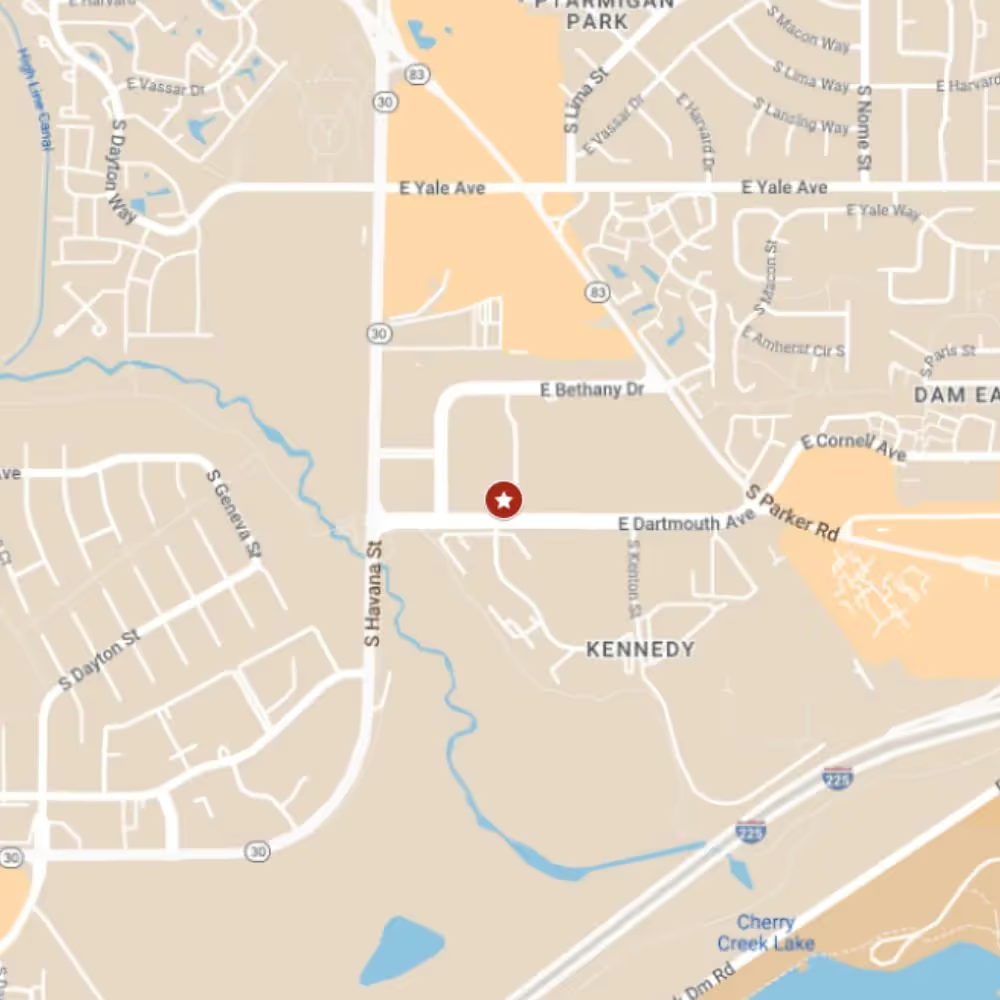
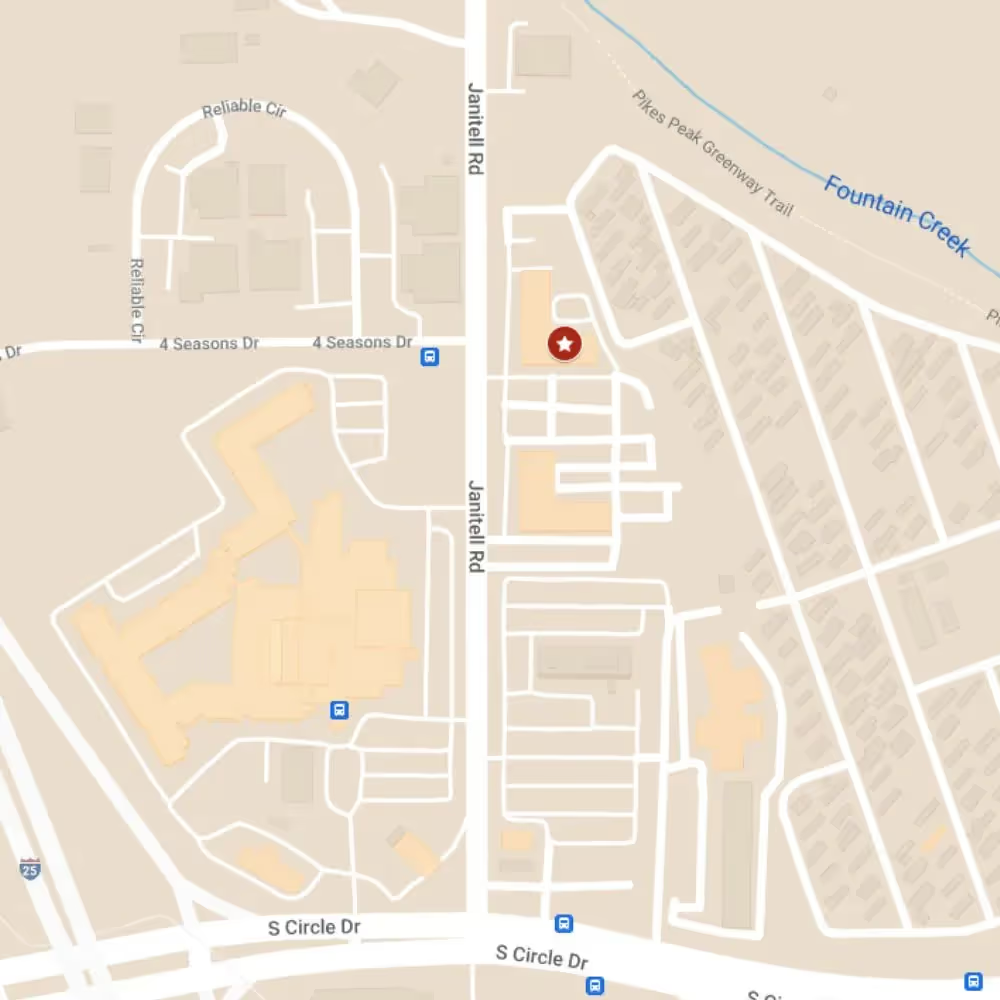
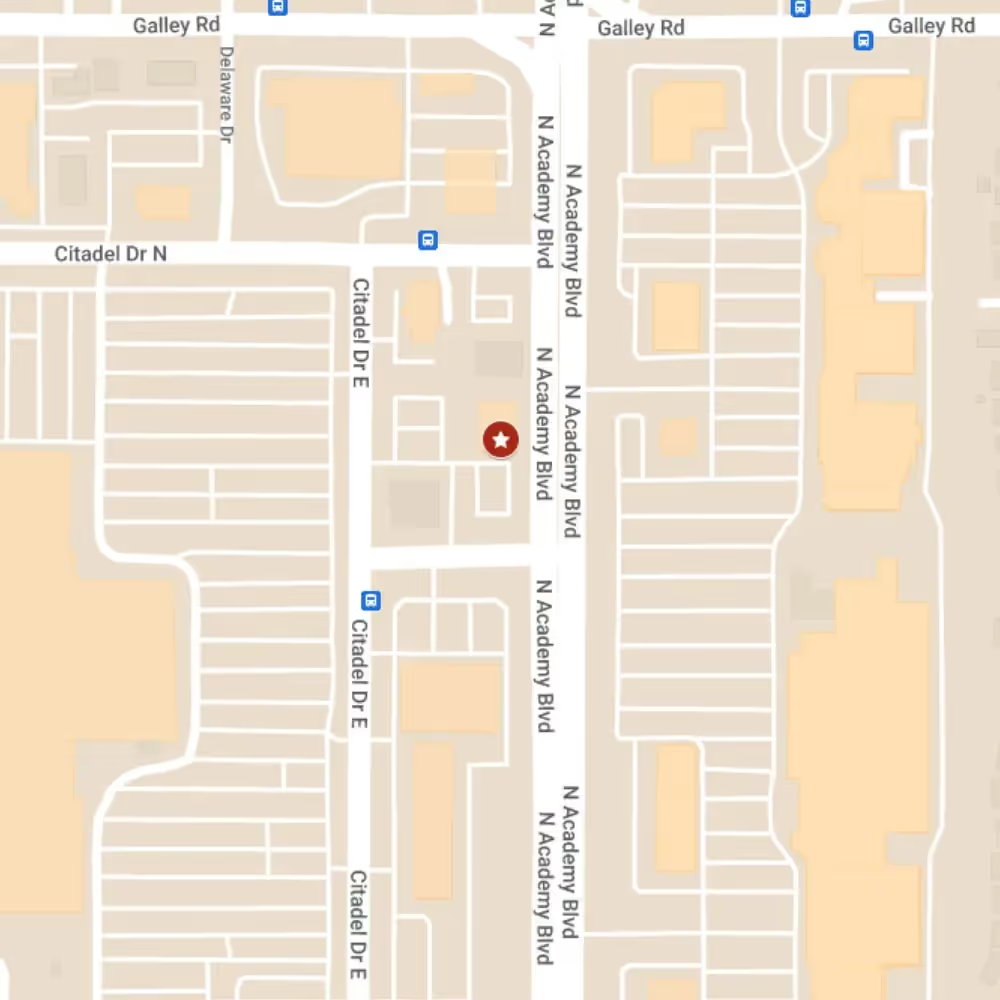
We offer preteen counseling across Colorado Springs, Aurora, Fort Collins, and Pueblo, plus teletherapy statewide for families who'd rather meet from home. We accept Medicaid and most major insurance, including Aetna, Cigna, UnitedHealthcare, Kaiser, Anthem BCBS, and Tricare, so cost isn't a barrier to getting your preteen the right support.
However distant your preteen feels right now, reaching out is a sign of strength -- for both of you. Get matched with a therapist today.
.jpg)