Goals at Overcomers
Overcomers' mission is not only to support and care for the mental health of our clients but also to see each staff member achieve their desired ambitions, professionally and personally. This is one of our core values, which is why we have strived to allow for flexibility and a certain degree of autonomy, even for employees. The next aspect to support our staff members is Goals! Setting and achieving Goals are vital to a person's growth year over year.
Company-Wide Goals
We have several Company Goals located within Paylocity that match some of the common goals assigned to clinicians or those who work in customer service (i.e., Support Team).
Starting in 2025, all the company goals will be assigned to their perspective work position. Some staff members have completed these goals already, which is excellent; therefore, you can mark these goals as complete. However, some of these goals are in progress, which is also great. Learn more about Goal creation and editing here: Performance - Manage Employee Goals.
Setting clear and purposeful goals is vital to driving progress and achieving success, both individually and as an organization. Goals provide a sense of direction, enabling teams to focus their energy on what truly matters. They help enhance productivity by breaking down larger objectives into manageable tasks, while fostering a sense of achievement as milestones are reached. Aligning individual goals with the company’s overarching objectives ensures that everyone is working in harmony toward shared success, building a unified and motivated workforce.
Below is a list of 'company goals' at Overcomers, each of which has been assigned to their respective work position/department.
Company Goals for Clinicians
Clinical Diagnosing Specialist
The goal of a Clinical Diagnosing Specialist is to empower clinicians to provide accurate and thorough client diagnoses while strictly adhering to DSM criteria. This objective underscores the importance of precision and a deep understanding of diagnostic standards to ensure that each client receives a tailored and effective treatment plan. By achieving this, clinicians can enhance client outcomes, foster trust in care delivery, and maintain compliance with professional and ethical guidelines. This commitment to diagnostic excellence not only elevates the quality of care but also reinforces Overcomers dedication to supporting both clinicians and the clients they serve.
Clinical Note Master
This goal is to empower clinicians to achieve a less than 10% rejected note rate by fostering exceptional standards in accuracy, clarity, and compliance. This objective emphasizes the importance of thorough and reliable documentation that meets all regulatory requirements and Overcomers' expectations. By minimizing errors and improving note approval rates, clinicians can enhance the quality of client care, reduce administrative burdens, and maintain the trust of clients and stakeholders. This goal reflects the commitment to precision and excellence, ensuring clinicians are equipped to support both their professional growth and the operational success of Overcomers.
Comprehensive Clinical Documentation Expert
This goal is to ensure clinicians develop the expertise to create accurate and thorough client files, meeting both professional and regulatory standards. This includes a clear understanding of which consents to utilize, which assessments to administer, as well as a comprehensive knowledge of insurance guidelines and the requirements set forth by the Department of Regulatory Agencies (DORA). Effective documentation is a cornerstone of quality client care, fostering trust and transparency while supporting compliance and ethical practices. By mastering these skills, clinicians not only enhance their ability to provide streamlined and efficient services but also reinforce Overcomers' commitment to accountability and excellence in care delivery. This goal epitomizes the importance of precision and diligence in every aspect of clinical work, contributing directly to improved client outcomes and operational success.
Intake Note Speedster
The goal of Intake Note Speedster is to ensure clinicians complete intake notes within 15 minutes, balancing speed with accuracy. This focus on efficiency allows clinicians to capture key client information promptly while maintaining the quality and thoroughness required for effective care. Achieving this goal not only streamlines the intake process but also enhances the overall client experience by fostering a seamless start to their care journey.
Documentation Timeliness
The goal of Documentation Timeliness is to ensure clinicians consistently complete client notes and documentation within 72 hours of the Date of Service (DOS). Timely documentation plays a critical role in maintaining accurate and up-to-date client records, fostering seamless communication among care teams, and adhering to regulatory standards. By achieving this goal, clinicians can enhance the quality of client care, reduce administrative delays, and support a more efficient and responsive workflow. This commitment to prompt recordkeeping reflects Overcomers' dedication to operational excellence and the highest standards of professional care.
Mastery in Clinical Skills
This goal is to nurture and enhance the core skills that empower clinicians to excel in their profession. These new skills can come from training courses, certifications, conferences, etc. This involves fostering a culture of continuous learning and professional growth, enabling clinicians to refine their abilities and stay at the forefront of best practices in mental health. By investing in this development, clinicians not only elevate their own careers but also significantly improve the quality of care delivered to clients, fostering trust and positive outcomes. This goal underscores Overcomers' commitment to providing clinicians with the tools and resources they need to grow, thrive, and make a lasting impact in the lives of those they serve.
Optimal Caseload Management
The goal of Optimal Caseload Management is for clinicians to achieve and maintain their desired caseload size, ensuring a harmonious balance between client needs and clinician capacity. This involves regularly evaluating caseloads, providing high-quality care to each client, and making adjustments as necessary, such as requesting or transferring clients to maintain equilibrium. By achieving this goal, clinicians can foster client satisfaction, improve care outcomes, and promote their own professional well-being. This commitment reflects Overcomers' dedication to sustainable workload practices and the delivery of exceptional client care.
Progress Note Speedster
The goal of Progress Note Speedster is to ensure clinicians document client progress within 7 minutes, striking a balance between efficiency and precision. This standard enables clinicians to accurately capture key details of client sessions while optimizing their time to focus on delivering high-quality care. By adhering to this goal, clinicians contribute to maintaining comprehensive and up-to-date client records, which are essential for consistent and effective care delivery.
Company Goals for the Support Team
Customer Service Specialist
The role of a Customer Service Specialist in the mental health industry is grounded in one essential mission: helping clients access the support and resources they need with care, compassion, and precision. This goal involves guiding clients over the phone, an interaction that may be their very first step toward seeking help.
Specialists begin by creating a safe and welcoming space, actively listening to clients and ensuring they feel heard, respected, and understood. Whether it's helping them locate the right mental health services, answering their questions, or assisting with booking appointments, every interaction is an opportunity to provide reassurance and genuine support.
Empathy is the heart of this work. A skilled specialist understands how overwhelming it can be for clients to take that initial step, and through kindness and patience, they help ease those worries. Providing accurate information and clear options ensures clients leave each conversation feeling confident in their next steps.
Beyond answering calls, the goal is to build trust and simplify the process. Specialists act as a bridge between clients and the care they need—whether it's connecting them with therapy providers, scheduling appointments, or directing them to community resources.
Achieving this goal not only enhances each client's sense of support and empowerment but also strengthens the Overcomers' positive impact on mental health outcomes. Delivering such a seamless, compassionate experience can make all the difference in a client’s path toward healing and hope.
Billing Master
The goal of a Billing Master in the mental health industry is to bring precision, efficiency, and clarity to the vital task of managing client billing and claims. This role encompasses mastering the entire process—from verifying benefits and processing claims to ensuring accurate billing practices—while treating clients with professionalism and care.
At its core, this goal is about ensuring that each client’s billing experience is as smooth and stress-free as possible. By carefully verifying benefits, the Billing Master provides clients with a clear understanding of their coverage and financial responsibilities. Accurate claim submissions and processing further ensure that there are no unnecessary delays or errors, giving clients peace of mind during an often-overwhelming time.
Attention to detail is essential in this role. A skilled Billing Master not only prevents costly mistakes but also ensures compliance with industry standards and regulations. By keeping lines of communication open and processes transparent, they build trust and confidence with both clients and providers.
This work goes beyond numbers—it has an impact on the overall client experience. Streamlining billing operations helps reduce financial stress for clients while ensuring that the organization maintains smooth financial operations. For clients, this means a sense of confidence and support; for providers, it allows them to focus on delivering quality mental health care.
By achieving excellence in billing processes, the Billing Master strengthens the bridge between clinical care and financial clarity, empowering clients to focus fully on their recovery and mental well-being.
Individual Goals
Within Paylocity, goal creation and monitoring can easily be implemented on an individual level, as well.
Here are some ideas for clinicians:
- Get EMDR certified.
- Become a Couples Counselor Guru
- Get three client reviews on terminated clients this quarter.
- Reduce time spent note writing
- Reduce rejected note rates
- Get licensed!
- Get trained in the Gottman Method
- Learn how to work with Eating Disorder clients
- Start a Group about XXX
- Create a better work/life balance
- Achieve $100k this year
Start creating meaningful goals that align with your needs, desires, and long-term vision! Take the time to reflect on what truly matters to you and set objectives that inspire growth, fulfillment, and lasting success. Go to Performance menu in Paylocity to start creating Goals!
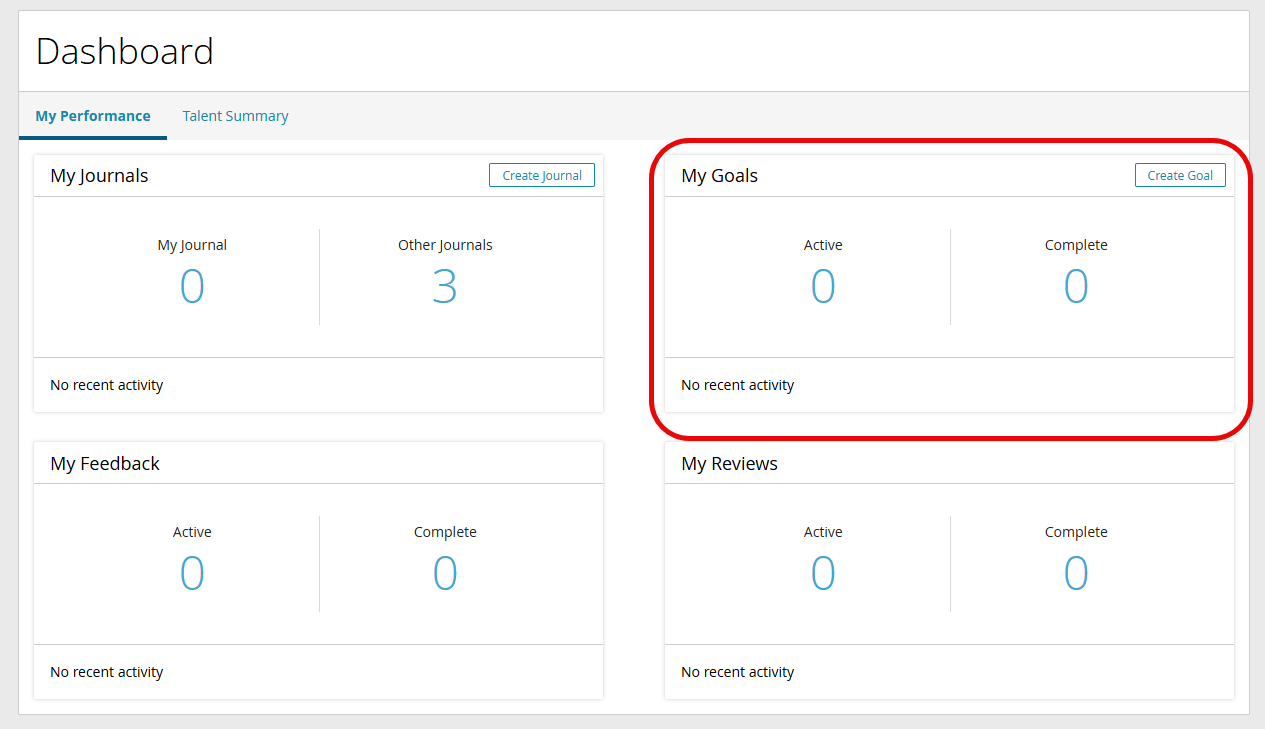
How to edit/manage Goals
ALL Goals are self-evaluated or self-measured. This means it's up to the staff member to determine their progress and completion. For example, if a clinician created a goal to "Become EMDR Trained" and then completed the 1st training course, they could update the Goal to be ~25% complete. Another example would be if the clinician created an individual goal to "Become a Couples Counselor Guru" and then has completed 3 training courses and read 4 books, they could update the progress to ~50% if that's where they 'feel' their are at in their journey to become a guru!
Learn how to create goals in Paylocity here: Performance - Manage Employee Goals or follow the steps below:
- Go to 'Performance' in the Paylocity menu.
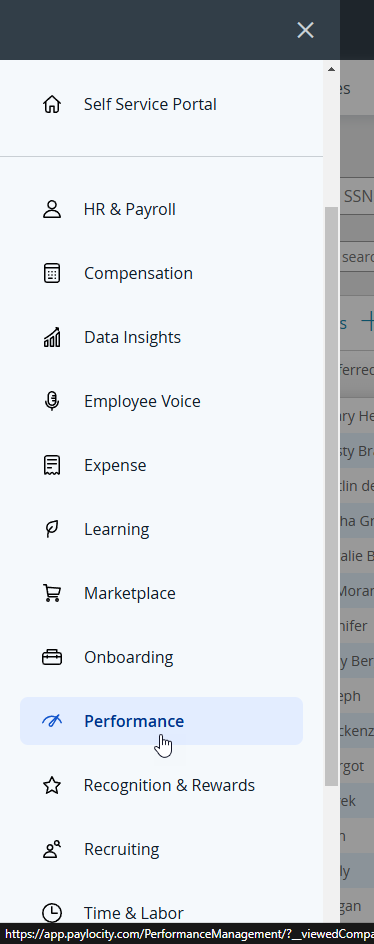
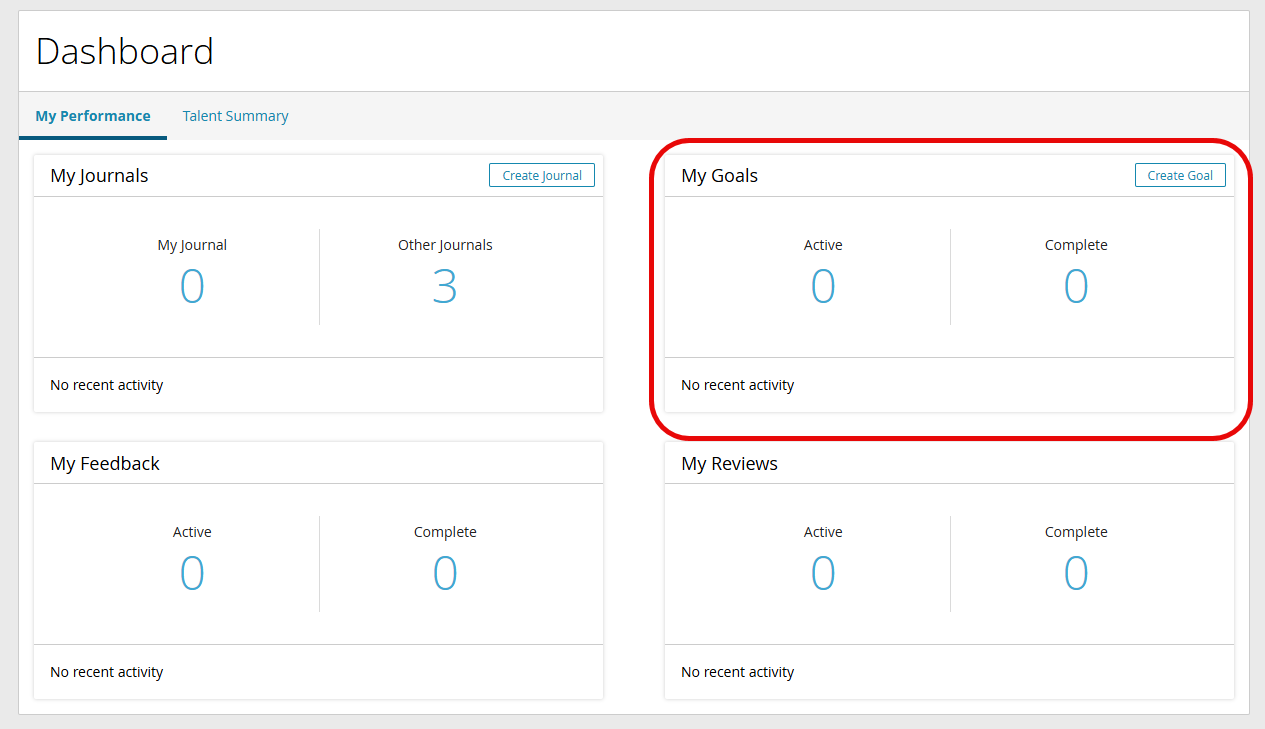
- Select a Goal from the Dashboard
- Click the Actions >> Edit button to update the progress when viewing the Goal.
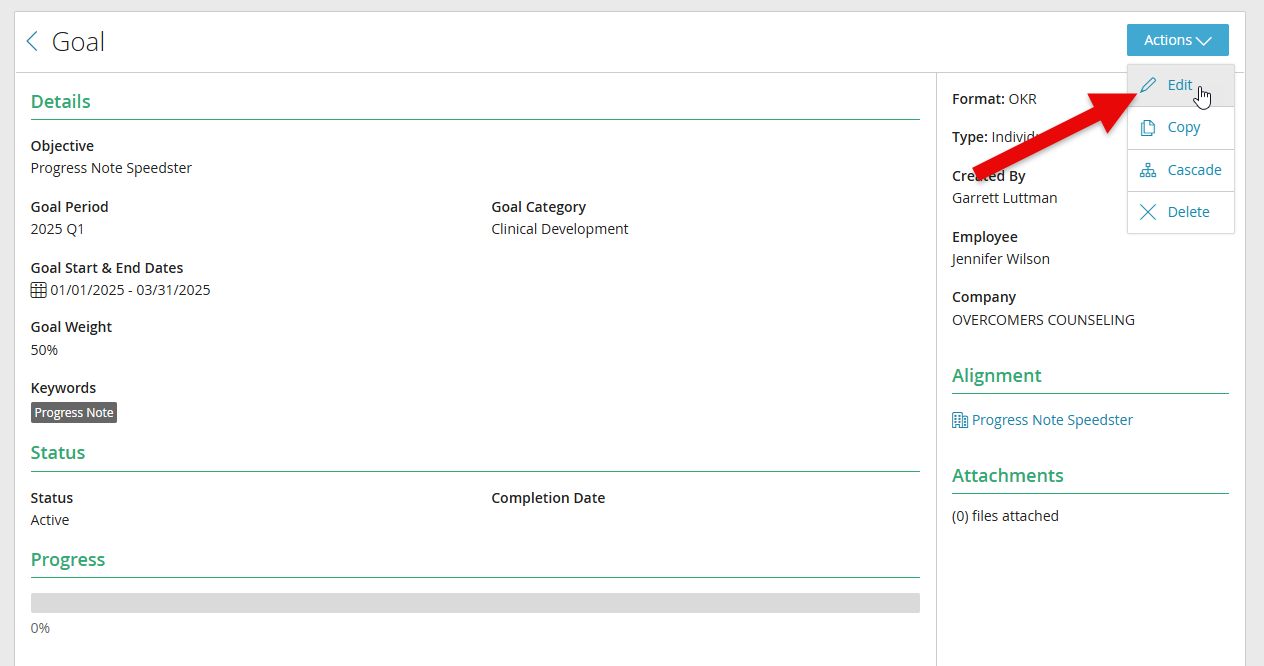
- Update the status or percent complete as desired.
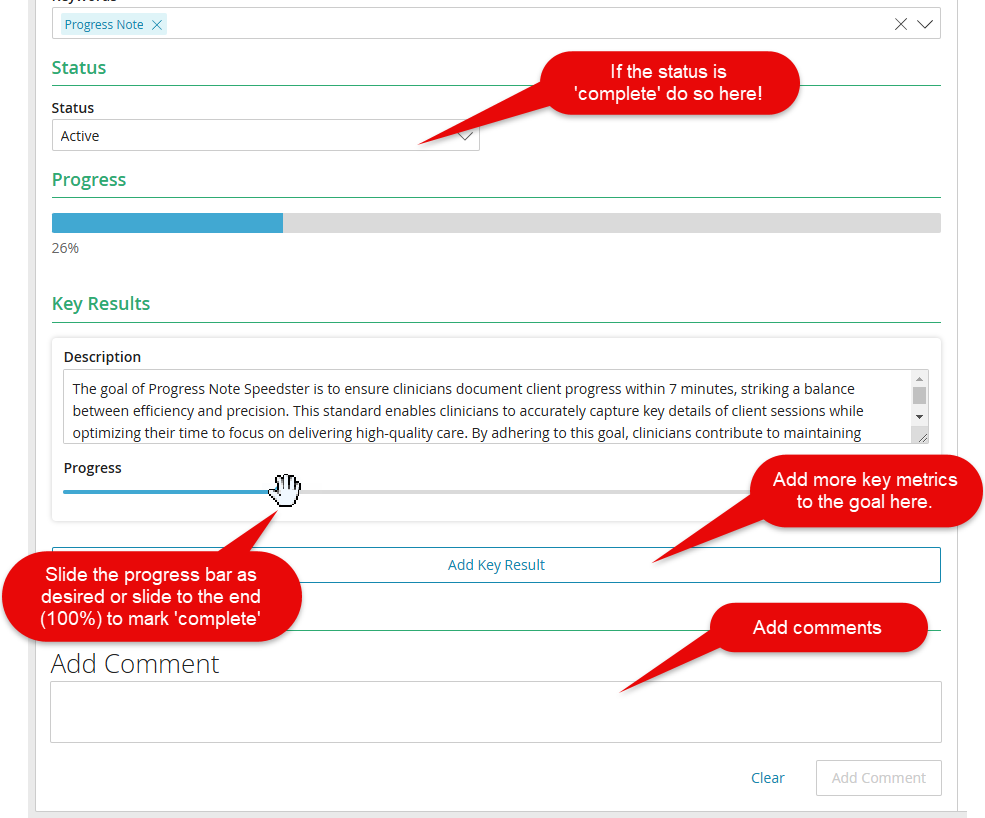
- Click Save!
Why Create Goals?
Setting individual goals is a fundamental aspect of personal and professional development. By clearly defining your objectives, you can create a structured path towards achieving them while also improving your overall productivity and satisfaction. Below are key considerations and steps for setting effective individual goals:
1. Understanding the Importance of Setting Goals
Setting goals provides several benefits:
- Direction and Focus: Goals give you a clear sense of direction and a target to aim for.
- Motivation: They serve as a source of motivation and help sustain momentum.
- Measurement of Progress: They allow you to measure progress and celebrate milestones.
- Decision-Making Framework: They help in prioritizing tasks and making informed decisions.
2. Types of Individual Goals
Individual goals can be categorized into various types:
- Personal Development Goals: Aimed at improving personal skills and knowledge (e.g., learning a new language, improving public speaking skills).
- Career Goals: Focused on advancing in your professional life (e.g., attaining a promotion, changing careers).
- Financial Goals: Related to monetary achievements (e.g., saving for retirement, paying off debt).
- Health and Wellness Goals: Targeting physical and mental well-being (e.g., exercising regularly, maintaining a balanced diet).
- Relationship Goals: Focused on enhancing personal relationships (e.g., spending more quality time with family, improving communication skills).
3. Setting SMART Goals
One of the most effective goal-setting techniques is the SMART framework. SMART goals are:
- Specific: Clearly define what you want to accomplish.
- Measurable: Ensure that the goal can be measured to track progress.
- Achievable: Set realistic goals that are attainable.
- Relevant: Align goals with your broader objectives and values.
- Time-bound: Set a deadline to create urgency.
Learn more about Goal Formats in Paylocity here.
4. Steps to Achieve Individual Goals
To successfully achieve your individual goals, consider the following steps:
- Identify Your Priorities: Determine which areas of your life need attention and align with your values.
- Write Down Your Goals: Documenting your goals helps solidify your commitment.
- Break Down Goals into Actionable Steps: Divide larger goals into smaller, manageable tasks.
- Monitor Your Progress: Regularly review your progress and adjust your approach if necessary.
- Stay Accountable: Share your goals with others or use tools to track and hold yourself accountable.
- Celebrate Success: Acknowledge and reward yourself for milestones and achievements.
5. Overcoming Common Challenges
When setting and pursuing individual goals, you may encounter challenges such as:
- Lack of Motivation: Stay motivated by visualizing the end result and reminding yourself of the benefits.
- Procrastination: Use time management techniques and set deadlines to overcome procrastination.
- External Distractions: Minimize distractions by creating a conducive environment and eliminating interruptions.
Individual goals serve as powerful tools for guiding personal and professional growth. By understanding their significance, utilizing the SMART framework, and following structured steps, you can effectively set and achieve goals, leading to greater satisfaction and success in life. Would you like further assistance with goal-setting strategies, or do you have specific goals in mind that you'd like to explore?
Goal Formats
- SMART (Specific, Measurable, Attainable, Relevant, and Timely) / MBO (Management by Objectives) Company or Group/Individual Goals.
- OKR (Objectives and Key Results) Company or Group/Individual Goals..
SMART Goals
- Focus: Individual tasks or projects. More commonly used for personal or individual team goals.
- Structure: A simple acronym to help you remember key characteristics of a good goal.
- Specific: Clearly defined and focused. ("Increase sales" is not specific, "Increase sales of product X by 15%" is.)
- Measurable: Quantifiable to track progress. (How will you know you've increased sales?)
- Attainable: Realistic and achievable.
- Relevant: Aligned with broader goals and priorities.
- Time-bound: Has a deadline.
OKR Goals
- Focus: Ambitious, overarching goals, often for an entire company or department.
- Structure: A two-part framework.
- Objectives: Where you want to go (qualitative). These are ambitious and often "stretch" goals. (e.g., "Become the market leader in innovation")
- Key Results: How you'll get there (quantitative). These are measurable milestones that demonstrate progress towards the Objective. (e.g., "Launch 3 new products this year", "Increase customer satisfaction by 20%")
Here's an analogy
Imagine you're climbing a mountain.
- SMART goals are like the individual steps and checkpoints along the way. ("Reach basecamp by Tuesday", "Hike 5 miles today").
- OKRs are about the summit itself and the major milestones that mark your progress ("Reach the top of Mount Everest", "Establish 3 camps along the route").
FAQs on Goals
Do I have to create goals?
- No. Are they a good way of tracking and self-measuring your professional development ...Yes!
If I don't hit a goal, am I fired or reprimanded...??
- No. Goals are a way for you to track your progress in whatever sort of achievement you want to pursue.
What tools or variables is Admin using to measure the progress/completion of a goal??
- None. Goals are self-measured and self-evaluated by the staff member. If you feel you have completed a goal, mark it complete!
If goals are self-measured and don't affect my pay, and there are no repercussions ... then what's the point!!??
- If we "knew" that 20 of the 100 clinicians are working towards EMDR certification, then as an effort to support our clinicians (which is one of Jenny and I's core beliefs) could there be support for admin level on this down the road -- maybe. If we knew that 50% of staff are pursuing couples expertise, would that let us know about some marketing changes or services we should prepare for -- definitely.If we see a clinician setting a goal of 100 sessions/month but struggling to make progress on that goal, would this send a trigger to me that they need help in that area - you betcha!
I've hit the company goals already; what should I do?
- Mark them complete! - Good job!
The company goals are too difficult??
- The company goals are set as a lofty pursuit and may not be obtainable for years. If the goal is to write an intake note in 15 minutes, and you feel that you pretty much do that 75% of the time and the other 25% of the time because the cases are really tough, mark the goal complete. However, if you spend an hour on each Intake note, then maybe additional support may be needed because we don't want to see anyone spending that much time writing notes!